Pest Control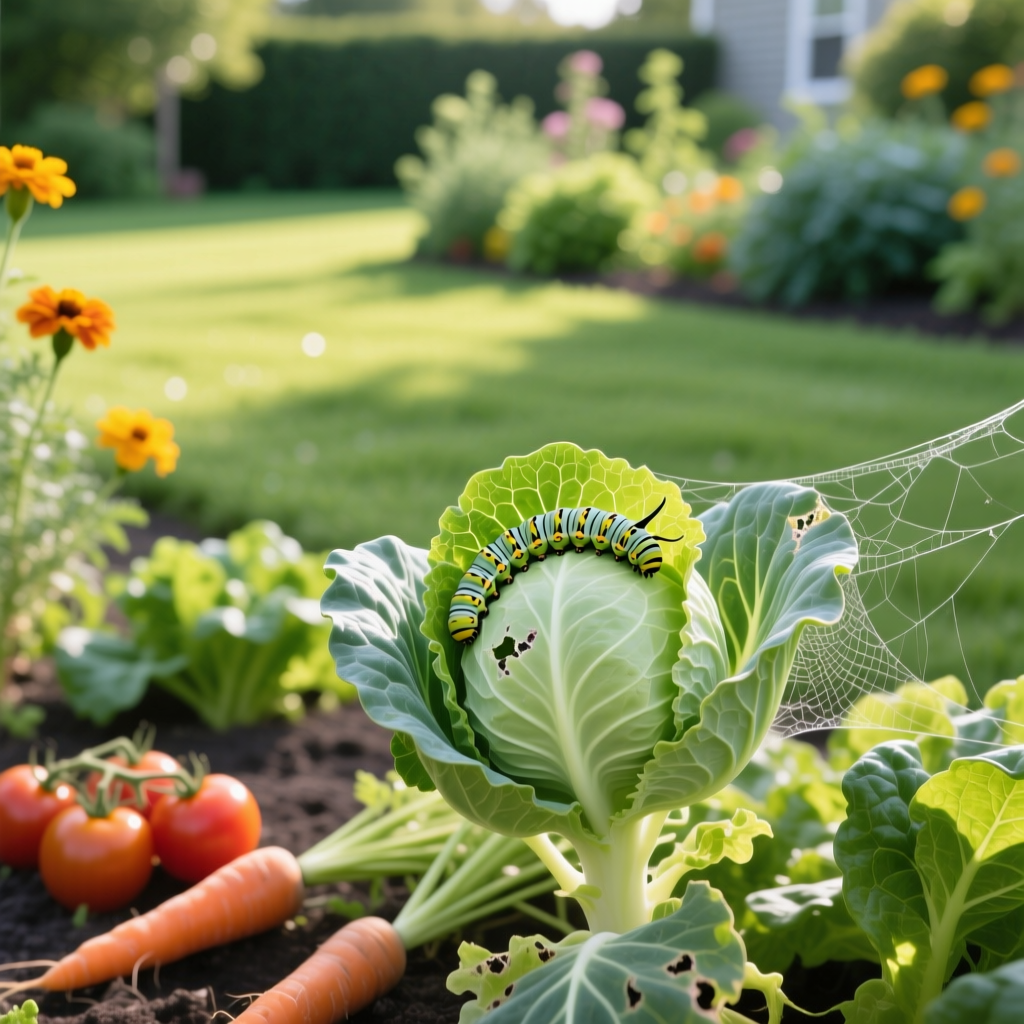
DIY Cabbage Looper Control for Home Vegetable Gardens
Emily WatsonPublished
Cabbage loopers are one of the most destructive pests that home vegetable gardeners face each growing season. These pale green caterpillars, known scientifically as Trichoplusia ni, can devastate an entire crop of leafy greens, brassicas, and other garden favorites in a matter of days if left unchecked. Despite their relatively small size, cabbage loopers are voracious eaters, and their populations can multiply rapidly, turning a thriving vegetable garden into a skeleton of chewed leaves and stunted growth.
The good news is that you do not need expensive chemicals or professional extermination services to manage cabbage loopers effectively. With a solid understanding of their lifecycle, a few preventive strategies, and some tried-and-true DIY control methods, you can protect your garden and keep these pests at bay throughout the season. This comprehensive guide walks you through everything you need to know about identifying, preventing, and eliminating cabbage loopers using practical, affordable, and environmentally responsible techniques.
Whether you are a first-time gardener or a seasoned green thumb looking for better pest management strategies, this article provides actionable advice you can implement immediately. For broader guidance on maintaining a healthy outdoor space, explore our lawn care guides and learn how integrated garden management can reduce pest pressure across your entire property.
How to Identify Cabbage Loopers in Your Garden
Before you can control cabbage loopers, you need to confirm that they are the culprit behind the damage in your garden. Accurate identification is the first and most critical step in any pest management plan, because treating for the wrong pest wastes time, money, and effort while allowing the real problem to worsen.
What Cabbage Loopers Look Like
Cabbage loopers are the larval stage of a mottled gray-brown moth. The caterpillars themselves are pale green with thin white stripes running along their sides and back. They typically grow to about one to one-and-a-half inches in length before pupating. Their most distinctive feature is their movement: unlike other caterpillars that have multiple pairs of prolegs along their abdomen, cabbage loopers have only two pairs of prolegs near the rear of their body and three pairs of true legs near the head. This arrangement forces them to move in a characteristic inching or "looping" motion, arching their back as they crawl — hence the name "looper."
The adult moths are less conspicuous. They are medium-sized, with wingspans of roughly one to one-and-a-half inches, and display a mottled brown-gray pattern with a small silvery figure-eight or Y-shaped marking on each forewing. These moths are primarily nocturnal, so you are more likely to spot the caterpillars during daylight hours than the adults.
Signs of Cabbage Looper Damage
Cabbage loopers feed on the undersides of leaves, and their damage is distinctive. Young larvae skeletonize leaves by eating the tissue between the veins, leaving behind a lace-like pattern of veins and leaf surface. As the caterpillars grow larger, they chew irregular holes through the leaves entirely, and heavy infestations can reduce plants to bare stems. You may also notice dark green or brownish-black droppings, called frass, scattered on leaves and around the base of affected plants.
Cabbage loopers are not particularly selective. While they favor plants in the brassica family — including cabbage, broccoli, cauliflower, kale, Brussels sprouts, and collard greens — they will also feed on lettuce, spinach, tomatoes, cucumbers, potatoes, and a variety of other garden crops. If you see looping caterpillars and chewed leaves on any of these plants, you are almost certainly dealing with cabbage loopers.
Distinguishing Cabbage Loopers from Similar Pests
Several other caterpillars attack similar garden plants, and confusing them can lead to ineffective treatment. Imported cabbageworms (Pieris rapae) are velvety green and move in a more conventional caterpillar fashion without the looping motion. Diamondback moth larvae (Plutella xylostella) are smaller, lighter green, and tend to wriggle vigorously or drop from leaves on silken threads when disturbed. Armyworms are darker, often brown or black with striping, and tend to feed in larger groups. Correctly identifying the pest ensures you choose the most effective DIY control method.
For more information on identifying common garden and lawn pests, visit our pest control resource center, where you will find guides on a wide range of insects that affect home landscapes.
Prevention Strategies to Keep Cabbage Loopers Away
The most effective pest management always begins with prevention. By making your garden less attractive and accessible to cabbage loopers, you can significantly reduce the likelihood of a serious infestation developing in the first place. Prevention is especially important because cabbage loopers can produce multiple generations in a single growing season, meaning that a small early-season problem can snowball into a major outbreak by midsummer.
Use Floating Row Covers
Floating row covers are one of the single most effective preventive measures against cabbage loopers. These lightweight, breathable fabric barriers are placed over your crops and secured at the edges with soil, staples, or pins. The covers allow sunlight, rain, and air to reach your plants while physically blocking adult moths from landing and laying eggs on your vegetables. Install row covers immediately after planting or transplanting, and leave them in place until harvest for crops that do not require pollination, such as cabbage, kale, and broccoli. For crops that need pollinators, such as cucumbers and squash, remove the covers when plants begin to flower.
Practice Crop Rotation
Cabbage loopers and other brassica pests can overwinter in garden debris and soil. By rotating your crops — moving brassicas and other susceptible plants to a different section of the garden each season — you disrupt the lifecycle of pests that may be lingering in the soil from the previous year. Avoid planting susceptible crops in the same bed two seasons in a row. A three- to four-year rotation cycle is ideal for breaking pest and disease cycles.
Encourage Beneficial Insects
A healthy garden ecosystem includes natural predators that feed on cabbage loopers and their eggs. Parasitic wasps, such as Trichogramma species, lay their eggs inside looper eggs, preventing them from hatching. Ground beetles, spiders, and predatory bugs also consume loopers at various life stages. You can attract these beneficial insects by planting nectar-rich flowers like dill, cilantro, yarrow, alyssum, and cosmos near your vegetable beds. Avoid broad-spectrum insecticides, which kill beneficial insects alongside the pests you are trying to eliminate.
Maintain Garden Hygiene
Remove plant debris, weeds, and spent crops promptly at the end of each growing season. Cabbage looper pupae can survive in leftover plant material, and adult moths are attracted to weedy, overgrown areas. Keep the garden beds clean, cultivate the soil lightly in fall and early spring to expose and destroy overwintering pupae, and remove any volunteer brassica plants that sprout between seasons. A tidy garden is far less inviting to a wide range of pests. For additional tips on maintaining a healthy landscape that resists pests, check out our lawn maintenance guide, which covers seasonal cleanup strategies that benefit your entire yard.
Choose Resistant Varieties
While no vegetable variety is completely immune to cabbage looper damage, some cultivars show greater tolerance or resistance. Red cabbage, for instance, tends to suffer less damage than green cabbage varieties, likely because the pigments and leaf texture are less appealing to the larvae. Research seed catalogs and extension service recommendations for varieties that perform well in your region and show better pest tolerance.
DIY Solutions for Eliminating Cabbage Loopers
If prevention alone has not kept cabbage loopers out of your garden, or if an infestation has already taken hold, there are several highly effective DIY control methods you can deploy. These solutions range from simple hand-picking to homemade sprays and biological controls, and they are all safe to use in home vegetable gardens when applied correctly.
Hand-Picking
For small gardens or light infestations, hand-picking is the simplest and most immediate control method. Inspect your plants thoroughly at least every two to three days, paying close attention to the undersides of leaves where loopers feed and where moths lay their eggs. Cabbage looper eggs are small, dome-shaped, and pale green or white, usually laid singly rather than in clusters. Pick off any caterpillars and eggs you find and drop them into a container of soapy water to kill them. This method is labor-intensive but remarkably effective when done consistently, and it costs nothing.
Bacillus thuringiensis (Bt) Spray
Bacillus thuringiensis, commonly known as Bt, is a naturally occurring soil bacterium that is one of the most powerful biological controls available to home gardeners. When cabbage loopers ingest Bt-treated foliage, the bacterium produces proteins that disrupt their digestive system, causing them to stop feeding within hours and die within one to three days. Bt is highly specific to caterpillars and is harmless to humans, pets, beneficial insects, and wildlife when used as directed.
You can purchase Bt in liquid concentrate or powdered form at most garden centers. Mix it according to the label instructions and spray it thoroughly on all leaf surfaces, especially the undersides. Apply Bt in the late afternoon or early evening to minimize UV degradation, and reapply after rain or overhead irrigation. For best results, target younger larvae, which are more susceptible than fully grown caterpillars. Bt is an excellent option for organic gardeners and is approved for use in certified organic production.
Neem Oil Spray
Neem oil is a botanical insecticide extracted from the seeds of the neem tree (Azadirachta indica). It works as an antifeedant, growth regulator, and mild contact insecticide. When sprayed on infested plants, neem oil discourages cabbage loopers from feeding, disrupts their hormonal systems, and can suffocate eggs and small larvae on contact. Mix one to two tablespoons of cold-pressed neem oil with one gallon of water and a few drops of mild liquid soap as an emulsifier. Spray the solution on all plant surfaces, and reapply every seven to ten days or after rainfall.
Neem oil is safe for most beneficial insects when applied in the evening, since it primarily affects insects that chew on treated foliage. However, avoid spraying when bees are actively foraging, and do not apply during the hottest part of the day to prevent leaf burn.
Homemade Garlic and Hot Pepper Spray
For gardeners who prefer to use only kitchen-sourced ingredients, a homemade garlic and hot pepper spray can serve as a deterrent against cabbage loopers. Blend two to three bulbs of garlic and two to three hot peppers (such as habanero or cayenne) with two cups of water. Strain the mixture through cheesecloth, add the strained liquid to one gallon of water, and stir in a teaspoon of mild liquid soap. Spray the solution on affected plants, coating the undersides of leaves thoroughly. The strong odor and capsaicin in the peppers discourage feeding, though this method is generally less effective than Bt or neem oil and requires more frequent reapplication.
Diatomaceous Earth
Food-grade diatomaceous earth (DE) is a fine powder made from the fossilized remains of microscopic aquatic organisms called diatoms. When sprinkled on and around plants, DE acts as a physical barrier that damages the soft bodies of crawling insects, including cabbage loopers. Apply a light dusting of DE to the leaves and the soil around the base of your plants. The powder must remain dry to be effective, so reapply after rain or watering. Wear a dust mask when applying DE to avoid inhaling the fine particles, and use food-grade DE rather than the type sold for pool filters, which is chemically treated and unsafe for garden use.
Spinosad
Spinosad is a natural insecticide derived from the soil bacterium Saccharopolyspora spinosa. It is effective against cabbage loopers and a wide range of other caterpillar pests. Spinosad works both on contact and through ingestion, causing paralysis and death in target insects within one to two days. It is approved for use in organic gardening and is available in ready-to-use spray bottles and concentrates. Apply spinosad in the evening to minimize risk to pollinators, as it can be toxic to bees when wet but becomes safe once it dries. Limit applications to no more than six times per season to prevent pest resistance from developing.
If you are managing a larger property and want to integrate vegetable garden pest control with your overall landscape care strategy, our gardening tips section offers advice on creating a cohesive outdoor maintenance plan that keeps every area of your yard healthy and pest-resistant.
When to Call a Professional for Cabbage Looper Control
Most home garden infestations of cabbage loopers can be managed successfully with the DIY methods described above. However, there are certain situations where enlisting professional pest control services may be the most practical and effective course of action.
Severe or Recurring Infestations
If you have tried multiple control methods over several weeks and the cabbage looper population continues to grow, or if you face severe infestations season after season despite your best preventive efforts, a professional pest management company can offer more targeted solutions. Professionals have access to a broader range of biological and reduced-risk chemical products, and they can develop a customized integrated pest management (IPM) plan tailored to your specific garden, climate, and pest pressure.
Large-Scale Gardens or Small Farms
Home gardeners with very large vegetable plots, multiple growing areas, or small-scale commercial operations may find that the time and labor required for hand-picking and frequent spraying become impractical. Professional services can treat larger areas more efficiently and may offer ongoing monitoring and treatment schedules that keep pest populations consistently low throughout the growing season.
Multiple Pest Problems
Cabbage loopers rarely appear alone. Gardens plagued by loopers often have concurrent problems with aphids, flea beetles, cutworms, or other pests. If you are dealing with several pest species simultaneously, a professional can assess the full scope of the problem and implement a comprehensive treatment strategy that addresses all of the issues at once, rather than forcing you to juggle multiple DIY remedies with potentially conflicting application schedules.
For help identifying and managing other common pests that may be affecting your lawn and garden, browse our pest control guides for detailed articles on a wide variety of insects and the damage they cause. Maintaining a healthy lawn can also reduce overall pest habitat near your garden beds — learn more in our lawn treatments overview.
Frequently Asked Questions About Cabbage Looper Control
What plants do cabbage loopers eat?
Cabbage loopers primarily target plants in the brassica family, including cabbage, broccoli, cauliflower, kale, Brussels sprouts, collard greens, turnips, and mustard greens. However, they are opportunistic feeders and will also attack lettuce, spinach, tomatoes, cucumbers, potatoes, peas, and various ornamental plants. Any garden plant with broad, tender leaves is potentially at risk, though brassicas remain their preferred host. Planting trap crops, such as mustard or collards, at the perimeter of your garden can help lure loopers away from your main crops.
How many generations of cabbage loopers occur per season?
In most regions, cabbage loopers produce two to four generations per growing season, depending on climate and temperature. In warmer areas, they may produce even more. Each generation takes roughly three to four weeks to complete, from egg to adult moth. This rapid lifecycle means that populations can increase exponentially if left unmanaged. Early detection and consistent monitoring are essential to preventing a small first-generation population from exploding into a devastating midseason outbreak. Continue scouting your plants from early spring through late fall, as cabbage loopers can remain active well into autumn in many regions.
Is Bt safe for organic vegetable gardens?
Yes, Bacillus thuringiensis (Bt) is widely considered safe for use in organic vegetable gardens and is approved by most organic certification bodies, including the Organic Materials Review Institute (OMRI). Bt is a naturally occurring bacterium that specifically targets the digestive systems of caterpillars and has no harmful effects on humans, mammals, birds, fish, or most beneficial insects when used according to label directions. It breaks down quickly in sunlight and does not persist in the environment, making it one of the safest and most targeted biological pesticides available to home gardeners. Always look for products labeled as OMRI-listed if you are maintaining a certified organic garden.
Can cabbage loopers harm my lawn?
Cabbage loopers are primarily a garden and agricultural pest, and they do not typically feed on turfgrass species. However, adult moths may rest in lawns and nearby vegetation during the day, and the presence of a large looper population in your garden can indicate broader conditions that favor pest activity, such as excessive moisture or dense, unmanaged vegetation. Keeping your lawn well-maintained — properly mowed, aerated, and free of thatch — helps reduce overall pest habitat around your property. Visit our lawn mowing guide for tips on maintaining turf health that indirectly supports garden pest management.
How do I prevent cabbage loopers from coming back next season?
Long-term prevention of cabbage loopoper recurrence relies on a combination of cultural practices. Clean up all plant debris at the end of each growing season, and till or turn the soil in fall and early spring to expose and destroy overwintering pupae. Rotate your crops so that brassicas and other susceptible plants are not grown in the same bed in consecutive seasons. Install floating row covers early in the season to prevent moths from accessing your plants. Encourage populations of beneficial insects by planting diverse flowering plants throughout your garden. Finally, scout your plants regularly from the very beginning of the season so that you can catch and address any new infestations before they have a chance to build momentum. Consistent implementation of these strategies year after year will progressively reduce cabbage looper pressure in your garden.
Managing cabbage loopers does not have to be overwhelming or expensive. By combining vigilant monitoring, smart prevention techniques, and targeted DIY treatments like Bt, neem oil, and hand-picking, you can protect your vegetable garden from these destructive caterpillars while maintaining a safe, healthy growing environment for your family. The key is consistency: cabbage loopers reproduce quickly, so staying ahead of the problem is always easier than trying to recover from a full-blown infestation. Start implementing these strategies early in the season, and you will enjoy a bountiful harvest of healthy, undamaged vegetables all year long.