
Pest Control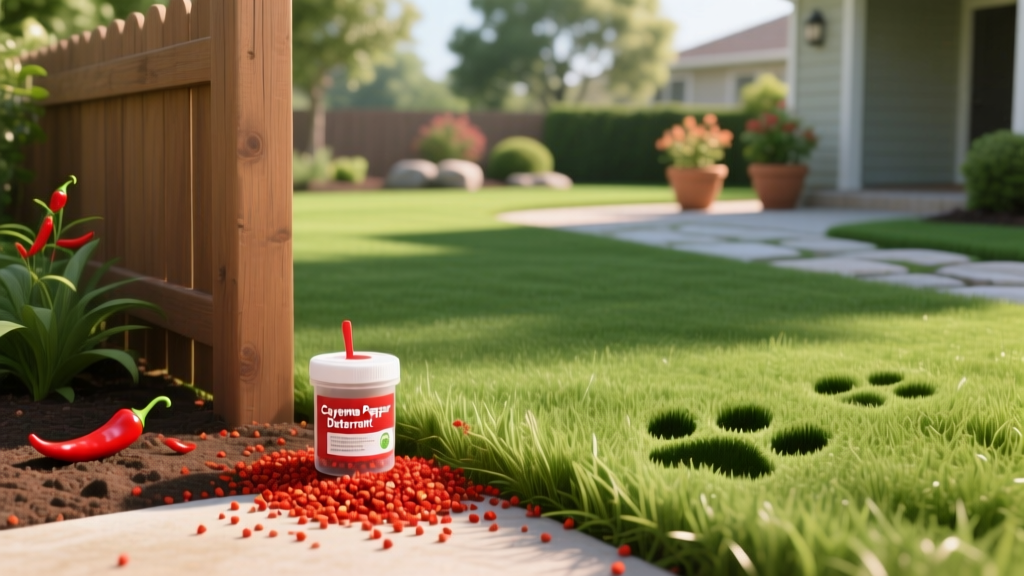
DIY Cayenne Pepper Dog Deterrent: Lawn Protection Playbook
The Science of Capsaicin as a Canine Repellent
Dogs rely heavily on their olfactory and trigeminal nerve systems to navigate and investigate their environment. When a dog sniffs a treated lawn, the active compound in cayenne pepper—capsaicin—binds to the TRPV1 receptors in their nasal cavity and mucous membranes. This triggers a mild, temporary burning sensation and an overwhelming peppery scent that dogs find highly aversive. Unlike chemical repellents that rely on synthetic putrescine (rotten egg smell) or predator urine, capsaicin is a natural alkaloid that conditions the dog to avoid the area without causing long-term physical harm or toxicity. According to the Humane Society of the United States, plant-based irritants like pepper are among the most effective and humane methods for keeping animals out of gardens and lawns.
The Master Recipe: DIY Cayenne Pepper Deterrent Spray
Many homeowners fail with DIY pepper sprays because they use the wrong surfactant or fail to properly extract the capsaicin oils. Follow this exact formulation to ensure maximum efficacy and plant safety.
Ingredients and Equipment
- 1 Tablespoon (approx. 6 grams) Cayenne Pepper Powder: Use a standard culinary grade (30,000 to 50,000 Scoville Heat Units). Avoid "hot" variants like ghost pepper, which are unnecessary and more expensive.
- 1 Quart (32 oz) Warm Water: Warm water (around 100°F) helps extract the fat-soluble capsaicin oils better than cold water.
- 1 Teaspoon Liquid Castile Soap: Use a pure, unscented castile soap like Dr. Bronner's. Do not use standard dish detergents (like Dawn), as their high sodium content and aggressive degreasing agents will strip the waxy cuticle off your grass blades and cause severe leaf burn.
- Equipment: 1-quart glass mason jar, #4 paper coffee filter, and a pump-action garden sprayer with an adjustable 2mm nozzle.
Step-by-Step Extraction Process
- Steep the Mixture: Combine the cayenne powder and warm water in the glass jar. Seal tightly and let it sit in a dark cabinet for 24 hours. Capsaicin degrades in UV light, so do not leave it in the sun.
- Add the Surfactant: After 24 hours, add the 1 teaspoon of liquid castile soap. Swirl gently to mix without creating excessive suds. The soap acts as a surfactant, breaking the surface tension of the water so the spray clings to grass blades and soil rather than beading up and rolling off.
- Filter the Solution: Pour the mixture through a paper coffee filter into your pump sprayer. This is a critical step. Unfiltered cayenne particles will inevitably clog standard spray nozzles, ruining your equipment and resulting in an uneven application.
⚠️ Warning: Grass Type Sensitivity
Cool-season grasses (Kentucky Bluegrass, Tall Fescue, Ryegrass) have thinner leaf cuticles and are highly sensitive to surfactants. Never exceed 1 teaspoon of castile soap per quart of water on these turf types. Warm-season grasses (Bermuda, Zoysia, St. Augustine) are more resilient and can tolerate slightly higher surfactant concentrations if needed for stubborn soil adhesion.
Application Playbook: Where, When, and How Often
Timing and placement dictate the success of your cayenne pepper dog deterrent. Applying the spray at the wrong time of day or under the wrong weather conditions will render the capsaicin useless.
| Application Zone | Target Behavior | Reapplication Trigger |
|---|---|---|
| Lawn Perimeter | Intrusion by neighborhood dogs | Every 5 days, or after 0.5 inches of rain |
| Garden Beds & Mulch | Digging and burying bones | Every 3 days (soil absorbs spray faster) |
| Specific Dig Holes | Hunting moles or grubs | Daily until the underlying pest issue is resolved |
| Urine Burn Spots | Repeat urination in same spot | After every watering cycle |
Pro-Tip on Timing: Always apply the spray at dusk. Capsaicin is highly susceptible to photodegradation. Spraying in the morning means the UV rays will break down the active alkaloids by mid-afternoon, leaving your lawn unprotected during the evening hours when dogs are most active.
Cayenne Pepper vs. Commercial Dog Repellents
Is it worth making your own, or should you buy a commercial product? We compared the cost, active ingredients, and efficacy of the DIY method against top-selling commercial repellents based on current market pricing.
| Product | Active Ingredients | Cost per 32 oz | Lawn Safety |
|---|---|---|---|
| DIY Cayenne Spray | Capsaicin, Castile Soap | $1.50 - $2.50 | Excellent (if strained) |
| Liquid Fence Dog & Cat | Putrescine (Egg Solids), Garlic | $14.99 | Good (smell lingers for humans) |
| Nature's Mace Dog | Capsaicin, White Pepper, Mint | $22.50 | Excellent |
| PredatorPee Wolf Urine | 100% Wolf Urine | $18.00 | Moderate (high nitrogen burn risk) |
Edge Cases and Troubleshooting
The Dog is Still Digging
If the dog continues to dig in a treated area, the motivation is likely overriding the sensory deterrent. Dogs digging for grubs, moles, or cicadas are in a high-prey-drive state. In this scenario, capsaicin alone will not work. You must combine the spray with a physical barrier. Bury 19-gauge galvanized hardware cloth (1/2 inch mesh) two inches below the soil surface in the affected zone, then apply the cayenne spray on top. The dog will encounter the pepper scent, and if they push through, their paws will hit the wire mesh, permanently extinguishing the digging behavior.
Rainfall and Irrigation Wash-Off
Capsaicin is an oil-based alkaloid, meaning it is hydrophobic. However, the surfactant (soap) used to carry it makes the initial spray water-soluble so it can coat the leaf. Once dried (usually 2 hours), it becomes somewhat water-resistant. Light morning dew will not wash it away. However, heavy irrigation or rainfall exceeding 0.5 inches will physically strip the capsaicin from the grass blades. You must reapply within 12 hours of a heavy rain event.
Addressing Dog Urine Burns
While cayenne pepper stops dogs from returning to a specific spot, it does not fix existing urine burns. According to University of Maryland Extension, dog urine damage is caused by high nitrogen concentration and soil salt buildup, not acidity. To remediate existing yellow spots, flush the area with 2 gallons of plain water to dilute the nitrogen, then overseed with a urine-tolerant grass variety like Perennial Ryegrass or Tall Fescue. Apply the cayenne deterrent only after the new seed has germinated and established roots (typically 3-4 weeks), as the soap surfactant can inhibit seed germination.
Frequently Asked Questions
Will cayenne pepper alter my soil's pH?
No. While peppers are slightly acidic, the concentration of 1 tablespoon per quart of water is vastly too dilute to impact soil pH. Your soil's buffer capacity will easily neutralize this trace amount. The real risk to soil health comes from using the wrong soap (like dish detergent), which introduces sodium that causes soil hydrophobicity.
Is it safe if my dog accidentally licks the treated grass?
Yes, it is safe but highly unpleasant for the dog. Capsaicin is not toxic to canines in these concentrations; it merely causes temporary oral irritation, drooling, and pawing at the mouth. This negative reinforcement is exactly what conditions the dog to avoid the lawn in the future. Ensure your dog has access to plenty of fresh drinking water if they lick a treated area.
Can I use hot sauce instead of cayenne powder?
It is not recommended. Most commercial hot sauces (like Tabasco or Frank's RedHot) contain high levels of distilled vinegar and sodium. Vinegar (acetic acid) is a non-selective contact herbicide that will instantly burn and kill your grass blades upon contact. Stick to pure, dry cayenne powder to protect your turf.
How long does the deterrent remain effective on the grass?
Under optimal conditions (no rain, low wind, applied at dusk), a single application of properly formulated cayenne spray will remain highly effective for 5 to 7 days. After a week, microbial activity in the soil and natural oxidation will break down the capsaicin compounds, requiring a fresh application.

