Pest Control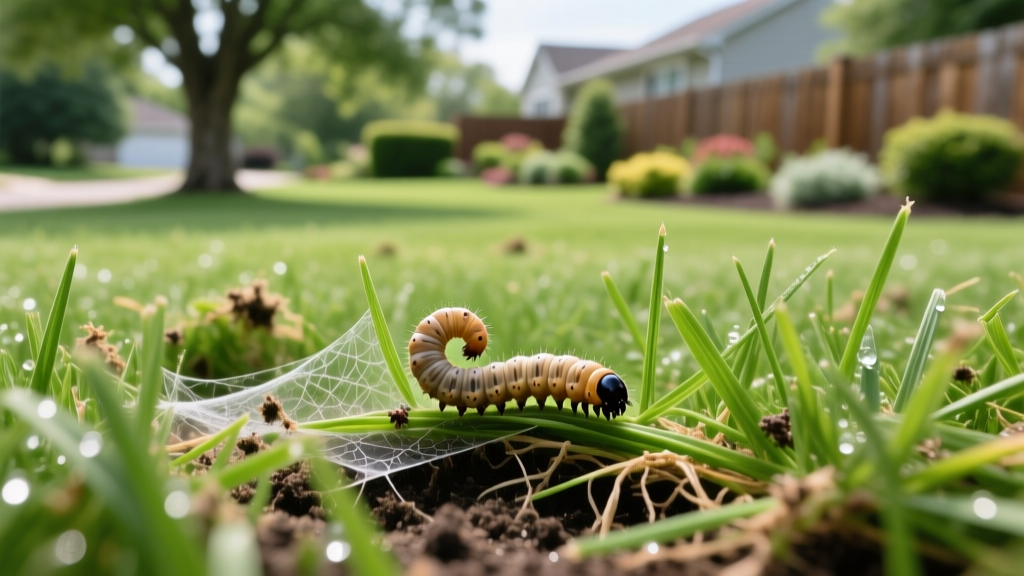
DIY Control for Sod Webworms in Cool-Season Fescue Lawns
Lisa ThompsonPublished
DIY Control for Sod Webworms in Cool-Season Fescue Lawns
Sod webworms are among the most destructive lawn pests that target cool-season fescue grasses. These small caterpillars — the larval stage of certain moths — feed voraciously on grass blades, leaving behind brown patches, thinning turf, and frustrated homeowners. If you have noticed irregular brown spots spreading across your fescue lawn, especially during warm summer months, sod webworms may be the culprit.
The good news is that you do not always need to hire an expensive exterminator to deal with a sod webworm infestation. With the right knowledge, a bit of diligence, and some readily available products, you can control these pests effectively on your own. This comprehensive guide walks you through everything you need to know about identifying, preventing, and eliminating sod webworms from your cool-season fescue lawn using do-it-yourself methods.
Before diving into treatment, it helps to understand the broader context of cool-season grass care so you can build a lawn that is naturally more resistant to pest damage.
How to Identify Sod Webworms in Your Fescue Lawn
Correct identification is the critical first step in any pest control strategy. Misdiagnosing the problem can lead to wasted time, money, and further damage to your lawn. Sod webworms have distinct characteristics and behaviors that set them apart from other common lawn pests such as grubs or chinch bugs.
What Are Sod Webworms?
Sod webworms are the larval (caterpillar) stage of lawn moths, primarily from the family Crambidae. The adult moths are small, tan or gray insects with a wingspan of roughly one inch. You might notice them fluttering over your lawn at dusk, which is often the first sign that an infestation may be developing. However, it is the caterpillars — not the moths — that cause damage to your turf.
The larvae are typically half an inch to one inch long, with slender bodies that range in color from greenish-gray to brown. They often have dark spots running along their backs and a distinctive dark head capsule. Sod webworm caterpillars construct small silk-lined tunnels in the thatch layer of your lawn, which is where they get their name. These silken webs are visible in the early morning when dew collects on them.
Signs of Sod Webworm Damage on Fescue
Fescue lawns damaged by sod webworms display several telltale symptoms:
- Irregular brown patches: Unlike disease-related browning, sod webworm damage appears as ragged, uneven patches that expand over time as larvae continue feeding.
- Chewed grass blades: Inspect individual grass blades closely. Sod webworms chew notches along the edges of blades or sever them entirely near the base. You will see ragged, torn edges rather than clean cuts.
- Silk tunnels in the thatch: Part the grass and look at the soil surface. Fine silk webbing in the thatch layer is a strong indicator of sod webworm activity.
- Frass (caterpillar droppings): Small, green-to-brown pellets scattered near the base of grass plants indicate active feeding.
- Increased bird activity: Birds, particularly starlings and robins, will probe your lawn aggressively when sod webworm populations are high. While birds help control the pests, their foraging can cause additional turf damage.
- Adult moths at dusk: Seeing small, tan moths zigzagging over your lawn in the evening strongly suggests that egg-laying is occurring.
The Soap Drench Test
If you suspect sod webworms but are not certain, the soap drench test is a reliable DIY confirmation method. Mix two tablespoons of liquid dish soap with one gallon of water. Pour the solution over a one-square-yard section of damaged lawn at the border between healthy and brown grass. Within five to ten minutes, the irritating soap solution will force any sod webworm larvae to the surface. If you see two or more larvae per square yard, treatment is warranted.
Accurate identification saves you from applying the wrong treatments. For a broader overview of turf-damaging insects, check out our common lawn pests identification guide.
Understanding the Sod Webworm Life Cycle & Why Timing Matters
Effective sod webworm control depends heavily on timing your interventions to coincide with the most vulnerable stage of the pest's life cycle. Treating at the wrong time can render even the best products ineffective.
Life Cycle Stages
Sod webworms go through four life stages: egg, larva, pupa, and adult moth. Understanding each stage helps you plan your control strategy.
- Egg stage: Adult female moths scatter eggs across your lawn while flying. Eggs hatch within one to two weeks, depending on temperature. During warm summer conditions, hatching can occur in as few as four days.
- Larval stage: This is the damaging stage. Newly hatched larvae begin feeding immediately on grass blades. Young larvae (first and second instars) feed near the surface and are most susceptible to control measures. As they grow through multiple instars over four to six weeks, they retreat into silk-lined burrows in the thatch and feed primarily at night.
- Pupal stage: Mature larvae pupate within their silk tunnels in the thatch layer. This stage lasts one to three weeks.
- Adult moth stage: Adult moths emerge, mate, and lay eggs, starting the cycle again. Multiple generations can occur in a single growing season, with the most severe damage typically happening in mid-to-late summer.
When to Treat
The optimal window for treatment is when larvae are young and actively feeding near the surface — typically late spring through mid-summer for the first generation, and late summer through early fall for subsequent generations. Targeting young larvae dramatically increases the effectiveness of both biological and chemical controls.
Monitor your lawn regularly during warm months. If you notice moth activity at dusk, begin inspecting for larvae approximately one to two weeks later. Early detection and treatment prevent populations from building to damaging levels. Maintaining a healthy lawn through proper fescue lawn maintenance also helps your turf recover more quickly from any feeding damage.
Prevention Strategies for Sod Webworms in Fescue Lawns
Prevention is always more effective and less costly than treatment. By creating conditions that are unfavorable to sod webworms and favorable to your fescue, you can significantly reduce the likelihood of severe infestations.
Maintain a Thick, Healthy Fescue Lawn
A dense, vigorously growing fescue lawn is your best defense against sod webworm damage. Healthy turf tolerates feeding pressure better and recovers faster. Key cultural practices include:
- Proper mowing height: Keep fescue at a mowing height of three to four inches. Taller grass shades the soil surface, making conditions less favorable for egg-laying moths and helping the lawn withstand feeding damage. Never remove more than one-third of the blade in a single mowing. Learn more about proper mowing techniques for cool-season grasses.
- Deep, infrequent watering: Water your fescue lawn deeply but infrequently to encourage deep root growth. Aim for one to one and a half inches of water per week, including rainfall. Overwatering creates lush, succulent growth that attracts egg-laying moths and promotes thatch buildup.
- Balanced fertilization: Apply fertilizer based on soil test results. Excessive nitrogen promotes rapid, tender growth that is more attractive to pests. A balanced fescue fertilization program builds strong, resilient turf.
- Overseeding: Overseed thin areas of your fescue lawn each fall to maintain density. Consider using endophyte-enhanced fescue seed varieties. Endophytes are beneficial fungi that live inside grass plants and produce compounds that deter feeding by sod webworms and other insects.
Manage Thatch Buildup
Sod webworm larvae live and pupate in the thatch layer. Excessive thatch (more than half an inch) provides ideal habitat for these pests and also reduces the effectiveness of treatments by preventing products from reaching the soil surface. Dethatch your fescue lawn when thatch exceeds half an inch, typically in early fall for cool-season grasses. Core aeration also helps reduce thatch and improve soil conditions.
Encourage Natural Predators
Your lawn already has natural allies in the fight against sod webworms. Ground beetles, ants, spiders, parasitic wasps, and birds all prey on sod webworm larvae and eggs. Avoid broad-spectrum insecticides that kill these beneficial organisms. Maintaining habitat diversity around your lawn — such as flowering plants that attract predatory wasps — supports natural pest suppression.
DIY Treatment Methods for Sod Webworm Control
When prevention is not enough and the soap drench test confirms an active infestation, it is time to take action. The following DIY treatment methods range from biological controls to targeted chemical applications. Always start with the least toxic option and escalate only if necessary.
Biological Control: Bacillus thuringiensis (Bt)
Bacillus thuringiensis var. kurstaki (Bt-k) is a naturally occurring soil bacterium that is highly effective against sod webworm larvae and safe for humans, pets, and beneficial insects. Bt works by producing proteins that disrupt the digestive system of caterpillars when ingested. It is most effective against young larvae (early instars).
How to apply Bt:
- Purchase a Bt-k product labeled for sod webworm control (available as a liquid concentrate or dust at most garden centers).
- Apply in the late afternoon or early evening when larvae are beginning to feed. Bt degrades rapidly in sunlight, so evening application maximizes effectiveness.
- Spray the product evenly over affected areas, ensuring thorough coverage of grass blades where larvae feed.
- Do not water the lawn for at least 24 hours after application to allow larvae to ingest the treated foliage.
- Repeat applications every five to seven days if larval activity continues, as Bt has no residual effect.
Biological Control: Beneficial Nematodes
Beneficial nematodes, particularly Steinernema carpocapsae, are microscopic worms that seek out and kill sod webworm larvae in the thatch and upper soil layer. They enter the larvae through natural body openings, release bacteria that kill the host within 48 hours, and then reproduce inside the dead larva to continue the cycle.
How to apply nematodes:
- Purchase live nematodes from a reputable supplier. They are typically sold in sponge or gel formulations that you mix with water.
- Apply nematodes in the early morning or evening when soil temperatures are between 55°F and 85°F. Soil must be moist at the time of application and for two weeks afterward.
- Use a hose-end sprayer or watering can to apply the nematode solution evenly over affected lawn areas.
- Water the lawn lightly before and after application to help nematodes move into the thatch layer.
- One application can provide season-long control as nematodes reproduce and spread through the soil.
Botanical Insecticides: Neem Oil
Neem oil, derived from the neem tree (Azadirachta indica), acts as an antifeedant, growth regulator, and mild insecticide against sod webworm larvae. It disrupts the hormonal systems of insects, preventing them from molting and feeding normally.
How to apply neem oil:
- Mix cold-pressed neem oil according to label directions — typically one to two tablespoons per gallon of water with a small amount of mild liquid soap as an emulsifier.
- Spray affected areas thoroughly in the evening, coating grass blades where larvae feed.
- Reapply every seven to ten days or after heavy rainfall until the infestation is controlled.
- Neem oil is relatively safe for beneficial insects when applied in the evening, as it breaks down quickly and primarily affects insects that ingest treated foliage.
Chemical Insecticides for Severe Infestations
When biological controls are insufficient or when you face a severe, rapidly spreading infestation, targeted chemical insecticides may be necessary. Choose products specifically labeled for sod webworm control on lawns and follow all label instructions precisely.
Effective active ingredients for sod webworm control include:
- Bifenthrin: A pyrethroid insecticide that provides rapid knockdown and residual control. Apply as a liquid spray to affected areas.
- Carbaryl: Available in granular and liquid formulations, carbaryl is effective against larvae in the thatch layer.
- Spinosad: Derived from a soil bacterium, spinosad is considered a reduced-risk pesticide that is effective against caterpillars while being relatively safe for beneficial insects once dry.
- Chlorantraniliprole: A newer chemistry that provides excellent caterpillar control with low toxicity to non-target organisms. It can be applied preventively or as a curative treatment.
Application tips for chemical insecticides:
- Mow your lawn before application to ensure the product reaches the thatch layer where larvae reside.
- Apply in the late afternoon or evening when larvae are most active.
- Water the lawn lightly after application of granular products to move the insecticide into the thatch zone.
- Avoid treating the entire lawn if damage is localized. Spot treatments reduce chemical use and protect beneficial insect populations.
- Keep children and pets off treated areas until the product has dried or been watered in according to label directions.
Cultural Controls During Active Infestations
While treating an active infestation, support your lawn's recovery with proper cultural practices. Maintain consistent watering to help stressed turf recover. Avoid heavy nitrogen fertilization during an active infestation, as this can stimulate tender new growth that attracts more egg-laying moths. Once larvae are controlled, a light application of balanced fertilizer can help the fescue fill in damaged areas.
When to Call a Professional for Sod Webworm Control
While many sod webworm infestations can be managed with DIY methods, there are situations where professional intervention is the smarter choice. Recognizing these situations saves you time, money, and frustration.
Signs You Need Professional Help
- Recurring annual infestations: If sod webworms return year after year despite your best DIY efforts, a professional can develop a comprehensive, long-term management plan that addresses underlying conditions.
- Extensive lawn damage: When more than 30 percent of your lawn is affected, the scale of treatment may exceed what is practical for a homeowner. Professionals have access to commercial-grade equipment and products that cover large areas efficiently.
- Failed DIY treatments: If you have applied appropriate products at the correct timing and still see active damage, the infestation may involve a species or population that requires specialized products or application techniques.
- Uncertain identification: If the soap drench test does not reveal larvae but damage continues, you may be dealing with a different pest or a lawn disease. A professional can provide accurate diagnosis. Our lawn disease identification guide can also help you rule out other causes.
- Desire for preventive programs: Professional lawn care services can apply preventive treatments at optimal times throughout the growing season, eliminating the guesswork and ensuring consistent protection.
What to Expect from Professional Treatment
A reputable lawn care professional will typically begin with a thorough inspection to confirm the pest and assess the extent of damage. They will then recommend a treatment plan that may include a combination of curative insecticide applications, preventive treatments for future generations, and cultural recommendations to strengthen your fescue lawn. Many professionals use products containing chlorantraniliprole or other advanced chemistries that provide extended residual control with minimal environmental impact.
When selecting a professional, look for licensed applicators with experience in cool-season turf management. Ask about the products they use, their approach to integrated pest management, and whether they offer guarantees on their work. Combining professional treatment with the preventive cultural practices outlined in this guide provides the most robust, long-term protection for your fescue lawn.
Frequently Asked Questions About Sod Webworms in Fescue Lawns
Will my fescue lawn recover after sod webworm damage?
Yes, in most cases, fescue lawns recover well from sod webworm damage once the larvae are controlled. Fescue is a resilient cool-season grass that can regenerate from its crown and root system even when top growth has been heavily grazed. To speed recovery, keep the lawn well-watered, apply a balanced fertilizer after treatment, and overseed bare patches in the fall. If the root system and crown remain intact — which is usually the case with sod webworm damage since these pests feed primarily on blades rather than roots — you should see new growth within two to three weeks under favorable growing conditions.
Do sod webworms kill fescue grass completely?
Sod webworms rarely kill established fescue lawns outright because they feed on grass blades rather than roots and crowns. However, severe, untreated infestations can weaken turf enough to make it vulnerable to secondary problems such as drought stress, disease, and weed invasion. Newly seeded or recently sodded lawns are more vulnerable because young fescue plants have less established root systems. In these cases, heavy sod webworm feeding can kill young plants before they become established. Prompt detection and treatment are essential to prevent long-term damage, particularly in new lawns.
How can I tell the difference between sod webworm damage and drought stress?
Both sod webworm damage and drought stress cause brown patches in fescue lawns, but there are key differences. Drought-stressed turf typically shows uniform wilting and a bluish-gray cast before turning brown, and the damage often appears in areas that receive the most sun or have poor soil moisture retention. The grass blades remain intact but curled or folded. In contrast, sod webworm damage features irregular patches with visibly chewed or notched grass blades. The soap drench test is the definitive way to distinguish between the two: if larvae emerge, you have sod webworms. If no larvae appear and the soil is dry several inches deep, drought stress is the likely cause. Learn more about recognizing lawn water stress.
Are sod webworms the same as armyworms?
No, sod webworms and armyworms are different pests, although both are caterpillars that feed on grass. Sod webworms are smaller (up to one inch long), build silk tunnels in the thatch, and tend to cause localized, patchy damage. Armyworms are larger (up to one and a half inches), do not build silk tunnels, and tend to move in large groups — like an army — consuming everything in their path and causing widespread, rapid defoliation. Armyworms also have distinctive inverted Y-shaped markings on their heads. Treatment approaches are similar, but armyworm infestations often require more aggressive intervention due to their rapid, large-scale feeding behavior. For more information, see our guide on armyworm identification and control.
Can I prevent sod webworms by attracting more birds to my yard?
Birds are natural predators of sod webworm larvae and adult moths, and encouraging bird activity in your yard can contribute to pest suppression. Species such as starlings, robins, grackles, and sparrows actively forage for sod webworms in lawns. You can attract these birds by providing water sources, nesting habitat, and avoiding broad-spectrum pesticides that reduce the insect populations birds rely on for food. However, birds alone are unlikely to control a severe infestation. They are best viewed as one component of an integrated pest management strategy that also includes proper lawn care, biological controls, and targeted treatments when necessary. Be aware that heavy bird foraging can cause minor turf damage as birds probe the lawn for larvae, but this damage is superficial and short-lived compared to the destruction caused by unchecked sod webworm populations.