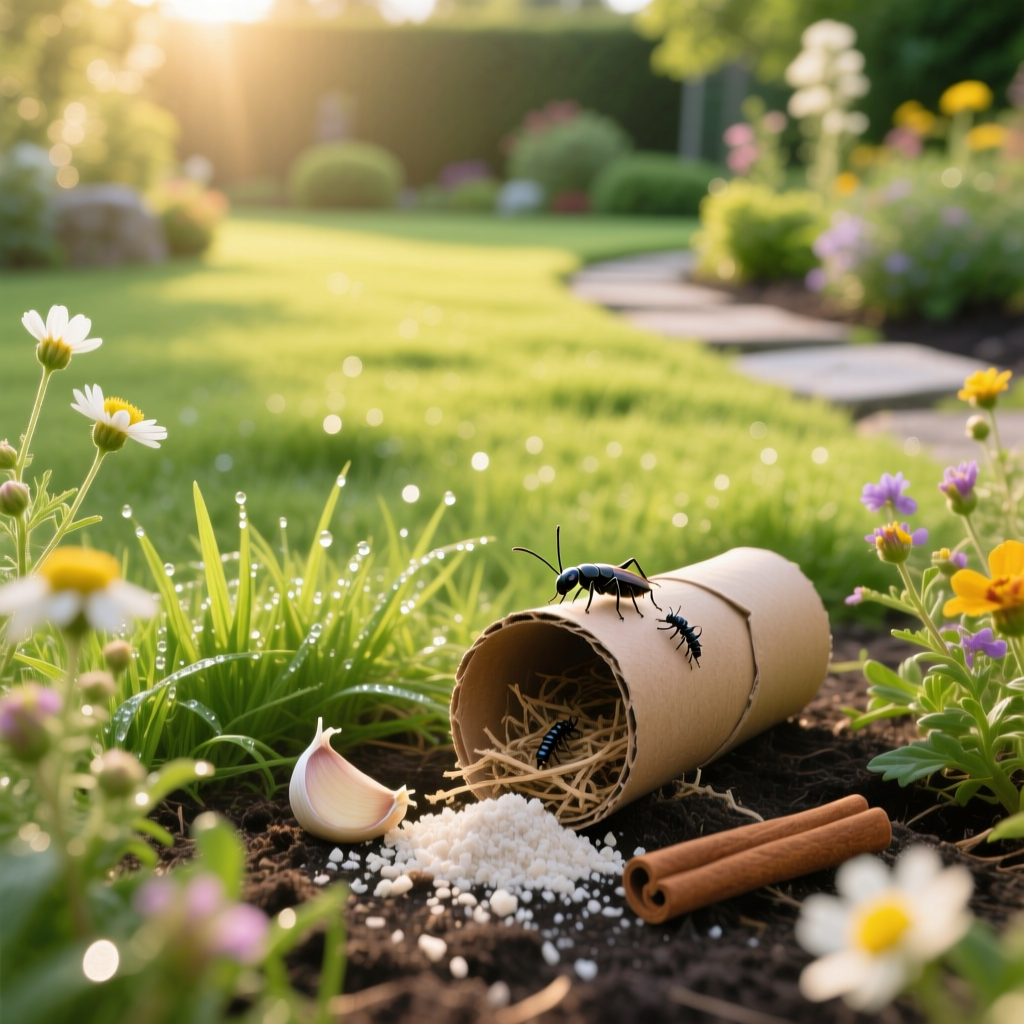
Earwigs are among the most misunderstood pests lurking in flower beds. With their distinctive pincers and unsettling reputation, these nocturnal insects can send any gardener into a panic. Despite the old myth that they crawl into human ears — a tale that gave them their unsettling name — earwigs pose no direct threat to people. However, they can wreak real havoc on your beloved blooms, seedlings, and tender plant foliage.
If you have noticed ragged holes in flower petals, chewed leaves on young plants, or simply spotted these slender, dark-bodied insects scurrying for cover when you lift a pot or mulch layer, you likely have an earwig problem. The good news is that you do not need to reach for expensive chemical pesticides to reclaim your flower beds. A combination of smart prevention strategies, homemade traps, and natural repellents can dramatically reduce earwig populations and protect your garden season after season.
In this comprehensive guide, you will learn how to identify earwig damage, prevent infestations before they start, build effective DIY traps from household items, and deploy natural repellents that keep these pests at bay. Whether you maintain a small cottage garden or an expansive landscaped yard, these methods will help you safeguard your flower beds the natural way. For broader lawn and garden health tips, explore our lawn care guides to keep your entire outdoor space thriving.
Identifying Earwigs and the Damage They Cause in Flower Beds
Before you can effectively control earwigs, you need to confirm they are actually the culprits behind your garden damage. Several other pests — including slugs, snails, and caterpillars — create similar feeding patterns, so proper identification is essential.
What Earwigs Look Like
Earwigs (order Dermaptera) are elongated insects typically measuring between one-quarter and one inch in length. They have flat, reddish-brown to dark brown bodies, short wing covers, and a pair of forceps-like cerci (pincers) protruding from their abdomen. The European earwig (Forficula auricularia) is the most common species found in North American gardens, though several regional variants exist. Despite their intimidating appearance, their pincers are primarily used for defense, capturing prey, and folding their delicate hind wings — not for biting humans.
Signs of Earwig Damage in Flower Beds
Earwigs are nocturnal feeders, which means you will rarely catch them in the act during daylight hours. Instead, look for these telltale signs:
- Irregular holes in leaves and petals: Unlike the smooth edges left by caterpillars, earwig feeding creates jagged, uneven holes and notches along leaf margins and flower petals.
- Skeletonized foliage: In heavy infestations, earwigs consume the soft tissue between leaf veins, leaving behind a lacy, skeletonized appearance.
- Damage to seedlings and young shoots: Tender new growth is especially vulnerable. You may find seedlings clipped at the base or emerging shoots stripped of tissue.
- Presence in damp, sheltered spots: During the day, earwigs hide in tight, moist spaces — under mulch, inside rolled leaves, beneath flower pots, within compost piles, and in the crevices of garden debris.
- Slime trail absence: Unlike slugs and snails, earwigs do not leave silvery slime trails. If you see chewed leaves but no slime, earwigs are a likely suspect.
Why Flower Beds Are Earwig Magnets
Flower beds provide the perfect trifecta of conditions earwigs crave: moisture, shelter, and food. Mulch layers retain soil moisture and create ideal hiding spots. Dense plantings offer shade and humidity. And the abundance of tender petals, pollen, and decaying organic matter serves as an all-you-can-eat buffet. Understanding this attraction is the first step toward making your flower beds less inviting. Maintaining proper soil health and drainage throughout your landscape also helps reduce the damp conditions earwigs thrive in.
Prevention Strategies: Making Your Flower Beds Less Appealing to Earwigs
The most effective pest control strategy always begins with prevention. By modifying the conditions that attract earwigs, you can significantly reduce their presence without ever setting a single trap.
Manage Moisture Levels
Earwigs are moisture-dependent insects. They desiccate quickly in dry conditions and actively seek out damp environments. To reduce moisture in your flower beds:
- Water in the morning: Watering early allows the soil surface and foliage to dry throughout the day, eliminating the damp nighttime conditions earwigs prefer.
- Improve drainage: Amend heavy clay soils with compost or coarse sand to prevent water from pooling around plant roots.
- Use drip irrigation: Drip systems deliver water directly to root zones, keeping the soil surface and mulch layer drier than overhead sprinklers.
- Avoid overwatering: Let the top inch of soil dry between waterings. Consistently soggy soil is an open invitation to earwigs and many other pests.
Reduce Hiding Places
Earwigs need tight, dark refuges to survive daylight hours. Removing these shelters forces them into the open, where natural predators and harsh conditions can reduce their numbers:
- Thin mulch layers: Keep mulch no deeper than two to three inches and pull it back several inches from plant stems and foundations.
- Clear garden debris: Remove fallen leaves, dead plant material, and rotting wood promptly. These are prime earwig real estate.
- Elevate pots and containers: Use pot feet or risers to create airflow beneath containers, eliminating the damp gap where earwigs love to hide.
- Prune dense plantings: Thin overcrowded perennials and annuals to improve air circulation and reduce humidity at the soil level.
- Seal cracks and crevices: Caulk gaps in retaining walls, stone borders, and foundation edges near flower beds to eliminate harborage sites.
Encourage Natural Predators
A healthy garden ecosystem includes beneficial organisms that prey on earwigs. Birds, toads, ground beetles, centipedes, and certain spiders all feed on earwigs. You can attract these predators by:
- Installing bird feeders and birdbaths near flower beds
- Leaving small undisturbed areas with rocks and logs for toads and ground beetles
- Avoiding broad-spectrum pesticides that kill beneficial insects alongside pests
- Maintaining diverse plantings that support a robust food web
For more on building a balanced, pest-resistant garden ecosystem, check out our natural pest control methods guide.
DIY Earwig Traps: Effective Homemade Solutions for Flower Beds
When prevention alone is not enough, traps offer a targeted, chemical-free way to reduce earwig populations. The following DIY traps use common household items and can be deployed throughout your flower beds in minutes.
The Oil and Soy Sauce Trap
This is arguably the most effective homemade earwig trap, and it takes just a few minutes to assemble:
- Take a small plastic container (a yogurt cup, tuna can, or deli container works perfectly).
- Fill it about one-third full with equal parts soy sauce and vegetable oil. The soy sauce acts as a powerful attractant with its fermented, salty scent, while the oil prevents captured earwigs from climbing out.
- Bury the container in the soil near affected plants so the rim sits level with or just slightly below the soil surface.
- Place a small stone or lid propped up on pebbles over the trap to keep rain out while still allowing earwigs to crawl in.
- Check traps every morning and dispose of captured earwigs in soapy water. Refresh the bait mixture every few days or after heavy rain.
Deploy multiple traps spaced three to five feet apart throughout your flower beds for maximum coverage. You will likely see results within the first night.
The Rolled Newspaper Trap
This simple trap exploits the earwig's instinct to seek tight, dark hiding spots during the day:
- Dampen a section of newspaper and roll it into a loose cylinder about two inches in diameter.
- Secure the roll with a rubber band or twine.
- Place the rolls in your flower beds in the evening, positioning them near plants showing damage.
- Collect the rolls each morning before the sun warms them. Shake them out over a bucket of soapy water to drown the earwigs hiding inside.
- Replace or re-dampen the rolls each evening until captures diminish.
Corrugated cardboard tubes (from paper towels or toilet paper) work equally well. Stuff one end loosely with a bit of damp newspaper to create a dead-end tunnel that earwigs find irresistible.
The Flower Pot Trap
For a more durable, reusable option:
- Take a small terra cotta or plastic flower pot (four to six inches in diameter).
- Stuff it loosely with crumpled newspaper, dry straw, or wood shavings.
- Invert the pot and place it on a stick or stake in the flower bed so it sits slightly elevated, creating a dark cavity underneath.
- Alternatively, lay the pot on its side among your plants.
- Check the pot each morning, shake out earwigs into soapy water, and replace the stuffing material as needed.
The Beer Trap (Borrowed from Slug Control)
While beer traps are most commonly associated with slug and snail control, earwigs are also attracted to the yeasty fermentation scent:
- Bury a shallow container (such as a jar lid or small dish) in the soil near vulnerable plants.
- Fill it with stale beer or a mixture of water, sugar, and yeast.
- Earwigs will crawl in, attracted by the scent, and drown in the liquid.
- Empty and refill every two to three days for continued effectiveness.
Tips for Maximizing Trap Success
- Place traps near damage: Concentrate traps around plants showing the most feeding injury.
- Set traps in the evening: Earwigs emerge at dusk, so having fresh traps in place before dark yields the best results.
- Combine trap types: Using oil traps alongside newspaper rolls gives you both attractant-based and shelter-based capture methods working simultaneously.
- Be consistent: Trapping is most effective when done nightly for one to two weeks to break the breeding cycle.
- Dispose properly: Always drown captured earwigs in soapy water rather than releasing them elsewhere in your yard.
Natural Repellents to Protect Flower Beds from Earwigs
While traps reduce existing populations, repellents create barriers that discourage new earwigs from entering your flower beds. These natural solutions are safe for use around children, pets, pollinators, and beneficial insects when applied correctly.
Diatomaceous Earth (DE)
Diatomaceous earth is a fine powder made from fossilized diatom shells. On a microscopic level, its particles are razor-sharp and cut through the waxy outer coating of insects, causing them to dehydrate and die. To use DE against earwigs:
- Purchase food-grade diatomaceous earth (never use pool-grade DE, which is chemically treated and unsafe).
- Sprinkle a thin, even barrier around the base of vulnerable plants, along flower bed borders, and around any entry points from adjacent lawn areas.
- Reapply after every rainfall or heavy watering, as moisture neutralizes its abrasive properties.
- Apply in the evening when pollinators are less active to minimize contact with bees and butterflies.
DE is one of the most versatile tools in organic pest control. Learn more about using it across your landscape in our pest control resource center.
Essential Oil Sprays
Certain essential oils have strong repellent properties that earwigs find overwhelming. Effective options include:
- Peppermint oil: Mix 15 to 20 drops of peppermint essential oil with one quart of water and a few drops of dish soap (to help the oil emulsify). Spray around plant bases, bed borders, and known hiding spots.
- Eucalyptus oil: Use the same dilution ratio as peppermint. Eucalyptus has the added benefit of a pleasant scent for humans.
- Citronella oil: Effective against earwigs and a wide range of other garden pests. Apply as a perimeter spray around flower beds.
- Tea tree oil: Mix 10 to 15 drops per quart of water. Tea tree oil also has mild antifungal properties that can help prevent secondary infections on damaged plants.
- Cedarwood oil: Cedar has long been known as a natural insect repellent. A cedarwood oil spray creates an invisible barrier that earwigs avoid.
Reapply essential oil sprays every three to four days and after rain. Always test sprays on a small area of foliage first to check for phytotoxicity, especially on delicate flowers.
Coffee Grounds
Used coffee grounds serve double duty in the garden: they repel earwigs while slowly adding organic matter and nitrogen to the soil. Spread a ring of dried, used coffee grounds around susceptible plants. The coarse texture and residual caffeine deter earwigs from crossing the barrier. Refresh the grounds weekly for continued effectiveness. Coffee grounds also complement a healthy composting routine for your garden beds.
Citrus Rind Barriers
Earwigs dislike the strong acidity and scent of citrus. Save your orange, lemon, and grapefruit peels and place them cut-side down around flower beds. The rinds act as both a repellent and a trap — earwigs may shelter under them at night, allowing you to collect and dispose of them each morning. Replace the rinds every few days as they dry out and lose potency.
Garlic and Hot Pepper Spray
This potent homemade repellent targets the sensitive olfactory receptors of earwigs:
- Blend four to five cloves of garlic and one tablespoon of crushed red pepper flakes (or one fresh hot pepper) with one quart of water.
- Let the mixture steep for 24 hours, then strain through a fine mesh or cheesecloth.
- Add a few drops of liquid dish soap to help the solution adhere to plant surfaces.
- Spray liberally on and around plants, focusing on the undersides of leaves and the soil surface near stems.
- Reapply every five to seven days and after rainfall.
Herbs and Plants That Repel Earwigs
Strategic companion planting can create a natural defense line around your flower beds. Plants known to repel earwigs include:
- Lavender: Its strong fragrance deters earwigs while attracting beneficial pollinators.
- Rosemary: The pungent, resinous scent of rosemary is unappealing to many insects, earwigs included.
- Mint: Plant mint in containers near flower beds (it spreads aggressively if planted directly in the ground).
- Chrysanthemums: These contain pyrethrins, natural insecticidal compounds that repel a wide range of pests.
- Marigolds: While marigolds are famous for repelling nematodes, their strong scent also discourages earwigs from nearby areas.
Integrating these plants into your flower bed design adds beauty while providing functional pest protection. For more companion planting strategies, visit our garden design tips page.
When to Call a Professional for Earwig Control
DIY traps and natural repellents are highly effective for moderate earwig problems, but certain situations warrant professional intervention. Knowing when to escalate can save your garden from severe damage.
Signs You Need Professional Help
- Persistent infestations despite consistent trapping and repellent use: If two to three weeks of diligent DIY control have not reduced earwig activity, the population may be too large or the source too hidden for home methods to manage.
- Earwigs invading your home: Large outdoor populations often migrate indoors through foundation cracks, especially during extreme heat or drought. Indoor infestations indicate an outdoor problem that needs professional-scale treatment.
- Severe plant damage threatening landscape investment: If specimen plants, expensive perennials, or newly installed landscape designs are being decimated, professional treatment can provide faster, more thorough results.
- Recurring seasonal outbreaks: If earwigs return in force every season despite your best efforts, a licensed pest control operator can identify breeding sites you may have missed and apply targeted treatments.
What Professionals Offer
Licensed pest control companies have access to commercial-grade products and application equipment not available to homeowners. They can perform perimeter treatments around your home and flower beds, apply granular insecticides to soil where earwig eggs overwinter, and develop integrated pest management (IPM) plans tailored to your specific property. Many now offer eco-friendly treatment options that align with organic gardening principles.
Before hiring a professional, ask about their experience with earwig control specifically, the products they intend to use, and whether those products are safe for use around flowering plants and pollinators. Request a written treatment plan and warranty information.
Combining Professional Treatment with DIY Prevention
The most successful long-term strategy combines professional knockdown treatments with the DIY prevention and trapping methods outlined in this guide. A professional can dramatically reduce the population, and your ongoing maintenance with traps, repellents, and habitat modification will prevent re-infestation. Continue to monitor your flower beds weekly, maintain proper seasonal lawn and garden maintenance, and address moisture and shelter issues promptly to keep earwigs from returning.
Frequently Asked Questions About Earwig Control in Flower Beds
Are earwigs harmful to my flowers and garden plants?
Yes, earwigs can cause significant damage to flower beds, particularly to soft-petaled flowers like dahlias, zinnias, marigolds, and roses. They chew irregular holes in petals and leaves, skeletonize foliage, and can destroy young seedlings entirely. However, earwigs also play a beneficial role in the garden by feeding on aphids, mites, and decaying organic matter. The goal of control is not total eradication but population management — keeping their numbers low enough that the damage they cause is minimal and tolerable. Monitoring your flower beds regularly helps you determine whether action is needed or whether the earwig population is small enough to coexist with.
What is the fastest way to get rid of earwigs in flower beds naturally?
The fastest natural approach combines oil-and-soy-sauce traps with a diatomaceous earth barrier. Set multiple traps throughout the affected flower bed in the evening, and you will likely capture dozens of earwigs by the next morning. Simultaneously, apply food-grade diatomaceous earth around the base of damaged plants and along bed borders to kill earwigs that encounter it. Continue trapping nightly for one to two weeks while maintaining the DE barrier (reapplying after rain). This two-pronged attack reduces populations faster than either method alone. For added speed, remove as much mulch, debris, and excess moisture from the bed as possible to eliminate the conditions that sustain the population.
Do earwigs bite humans or pets?
Earwigs do not bite humans or pets. Despite their fearsome-looking pincers, they lack the jaw strength to break skin in most cases. If an earwig does pinch a person who handles it roughly, the sensation is mild — similar to a slight pinch — and causes no lasting harm. Earwigs do not carry diseases transmissible to humans or animals. They are far more interested in hiding in dark crevices and feeding on plant matter and small insects than in interacting with people or pets. The old wives' tale about earwigs crawling into human ears to lay eggs is entirely false. Their presence in your garden is a nuisance for your plants, not a health risk for your family.
Why do I have so many earwigs in my flower beds every summer?
Earwig populations surge in warm, humid conditions, which is why infestations peak during late spring and summer. A single female earwig can lay up to 300 eggs in underground burrows during autumn and winter, and she actually guards and tends her eggs — unusual behavior for an insect. When those eggs hatch in spring, the resulting nymphs emerge into flower beds that offer abundant food and shelter. If your beds have thick mulch, consistent moisture, dense plantings, and ample debris, they provide an ideal habitat that supports rapid population growth. Breaking this cycle requires fall cleanup to remove overwintering sites, spring monitoring to catch nymphs early, and consistent summer trapping to prevent populations from building. Addressing the underlying moisture and shelter conditions is the key to long-term reduction.
Can I use vinegar to repel earwigs from my flower beds?
Vinegar can deter earwigs, but it must be used with caution in flower beds. A solution of equal parts white vinegar and water sprayed around bed borders, walkway edges, and non-plant areas can create a repellent barrier. However, vinegar is non-selective and phytotoxic — it will damage or kill plant foliage, roots, and beneficial soil organisms if applied directly to plants or soil in your flower beds. For this reason, vinegar is better suited for treating hard surfaces near the garden (patios, walkways, foundation perimeters) rather than the beds themselves. If you want to use vinegar safely, soak cotton balls in undiluted vinegar and place them in small dishes or bottle caps around the edges of your flower beds, replacing them every few days. For direct plant protection, essential oil sprays or diatomaceous earth are safer and equally effective choices.


