
Pest Control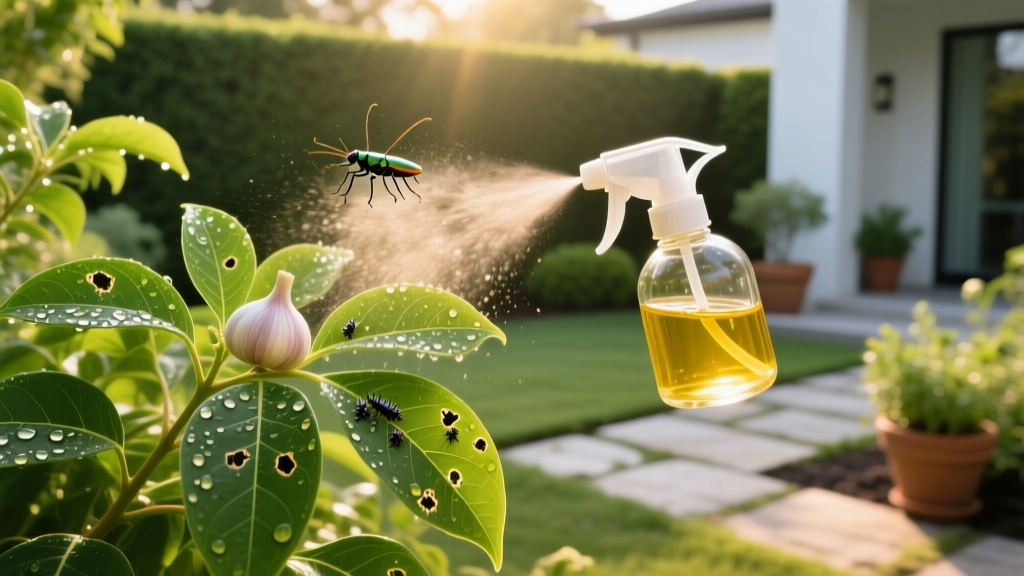
How to Make a Natural Bug Killer for Plants That Actually Works
The Problem with Synthetic Sprays and the Promise of Organics
When aphids, spider mites, or whiteflies invade your garden, the immediate temptation is to reach for a synthetic pyrethroid or neonicotinoid spray. While these chemicals offer rapid knockdown, they come with severe collateral damage: decimating local pollinator populations, causing pest resistance, and leaving toxic residues on edible crops. Transitioning to a natural bug killer for plants is not just an environmental preference; it is a long-term integrated pest management (IPM) strategy that preserves the beneficial insect ecosystem in your soil and canopy.
However, many gardeners abandon organic controls after their first attempt fails. This failure rarely stems from the natural ingredients themselves, but rather from improper formulation, incorrect application timing, or a fundamental misunderstanding of how these compounds interact with insect biology. To create a natural bug killer for plants that actually works, you must treat the mixing process like a chemistry experiment, not a kitchen recipe.
The Science: How Natural Compounds Disrupt Pests
Unlike synthetic neurotoxins that cause immediate paralysis, natural bug killers rely on physical and biological disruption. Understanding these mechanisms is critical for setting realistic expectations and applying the correct treatment.
- Cuticle Dissolution (Insecticidal Soaps): True insecticidal soaps contain potassium salts of fatty acids. These salts strip the protective waxy cuticle from the exoskeleton of soft-bodied insects, causing rapid dehydration and cell membrane collapse. They require direct contact to be effective.
- Hormonal Disruption (Azadirachtin): Found in raw neem oil, azadirachtin mimics insect hormones. It blocks the production of ecdysone, preventing larvae from molting and pupating, and acts as a powerful antifeedant, causing pests to starve rather than eat your foliage.
- Olfactory Masking and Irritation (Capsaicin & Allium): Garlic and hot pepper sprays do not typically kill insects on contact. Instead, they create an intensely irritating surface and mask the volatile organic compounds (VOCs) that host-seeking pests use to locate your plants.
3 Proven DIY Natural Bug Killer Recipes
Forget vague internet recipes that suggest mixing "a little dish soap" with water. Dish detergents are designed to strip grease and will destroy your plant's protective epicuticular wax, leading to severe phytotoxicity. Use these precise, field-tested formulations instead.
Recipe 1: The Heavy Hitter (Neem & Castile Emulsion)
Neem oil and water naturally repel each other. Without a proper emulsifier, the oil will float to the top, resulting in some plants getting pure water and others getting concentrated oil that will burn their leaves.
- Ingredients: 1 teaspoon raw, cold-pressed neem oil (must contain Azadirachtin), 1/2 teaspoon liquid castile soap (e.g., Dr. Bronner's Unscented), 1 quart of lukewarm distilled water.
- Cost: Approximately $0.15 per quart mixed. A 16oz bottle of high-quality raw neem oil costs around $18-$22 and yields over 90 gallons of spray.
- Method: Mix the castile soap into the lukewarm water first to create a surfactant base. Slowly drizzle in the neem oil while shaking vigorously. The mixture should turn milky white. If you see oil slicks on the surface, add two more drops of castile soap and re-shake.
Pro-Tip: Avoid "Neem Oil Extract" or "Clarified Neem Oil" found in many big-box stores. The clarification process removes the azadirachtin, leaving only fatty acids that act as a weak fungicide but lack the hormonal insecticidal properties required to stop pest life cycles.
Recipe 2: The Contact Killer (Potassium Fatty Acid Soap)
This is your frontline defense for active, heavy infestations of soft-bodied insects like aphids and mealybugs.
- Ingredients: 2.5 tablespoons of pure liquid castile soap or dedicated potassium salts insecticidal soap concentrate, 1 quart of distilled water.
- Method: Combine and shake gently to avoid creating excessive foam in the sprayer tank. Apply directly to the pests. The soap must remain wet on the insect's body to work; once it dries, it loses all insecticidal activity.
Recipe 3: The Deterrent Barrier (Garlic & Capsaicin Extract)
Use this as a preventative barrier for crops frequently targeted by chewing insects like cabbage loopers, flea beetles, and Japanese beetles.
- Ingredients: 2 whole heads of garlic, 2 tablespoons crushed red pepper flakes (or 1 fresh habanero), 1 quart of boiling water, 1/2 teaspoon liquid castile soap.
- Method: Blend the garlic and peppers with a small amount of water to create a slurry. Pour the boiling water over the slurry and let it steep for 24 hours. Strain the liquid through a standard paper coffee filter (crucial to prevent sprayer nozzle clogging). Add the castile soap as a sticking agent before transferring to your spray bottle.
Pest-to-Spray Decision Matrix
Matching the correct natural bug killer for plants to the specific pest biology is the most common point of failure for organic gardeners. Use this matrix to select your treatment.
| Target Pest | Recommended Spray | Mode of Action | Application Frequency |
|---|---|---|---|
| Aphids & Whiteflies | Potassium Soap (Recipe 2) | Cuticle dissolution (Contact) | Every 4-7 days until resolved |
| Spider Mites | Neem Emulsion (Recipe 1) | Hormonal disruption & smothering | Every 5 days for 3 cycles |
| Cabbage Loopers | Garlic/Capsaicin (Recipe 3) | Olfactory masking & irritation | After every heavy rainfall |
| Mealybugs | Potassium Soap + Isopropyl | Cuticle dissolution + wax removal | Spot treat weekly |
| Fungus Gnats (Adults) | Neem Emulsion (Soil Drench) | Larval growth regulation | Drench soil every 7 days |
Critical Application Rules to Prevent Phytotoxicity
Natural does not mean harmless. Oils and soaps can severely damage plant tissue if applied under the wrong environmental conditions. According to guidelines published by the University of Minnesota Extension, improper application of horticultural oils and soaps is the leading cause of contact phytotoxicity in home gardens.
Warning: The 85°F Rule
Never apply neem oil, insecticidal soap, or pepper sprays when ambient temperatures exceed 85°F (29°C) or when plants are under drought stress. Heat opens the plant's stomata, allowing the soap or oil to penetrate the leaf tissue and cause irreversible cellular necrosis (leaf burn).
Never apply neem oil, insecticidal soap, or pepper sprays when ambient temperatures exceed 85°F (29°C) or when plants are under drought stress. Heat opens the plant's stomata, allowing the soap or oil to penetrate the leaf tissue and cause irreversible cellular necrosis (leaf burn).
- Timing is Everything: Apply sprays at dusk or early dawn. This maximizes the time the spray remains wet on the insect (required for soaps) and prevents rapid UV degradation of azadirachtin (which breaks down in direct sunlight within 48 hours).
- Target the Underside: Over 80% of pest insects, including aphids and whiteflies, feed and lay eggs on the abaxial (underside) surface of leaves. Spraying only the top of the canopy is entirely ineffective.
- The Rain Reset: Natural sprays lack synthetic rain-fast polymers. Any rainfall exceeding 0.25 inches will wash the treatment off. You must reapply after the foliage dries.
Common Mistakes and Failure Modes
If your natural bug killer for plants is failing to control the infestation, troubleshoot using these common edge cases:
1. The Hard Water Reaction
If you mix insecticidal soap or castile soap with hard tap water (water high in calcium and magnesium), the fatty acids bind to the minerals, creating insoluble calcium stearate (soap scum). This scum coats the leaves, blocks stomata, and renders the spray useless against pests. The Fix: Always use distilled water, reverse-osmosis water, or clean rainwater for your spray mixtures.
2. Spraying Sensitive Cultivars
Some plants lack a robust epicuticular wax layer and are highly sensitive to oils and soaps. Applying these natural sprays to ferns, sweet peas, jade plants, azaleas, or horse chestnuts will result in severe leaf drop and burning. Always perform a patch test on a single leaf and wait 24 hours before treating the entire plant.
3. Ignoring the Pest Life Cycle
Neem oil and soaps do not kill insect eggs. If you spray once and stop, the surviving eggs will hatch three days later, and the infestation will rebound immediately. As noted by the Environmental Protection Agency (EPA) in their minimum-risk pesticide guidelines, organic compounds require strict adherence to reapplication intervals to break the reproductive cycle of the pest. You must commit to a minimum of three applications spaced 5 to 7 days apart.
Final Considerations for the Organic Garden
Formulating your own natural bug killer for plants provides unparalleled control over what is introduced into your garden ecosystem. By utilizing raw, cold-pressed neem, true potassium salts, and properly extracted botanical deterrents, you can achieve pest suppression that rivals synthetic chemicals. The key to success lies in precise emulsification, strict adherence to temperature limits, and the discipline to reapply treatments to match the reproductive cycles of your specific garden pests.

