
Pest Control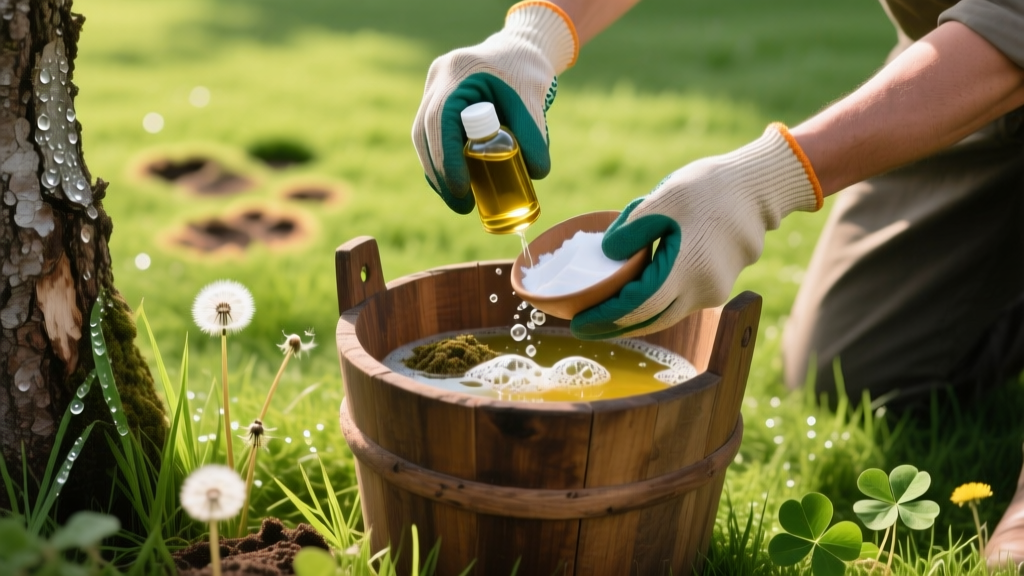
DIY Natural Fungicide for Lawn Brown Patch and Dollar Spot Control
The Biology of Organic Fungal Suppression
Fungal pathogens like Rhizoctonia solani (brown patch) and Sclerotinia homoeocarpa (dollar spot) thrive in the humid, warm microclimates of turfgrass canopies. While synthetic fungicides like azoxystrobin offer rapid knockdown, they indiscriminately harm beneficial soil microbiology and can lead to pathogen resistance. A targeted natural fungicide strategy relies on three mechanisms: altering leaf surface pH to inhibit spore germination, disrupting fungal cell membranes with botanical oils, and introducing competitive microbial antagonists. According to the University of Minnesota Extension, integrating these organic methods requires precise timing and an understanding of pathogen life cycles, as natural compounds generally act as preventatives or early-stage curatives rather than post-infection eradicants.
Top 3 DIY Natural Fungicide Recipes
Creating an effective organic spray requires more than mixing kitchen ingredients with water. Emulsification, pH buffering, and adhesion are critical for the active ingredients to survive dew cycles and UV exposure. Below are three field-tested formulations.
1. Cold-Pressed Neem Oil Emulsion (Membrane Disruptor)
Neem oil contains azadirachtin and clarified hydrophobic extracted neem oil (CHENO), which smothers fungal spores and disrupts their cellular respiration. You must use cold-pressed neem oil with a minimum 2.5% azadirachtin concentration; highly processed 'clarified' neem oils sold in big-box stores lack the necessary terpenoids for turf disease control.
- Recipe: 1.5 tablespoons cold-pressed neem oil, 1 teaspoon liquid castile soap (acts as an emulsifier), and 1 gallon of lukewarm water (80°F to 90°F to prevent oil solidification).
- Target: Brown patch, rust, and powdery mildew.
- Frequency: Every 7 to 10 days during peak humidity (nighttime temps above 68°F).
2. Potassium Bicarbonate Contact Spray (pH Alteration)
While sodium bicarbonate (baking soda) is commonly recommended, it can accumulate toxic sodium levels in turfgrass soil over time. Potassium bicarbonate is vastly superior for lawns. It raises the leaf surface pH to approximately 8.0, creating an alkaline environment where dollar spot and powdery mildew spores cannot germinate.
- Recipe: 1 tablespoon potassium bicarbonate, 2 tablespoons horticultural oil or cold-pressed canola oil (for adhesion), 1/2 teaspoon liquid castile soap, and 1 gallon of water.
- Target: Dollar spot, powdery mildew, and anthracnose.
- Frequency: Every 5 to 7 days, or immediately after heavy rainfall washes the residue off.
3. Aerated Compost Tea Drench (Biological Competition)
This is a soil drench and foliar spray that introduces billions of Bacillus and Trichoderma organisms. These beneficial microbes physically occupy the space on the grass blade and root zone, outcompeting fungal pathogens for nutrients.
- Recipe: 2 cups high-quality vermicompost, 1 tablespoon unsulfured blackstrap molasses (microbe food), and 2 gallons of dechlorinated water. Aerate with an air pump for 24 to 36 hours until a thick foam forms.
- Target: General soil-borne pathogens, root rot, and overall turf immunity.
- Frequency: Monthly as a preventative drench; weekly as a foliar spray during disease outbreaks.
Natural Fungicide Comparison Matrix
| Formulation | Cost per Gallon | Primary Mode of Action | Best Target Disease | Phytotoxicity Risk |
|---|---|---|---|---|
| Neem Oil Emulsion | $0.45 - $0.60 | Contact / Smothering | Brown Patch, Rust | Moderate (if applied in heat) |
| Potassium Bicarbonate | $0.20 - $0.30 | Contact / pH Alteration | Dollar Spot, Mildew | Low (if oil ratio is correct) |
| Aerated Compost Tea | $0.10 - $0.15 | Biological Competition | Root Rot, General | None |
Commercial Biological Fungicides: When DIY Falls Short
For severe infections or large commercial properties where brewing compost tea or emulsifying oils is impractical, commercial biofungicides registered by the Environmental Protection Agency (EPA) offer concentrated, shelf-stable natural alternatives.
Product Spotlight: Serenade Garden & MilStop
Serenade Garden (Bacillus subtilis strain QST 713): Priced around $25 for a 32 oz ready-to-use bottle (or $60 for a 16 oz concentrate), this biofungicide produces lipopeptides that literally punch holes in the cell walls of Rhizoctonia and Sclerotinia. It must be applied at the first sign of disease and requires moisture to activate the bacteria.
MilStop (85% Potassium Bicarbonate): Priced at roughly $45 for a 5 lb water-soluble bag. This is the commercial-grade version of the DIY recipe above. It dissolves instantly without the need for soap emulsifiers and provides immediate curative action against powdery mildew and dollar spot by dehydrating the fungal hyphae upon contact.
Application Protocols and Phytotoxicity Prevention
The most common failure with natural fungicides is not the recipe itself, but the application environment. Organic compounds are highly sensitive to UV degradation and temperature extremes.
- The Temperature Threshold: Never apply neem oil or horticultural oil-based natural fungicides when daytime temperatures exceed 85°F, or when nighttime temperatures remain above 75°F. The oil traps heat against the leaf cuticle, causing severe phytotoxicity (leaf burn) within 12 hours.
- The Dew Point Window: Fungal spores require free moisture to germinate. Apply your potassium bicarbonate or neem spray in the early evening just as the dew point is reached. This allows the fungicide to coat the blade and dry slowly, maximizing contact time with emerging spores.
- Agitation is Mandatory: Unlike synthetic chemical suspensions, DIY oil-and-water emulsions will separate in the tank within 10 minutes. You must shake your pump sprayer vigorously every few minutes while walking the lawn to ensure an even distribution of the active ingredients.
⚠️ CRITICAL WARNING: Never mix potassium bicarbonate sprays with acidic biologicals like compost tea or Bacillus subtilis products in the same tank. The high alkalinity of the bicarbonate will instantly kill the beneficial living bacteria, rendering both treatments useless. Always space these applications at least 48 hours apart.
Troubleshooting Organic Fungicide Failures
If your natural fungicide application fails to halt the spread of brown patch or dollar spot, review these common edge cases:
- Missed the Infection Window: Natural fungicides are primarily protectants. If the mycelium has already penetrated the leaf tissue and formed deep lesions (visible as distinct, sunken, straw-colored bands on the grass blade), contact sprays like neem or bicarbonate will not reach the pathogen. You must switch to a systemic biological like Bacillus subtilis which can colonize the inner leaf tissue.
- Thatch Interference: A thatch layer thicker than 0.5 inches will intercept foliar sprays before they reach the crown and soil line where brown patch originates. Core aerate and dethatch before applying soil-drench natural fungicides.
- Chlorinated Water: If you are brewing compost tea or mixing Bacillus-based commercial biofungicides, never use fresh municipal tap water. The chlorine and chloramines will sterilize the biological agents. Let tap water sit in an open bucket for 24 hours to off-gas, or use a campden tablet to instantly neutralize chlorine before mixing.
Frequently Asked Questions
Can I use apple cider vinegar as a natural fungicide on my lawn?
No. While acetic acid has antifungal properties, it is a non-selective herbicide. Spraying vinegar on your lawn will desiccate and kill your turfgrass just as quickly as it kills the fungus. Stick to pH-altering compounds like potassium bicarbonate for safe turf treatment.
How long does it take for a natural fungicide to show results?
Contact natural fungicides (neem, bicarbonate) halt spore germination immediately, meaning you should see a cessation of new disease spread within 48 to 72 hours. However, the existing damaged grass will not turn green again; you must wait for new turf tillers to grow and fill in the dead patches, which takes 10 to 14 days under optimal fertilization.

