
Pest Control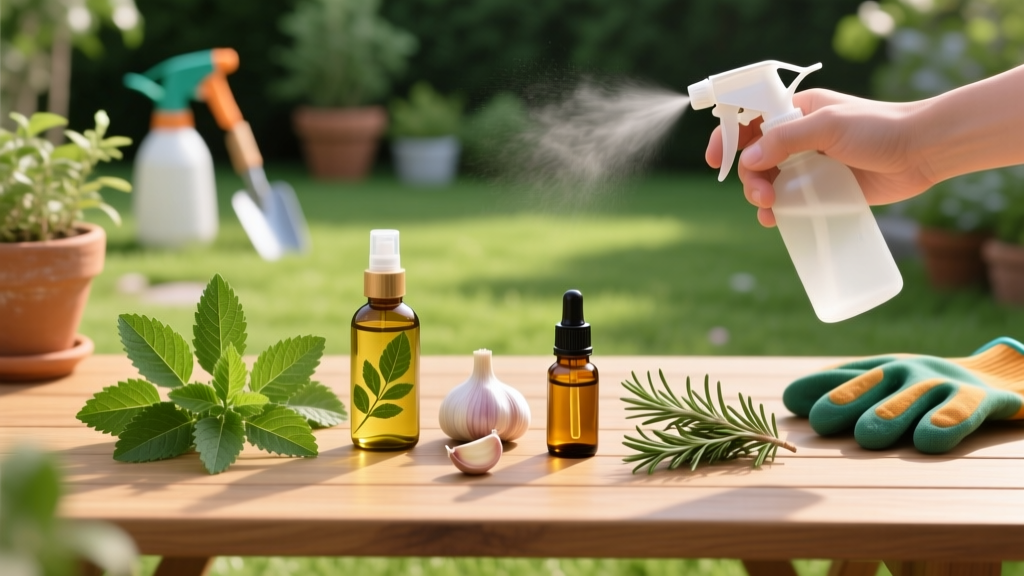
DIY Natural Insect Repellent for Plants: 5 Organic Spray Recipes
The Shift to Botanical Pest Management
Synthetic pesticides like imidacloprid and bifenthrin persist in soil microbiomes, harm non-target pollinators, and accelerate pest resistance. Homeowners and commercial growers are increasingly pivoting to botanical alternatives. A high-quality natural insect repellent for plants relies on secondary metabolites—alkaloids, terpenes, and sulfur compounds—that disrupt insect olfactory receptors, inhibit molting, or act as contact irritants without leaving toxic residual loads in your topsoil.
Formulating your own organic sprays requires precision. Unlike synthetic chemicals that forgive sloppy mixing, botanical compounds degrade rapidly under UV light and require proper emulsification to coat leaf cuticles effectively. Below are five field-tested recipes, complete with biochemical mechanisms, exact measurements, and 2026 pricing realities.
5 Proven DIY Natural Insect Repellent Recipes
1. Cold-Pressed Neem Oil Emulsion (The Molting Disruptor)
Neem oil contains azadirachtin, a limonoid that mimics insect growth hormones, causing pests like whiteflies, aphids, and fungus gnats to stop feeding and fail to molt. Clarified hydrophobic extracts (often sold as fungicides) lack this compound; you must use 100% cold-pressed, unclarified neem oil.
- Ingredients: 1.5 tablespoons cold-pressed neem oil, 1/2 teaspoon liquid castile soap (e.g., Dr. Bronner’s Peppermint), 1 quart lukewarm water (80°F–85°F).
- Preparation: Mix the soap and water first to create a surfactant base. Slowly drizzle in the neem oil while shaking vigorously. The water must be warm; neem oil solidifies below 68°F and will clog your spray nozzle.
- Target Pests: Aphids, mealybugs, spider mites, thrips.
- Estimated Cost: $1.15 per gallon (based on 2026 average pricing of $19 per 16 oz bottle of cold-pressed neem).
2. Capsaicin & Allicin Barrier Spray (The Olfactory Deterrent)
This recipe leverages capsaicin (from hot peppers) as a contact irritant and allicin (from crushed garlic) as a powerful olfactory mask that confuses host-seeking insects.
- Ingredients: 1 whole garlic bulb (peeled), 2 scotch bonnet or habanero peppers, 1 quart water, 1 teaspoon horticultural oil.
- Preparation: Blend the garlic, peppers, and 2 cups of water into a fine puree. Steep for 24 hours in a sealed glass jar. Strain through a fine cheesecloth to remove particulate matter that will block spray wands. Dilute the concentrate with the remaining water and add the horticultural oil to help the mixture adhere to waxy leaf surfaces.
- Target Pests: Cabbage loopers, beetles, deer, and rabbits (secondary deterrent).
- Estimated Cost: $0.85 per gallon.
3. Tomato Leaf Alkaloid Spray (The Soft-Bodied Insect Killer)
Tomato plants belong to the nightshade family and produce tomatine, a glycoalkaloid that is highly toxic to many soft-bodied insects but safe for humans and most beneficial predators once dried.
- Ingredients: 2 cups densely packed, chopped tomato leaves (suckers pruned from indeterminate varieties work perfectly), 1 quart water.
- Preparation: Steep the chopped leaves in boiling water for 12 hours. Strain thoroughly. Apply directly to foliage without dilution.
- Target Pests: Aphids, flea beetles, and whiteflies.
- Estimated Cost: $0.00 (using garden waste).
⚠️ Phytotoxicity Warning: Botanical oils and alkaloids can burn plant tissue if applied incorrectly. Never apply neem or capsaicin sprays when ambient temperatures exceed 85°F, and never spray in direct, midday sunlight. The oil magnifies UV radiation, causing severe leaf scorch. Always perform a patch test on a single lower leaf and wait 24 hours before treating the entire canopy.
4. Peppermint & Rosemary Essential Oil Mask (The Repellent)
Essential oils do not typically kill pests on contact but act as spatial repellents. The high concentration of menthol and cineole overwhelms the antennae of pests like ants and squash bugs, preventing them from locating host plants.
- Ingredients: 10 drops peppermint essential oil, 10 drops rosemary essential oil, 1 teaspoon vodka or witch hazel (as an emulsifier), 1 pint water.
- Preparation: Combine the essential oils and vodka in a small glass vial and shake until cloudy. Pour into a spray bottle, add water, and shake before every use. Essential oils separate from water almost immediately without continuous agitation.
- Target Pests: Ants, squash bugs, spider mites.
- Estimated Cost: $2.30 per pint.
5. Chrysanthemum Pyrethrin Tea (The Knockdown Agent)
Pyrethrins are naturally occurring esters found in the seed cases of Chrysanthemum cinerariifolium. They attack the nervous system of insects, causing rapid paralysis (knockdown). According to the National Pesticide Information Center, pyrethrins break down rapidly in sunlight, making them ideal for evening applications where a quick kill is needed without long-term environmental persistence.
- Ingredients: 1/4 cup dried, crushed chrysanthemum flowers, 1 quart boiling water, 1/2 teaspoon liquid castile soap.
- Preparation: Pour boiling water over the dried flowers and steep until the water cools to room temperature (approx. 2 hours). Strain, add soap, and apply immediately. Pyrethrins degrade in water within 12 hours, so do not store this mixture.
- Target Pests: Harlequin bugs, Japanese beetles, leafhoppers.
- Estimated Cost: $1.50 per quart (assuming purchased dried flowers).
Commercial vs. DIY: Cost & Efficacy Matrix
While DIY sprays offer massive cost savings, commercial organic options provide standardized concentrations and longer shelf lives. The Environmental Protection Agency (EPA) categorizes many of these botanical ingredients under their Minimum Risk Pesticide guidelines, meaning they are exempt from federal registration due to their safety profiles.
| Solution Type | Active Ingredient | Target Pests | Cost per Gallon | Residual Effect |
|---|---|---|---|---|
| DIY Neem Emulsion | Azadirachtin | Sucking insects, mites | $1.15 | 3–5 days |
| Commercial Neem (e.g., Bonide) | Clarified Hydrophobic Extract | Fungus, soft-bodied insects | $8.50 | 5–7 days |
| DIY Capsaicin/Garlic | Capsaicin, Allicin | Chewing insects, mammals | $0.85 | 2–4 days |
| Commercial Pepper Wax (e.g., Bonide) | Capsaicin, Paraffin Wax | Chewing insects | $14.00 | 10–14 days |
| DIY Pyrethrin Tea | Pyrethrins | Beetles, true bugs | $6.00 | 12–24 hours |
| Commercial Pyrethrin (e.g., PyGanic) | Pyrethrins (5%) | Broad spectrum | $45.00+ | 12–48 hours |
Application Protocols for Maximum Efficacy
The biggest failure mode in organic pest control is improper application timing. Botanical compounds are highly volatile and sensitive to UV degradation. Follow these strict protocols to ensure your natural insect repellent for plants actually works:
- Timing is Everything: Apply all botanical sprays between 6:00 PM and 8:00 PM. This allows the liquid to dry on the leaf surface overnight, maximizing contact time with nocturnal feeders and preventing UV breakdown of active compounds like pyrethrins and azadirachtin.
- Target the Underside: Over 80% of pest insects (especially aphids and whiteflies) feed and lay eggs on the abaxial (lower) surface of leaves where stomata are more prevalent and predators are scarce. Use a spray wand with an adjustable nozzle to spray upward.
- The 7-Day Reapplication Rule: Because natural sprays lack synthetic binders, they wash off easily. Reapply after any rainfall exceeding 0.25 inches, or every 5 to 7 days during peak infestation periods to break the reproductive cycle of the pests.
- Nozzle Maintenance: Botanical oils and plant particulates will calcify and clog brass or plastic spray tips. Flush your pump sprayer with hot water and a dash of dish soap immediately after every use.
💡 Pro-Tip for Pollinator Safety: Even natural repellents can harm bees if sprayed directly on them. Never spray open blossoms. Target the vegetative foliage and stems. Once botanical oils and pyrethrins dry on the leaf surface (usually within 2 hours), they pose virtually zero risk to foraging pollinators.
Integrating Companion Planting as a Living Repellent
Liquid sprays are reactive; companion planting is proactive. To reduce your reliance on spray applications, integrate living repellents into your garden beds. Interplanting Allium species (garlic, chives, ornamental onions) among your roses and brassicas creates a permanent allicin barrier that deters aphids and Japanese beetles. Similarly, bordering your vegetable garden with French Marigolds (Tagetes patula) releases alpha-terthienyl into the soil, which suppresses root-knot nematodes and deters aerial whiteflies. Combining these living barriers with targeted DIY spray applications creates a robust, multi-tiered defense system that maintains the ecological balance of your garden without resorting to harsh synthetics.

