
Pest Control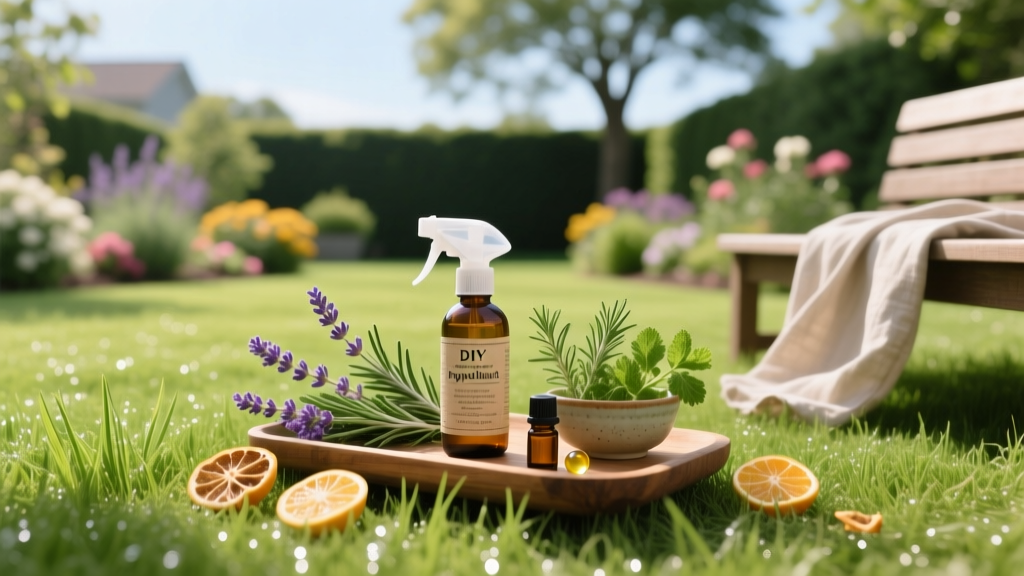
Effective Natural Repellent for Fleas: DIY Blends and Yard Treatments
The 95% Rule: Why Topical Repellents Fail Without Environmental Control
When addressing a flea infestation organically, homeowners often make a critical error: focusing exclusively on the pet. According to the Centers for Disease Control and Prevention (CDC), adult fleas living on your dog or cat represent only about 5% of the total flea population. The remaining 95% exist as eggs, larvae, and pupae hidden in your carpet, upholstery, and yard soil. An effective natural repellent for fleas must therefore be a two-pronged approach combining pet-safe topical deterrents with aggressive, chemical-free environmental eradication.
Formulating a Dog-Safe Natural Repellent for Fleas
Essential oils can disrupt the olfactory receptors of fleas, masking the carbon dioxide and lactic acid signatures they use to locate hosts. However, formulating these blends requires strict adherence to veterinary safety guidelines.
CRITICAL FELINE WARNING: Cats lack the liver enzyme glucuronyl transferase, which is required to metabolize certain compounds found in essential oils. Oils such as peppermint, eucalyptus, tea tree, citrus, and pine are highly toxic to felines and can cause fatal hepatic failure. The ASPCA Animal Poison Control strongly advises against using essential oil sprays in households with cats. If you have cats, skip topical essential oils entirely and rely on the environmental controls detailed below.
The Atlas Cedarwood & Lemongrass Spray Recipe (Dogs Only)
Cedarwood oil (Cedrus atlantica) contains cedrol, a natural insecticide that dehydrates fleas on contact, while lemongrass acts as a powerful olfactory deterrent. This recipe yields approximately 3 ounces of spray, costing roughly $4 to produce compared to $45 for a commercial chemical preventative.
- Base: 2 oz distilled water and 1 oz alcohol-free witch hazel (acts as an emulsifier).
- Active Ingredients: 12 drops Atlas Cedarwood essential oil and 5 drops Lemongrass essential oil.
- Application: Combine in a dark amber glass spray bottle. Shake vigorously before each use. Mist lightly onto the dog’s bedding, bandana, or the fur around the base of the tail. Avoid the face, eyes, and mucous membranes. Reapply every 48 hours or after the dog swims.
Yard Eradication: Diatomaceous Earth vs. Beneficial Nematodes
To break the flea life cycle outdoors without synthetic pyrethroids or organophosphates, you must target the larval stage in your soil and turf. The two most effective organic methods are Food-Grade Diatomaceous Earth and Beneficial Nematodes.
Food-Grade Diatomaceous Earth (DE)
DE consists of fossilized aquatic organisms called diatoms. On a microscopic level, DE particles are razor-sharp and highly absorbent. When flea larvae crawl across treated soil or carpet, the DE lacerates their waxy exoskeleton and absorbs their bodily fluids, causing rapid desiccation. The Environmental Protection Agency (EPA) classifies food-grade DE as a minimum-risk pesticide when used correctly.
Application Specifics: You must purchase Food-Grade DE (amorphous silica). Never use Pool-Grade DE, which is calcined, contains crystalline silica, and is a severe respiratory hazard. Apply DE at a rate of 1 lb per 1,000 square feet using a hand-crank duster. Wear an N95 respirator during application to avoid inhaling fine particulates. DE is entirely ineffective when wet; you must reapply after any rainfall or heavy morning dew.
Beneficial Nematodes (Steinernema carpocapsae)
Nematodes are microscopic, unsegmented worms that actively hunt and parasitize flea pupae and larvae in the soil. Steinernema carpocapsae is the specific species proven most effective against Ctenocephalides felis (the cat flea, which is the most common flea found on both dogs and cats). Once inside the host, the nematodes release a bacteria that kills the flea within 48 hours.
Application Specifics: Purchase nematodes from a reputable biological control supplier; they are shipped live in a dormant state. A standard package containing 10 million nematodes costs between $35 and $45 and treats up to 2,000 square feet. Soil temperature must be above 55°F for them to survive. Apply at dusk or dawn, as UV radiation kills exposed nematodes. Water the lawn thoroughly before application to moisten the soil, spray the nematode solution using a hose-end sprayer, and water again immediately after to wash them into the thatch layer.
| Treatment Method | Cost per 1,000 sq ft | Efficacy Against Larvae | Primary Failure Mode |
|---|---|---|---|
| Food-Grade DE | $5 - $8 | High (Desiccation) | Neutralized by moisture/rain |
| Beneficial Nematodes | $18 - $22 | Very High (Parasitism) | UV exposure, soil temps below 55°F |
| Cedarwood Mulch | $30 - $40 | Moderate (Repellent only) | Decomposes, requires deep 3-inch layer |
Debunking Ineffective DIY Flea Myths
The internet is saturated with organic flea remedies that lack scientific backing and, in some cases, pose severe health risks to your pets.
- Apple Cider Vinegar (ACV) Sprays: While ACV slightly alters the pH of a dog’s skin, it does not repel or kill fleas. Relying on ACV during an active infestation will result in unchecked population growth.
- Garlic Supplements: Feeding garlic to dogs or cats to repel fleas is a dangerous myth. Allium species contain thiosulfate, which causes oxidative damage to red blood cells, leading to Heinz body anemia. The dose required to repel fleas is alarmingly close to the toxic threshold.
- Ultrasonic Plug-in Repellents: Multiple entomological studies have proven that high-frequency sound waves do not deter fleas, ticks, or mosquitoes. These devices offer zero measurable efficacy.
Your 14-Day Organic Flea Eradication Protocol
Follow this strict timeline to collapse the flea population naturally without resorting to isoxazolines or synthetic topicals.
- Day 1 (The Reset): Bathe your dog using a castile soap or a dedicated organic flea shampoo containing d-Limonene. Comb thoroughly with a fine-toothed metal flea comb, dipping the comb in soapy water after every stroke to drown captured adults.
- Day 2 (Environmental Strike): Wash all pet bedding, human bedding, and throw rugs in hot water (minimum 140°F) and dry on the highest heat setting for 45 minutes to kill pupae.
- Day 3 (Yard Treatment): Apply beneficial nematodes to shaded areas of your lawn, under decks, and around the perimeter of your home at dusk.
- Day 5 (Indoor Dusting): Lightly dust food-grade DE into carpet fibers and hard-floor crevices. Allow it to sit for 24 hours, then vacuum thoroughly. Immediately empty the vacuum canister into an outdoor trash bin.
- Day 7 to 14 (Maintenance): Apply the Cedarwood/Lemongrass spray to the dog’s bedding and bandana every 48 hours. Reapply DE to any dry, shaded outdoor areas where the dog frequently rests.
By combining targeted botanical repellents with biological soil treatments, you can achieve a 90%+ reduction in the flea population within two weeks, maintaining a chemical-free environment for your family and pets.

