
Pest Control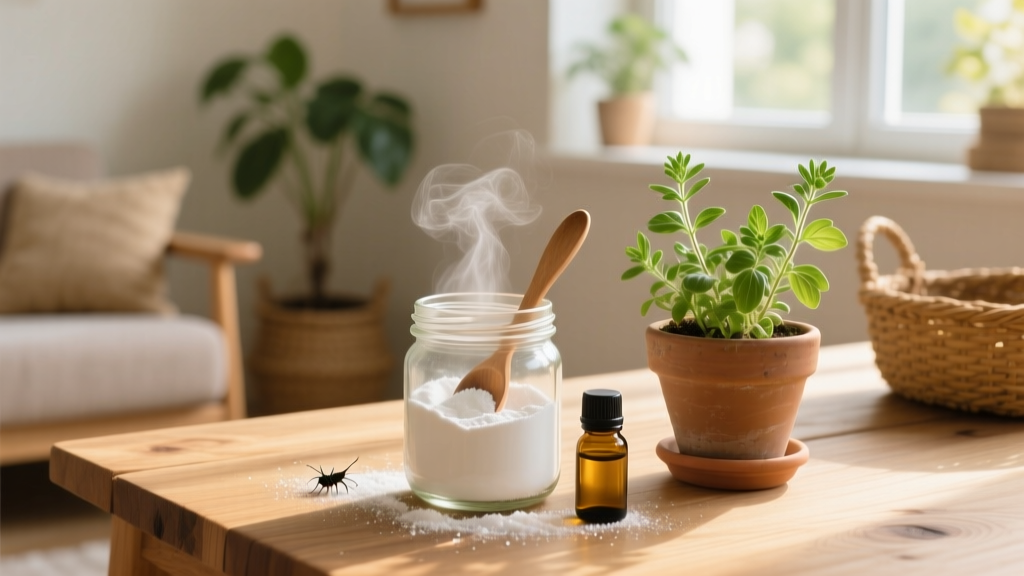
DIY How to Get Rid of Fleas in House Without Toxic Chemicals
The 5% Problem: Why Standard DIY Flea Treatments Fail
Most homeowners attempting a DIY how to get rid of fleas in house fail because they only target adult fleas. According to the Centers for Disease Control and Prevention, adult fleas constitute merely 5% of the total flea population in an infested home. The remaining 95% exists as eggs (50%), larvae (35%), and pupae (10%) hidden deep within carpet fibers and floorboard crevices. Chemical foggers and standard sprays rarely penetrate the pupal cocoon, leading to a predictable re-infestation cycle 14 to 21 days later. An effective organic protocol must disrupt the entire life cycle through mechanical, desiccant, and biological interventions.
Data Highlight: The Flea Population Bottleneck
- Adults (5%): Visible on pets and surfaces. Susceptible to botanical sprays and vacuuming.
- Pupae (10%): Encased in a sticky, chemical-resistant silk cocoon. Immune to most treatments; requires mechanical vibration to emerge.
- Larvae (35%): Photophobic, hiding in deep carpet. Feed on adult flea feces (flea dirt). Vulnerable to desiccants.
- Eggs (50%): Non-sticky, roll off pets into the environment. Hatch in 2-14 days depending on ambient temperature.
Phase 1: Mechanical Disruption (Days 1-3)
Before applying any organic desiccants, you must physically remove the existing biomass and force pupae to hatch.
The Beater-Bar Vacuum Protocol
Standard suction vacuums are insufficient. You must use an upright vacuum with a motorized beater bar. The physical vibration mimics the pressure and heat of a host animal, triggering pre-emerged adult fleas to break out of their pupal cocoons. Vacuum all carpets, rugs, and upholstery daily for three consecutive days. Pay special attention to baseboards and areas beneath furniture where pets sleep. Immediately after vacuuming, seal the vacuum bag or empty the canister into an exterior trash bin to prevent escape.
Thermal Eradication
Wash all pet bedding, removable slipcovers, and throw rugs in water heated to a minimum of 140°F (60°C) for at least 10 minutes. This thermal threshold is required to denature the proteins in flea eggs and larvae. Dry on the highest heat setting.
Phase 2: Desiccation & Biological Warfare (Days 4-14)
With the environment mechanically cleared, deploy organic desiccants to destroy the larval and newly hatched adult populations.
Food-Grade Diatomaceous Earth (DE)
Diatomaceous earth is composed of fossilized diatoms (amorphous silicon dioxide). Under a microscope, DE particles resemble microscopic shards of glass. When fleas crawl through the powder, the sharp edges lacerate their waxy exoskeleton, causing fatal dehydration within 24 to 48 hours. The National Pesticide Information Center notes that DE remains effective indefinitely as long as it stays dry.
Application Specifics:
- Grade: You must use Food-Grade DE (amorphous). Never use pool-grade DE, which is heat-treated into crystalline silica and poses severe inhalation risks.
- Rate: Apply a barely visible 1/8-inch layer using a specialized bellows hand duster. Clumping reduces efficacy.
- Safety: Wear an N95 respirator during application. While food-grade DE is non-toxic if ingested, inhaling fine silica dust irritates the respiratory tract.
- Duration: Leave the powder undisturbed for 48 hours, then vacuum thoroughly.
- Failure Mode: DE loses its desiccant properties in environments with relative humidity above 65%. If you live in a humid climate, run a dehumidifier to drop indoor humidity below 50% before application.
Biological Perimeter Control: Beneficial Nematodes
Indoor infestations are continuously fed by outdoor reservoirs. To break the cycle, treat the yard perimeter where pets roam using Steinernema carpocapsae, a species of entomopathogenic beneficial nematode. These microscopic worms actively seek out flea larvae in the soil, entering their bodies and releasing bacteria that kill the host within 48 hours. A standard application rate is 1 million nematodes per 1,000 square feet, costing approximately $25 to $35 in 2026. Apply at dusk to avoid UV degradation, and water the soil immediately to wash the nematodes below the surface.
Organic Arsenal Comparison Matrix
| Treatment | Target Stage | Est. Cost (2026) | Efficacy | Primary Limitation |
|---|---|---|---|---|
| Food-Grade DE | Larvae, Adults | $15 (4 lb bag) | High | Useless above 65% humidity |
| S. carpocapsae Nematodes | Outdoor Larvae, Pupae | $30 (1M count) | Very High | Requires moist soil, UV sensitive |
| Cedarwood Oil Spray | Adults (Repellent) | $22 (16 oz bottle) | Moderate | Highly toxic to felines |
| Flea Traps (Light/Sticky) | Adults | $18 (Unit + refills) | Low | Only monitors, does not eradicate |
Phase 3: The Botanical Repellent Barrier
Once the active infestation is broken, establish a botanical barrier to deter surviving adults. Cedarwood oil contains octanol and cedrol, compounds that disrupt the octopamine receptors in insects, leading to neurological failure and death. However, essential oils do not mix with water. You must use an emulsifier.
DIY Cedarwood Spray Recipe:
- Combine 2 ounces of witch hazel (or 1 tsp of Polysorbate 20) with 14 ounces of distilled water in a spray bottle.
- Add 40 drops of pure cedarwood essential oil and 20 drops of lemongrass oil.
- Shake vigorously before every use to maintain the emulsion.
- Mist lightly over baseboards, pet beds, and carpet edges weekly.
⚠️ CRITICAL FELINE TOXICITY WARNING
Cats lack the glucuronyl transferase enzyme in their livers, making them unable to metabolize the phenols and terpenes found in cedarwood, lemongrass, and peppermint oils. If you have cats in the home, do not use essential oil sprays. Rely strictly on DE, nematodes, and mechanical vacuuming. For dog-only households, these botanical sprays are safe once dried.
Troubleshooting: When the Organic Protocol Stalls
If you are still seeing fleas after 21 days of strict protocol adherence, evaluate these common failure vectors:
- The Wildlife Vector: Mice, rats, or squirrels in the attic or crawlspace are dropping flea eggs through floorboards. Inspect for droppings and seal exterior entry points with copper mesh.
- The Untreated Pet: Organic environmental control fails if the host animal is not treated. While you cannot use chemical spot-on treatments in an organic protocol, use a high-quality flea comb daily, dipping the comb in soapy water between strokes to drown captured fleas.
- Micro-Climate Humidity: Basements and crawlspaces often harbor 70%+ humidity, rendering DE useless. Install a standalone dehumidifier in these zones to drop humidity below 50%, which naturally desiccates flea larvae.
Frequently Asked Questions
Does baking soda kill fleas?
No. While Penn State Extension and other entomology departments note that baking soda can absorb odors, it lacks the microscopic sharp edges required to lacerate a flea's exoskeleton. It is largely ineffective as a standalone desiccant compared to diatomaceous earth.
How long does the organic protocol take to work?
Expect a 21 to 28-day timeline. Because you are not using chemical insect growth regulators (IGRs) to instantly sterilize eggs, you must wait for the existing pupae to hatch, encounter the DE or botanical sprays, and die before the cycle is fully broken.
Can I use salt instead of diatomaceous earth?
Finely ground salt can act as a desiccant, but it requires massive quantities, damages carpet fibers, and is highly corrosive to hardwood floors and subflooring nails. Food-grade DE is vastly superior, safer for your home's infrastructure, and more lethal to insects at a fraction of the volume.

