
Pest Control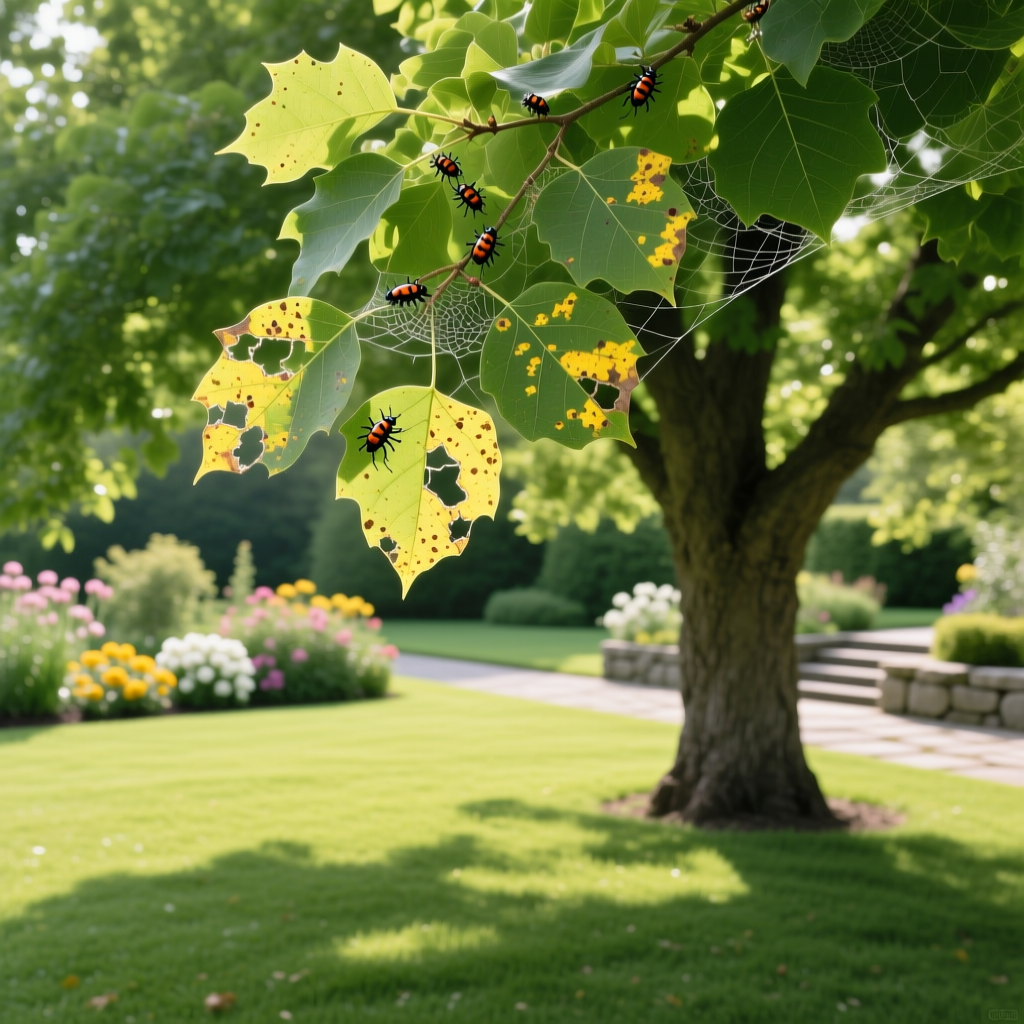
DIY Strategies for Managing Elm Leaf Beetle Damage on Shade Trees
David ParkPublished
Shade trees are the backbone of a beautiful, comfortable landscape. They cool your yard, boost curb appeal, and provide sanctuary for wildlife. Few things are more frustrating for a homeowner than watching the lush canopy of an elm tree turn brown and skeletal in the middle of the growing season. The elm leaf beetle (Xanthogaleruca luteola) is one of the most destructive pests targeting elm species across North America, Europe, and parts of Australia. Left unchecked, these small insects can defoliate entire trees, weakening them year after year until they become vulnerable to disease and secondary infestations.
The good news is that you do not always need to hire an expensive tree service to fight back. With the right knowledge, a few common garden supplies, and consistent monitoring, you can manage elm leaf beetle populations and protect your shade trees using do-it-yourself strategies. This guide walks you through everything you need to know—from identifying the beetle and its damage to implementing hands-on control methods and knowing when it is time to call in the professionals.
Identifying the Elm Leaf Beetle and Recognizing Damage
Before you can fight an enemy, you need to know what you are dealing with. The elm leaf beetle goes through several life stages, and each one looks different. Understanding these stages helps you time your interventions for maximum impact.
Adult Beetles
Adult elm leaf beetles are small, measuring roughly one-quarter of an inch long. They have a yellowish-green to olive-green body with distinctive dark stripes running along the outer edges of their wing covers. A dark triangle shape is often visible where the wing covers meet at the back. Adults are active in spring when they emerge from overwintering sites—often inside garages, sheds, attics, and under bark—to feed on new elm foliage and lay eggs.
Eggs
Females deposit clusters of small, spindle-shaped eggs on the undersides of elm leaves. These eggs start out yellow and gradually darken to an orange-brown color as they mature. A single female can lay hundreds of eggs over her lifetime, typically in batches of 25 or more. Eggs hatch within about a week to ten days depending on temperature.
Larvae
The larvae are the most damaging stage. They are small, dark, and somewhat slug-like, with black heads and bodies that range from yellow to dark brown. Black tubercles (small bumps) dot their backs. Larvae feed voraciously on leaf tissue for two to three weeks before dropping to the ground or moving to bark crevices to pupate.
Recognizing the Damage
Elm leaf beetle damage is distinctive once you know what to look for. Both adults and larvae skeletonize leaves, meaning they eat the soft tissue between the veins, leaving behind a lace-like network of brown, dried veins. In severe infestations, affected leaves turn completely brown, curl up, and drop prematurely. By mid-summer, a heavily infested tree may look like it is already in autumn—or worse, like it is dead.
It is important not to confuse elm leaf beetle damage with other common tree problems. Dutch elm disease, for example, causes wilting and yellowing that starts in the upper crown and moves downward, while elm leaf beetle damage tends to appear throughout the canopy and is characterized by that unmistakable skeletonized pattern. If you are unsure about what is affecting your trees, consult our common tree pests identification guide for a broader overview of landscape threats.
Prevention Strategies to Protect Your Elm Trees
The best approach to elm leaf beetle management is prevention. Healthy, well-maintained trees are naturally more resistant to pest damage, and proactive measures can keep beetle populations from reaching destructive levels in the first place.
Choose Resistant Elm Varieties
If you are planting new trees or replacing ones that have been lost, consider selecting elm varieties with known resistance to beetle feeding. Certain cultivars, such as ‘Valley Forge,’ ‘New Harmony,’ and ‘Princeton,’ have shown greater tolerance to elm leaf beetle damage. Asian elm species like the lacebark elm (Ulmus parvifolia) and Siberian elm (Ulmus pumila) also tend to be less preferred by the beetle compared to the American elm (Ulmus americana) or English elm (Ulmus procera).
Maintain Tree Health
A stressed tree is a magnet for pests. Proper watering, mulching, and fertilization go a long way in keeping your elms vigorous enough to tolerate and recover from beetle feeding. Deep, infrequent watering is far better than shallow daily sprinklings. Apply a layer of organic mulch around the base of the tree—keeping it a few inches away from the trunk—to retain moisture and regulate soil temperature. For detailed guidance on keeping your landscape healthy, check out our seasonal tree and shrub care guide.
Seal Overwintering Entry Points
Adult elm leaf beetles seek sheltered places to spend the winter, and they frequently invade homes, sheds, and outbuildings. Seal cracks around windows, doors, foundation gaps, and utility penetrations with caulk or weatherstripping. This not only keeps beetles out of your living spaces but also reduces the number of adults that emerge near your trees in spring. Repair damaged window screens and install door sweeps where gaps exist.
Clean Up Fallen Leaves and Debris
Elm leaf beetles pupate in protected areas near the base of host trees, including in leaf litter and loose bark. Raking and removing fallen elm leaves in autumn and early spring disrupts the beetle’s life cycle by eliminating pupation sites. Dispose of the collected leaves in sealed bags rather than adding them to a compost pile, where pupae may survive and re-emerge. Keeping the area around your trees tidy is one of the simplest yet most effective cultural controls available. Our fall yard cleanup checklist covers additional best practices for seasonal debris management.
Monitor Trees Regularly
Inspect your elm trees at least once a week during the growing season, paying close attention to the undersides of leaves where eggs and larvae congregate. Early detection means you can intervene before populations explode. Use a magnifying glass if necessary, and keep a record of what you observe so you can track trends from season to season.
DIY Treatment Solutions for Elm Leaf Beetle Control
When prevention alone is not enough, a range of do-it-yourself treatments can help bring elm leaf beetle populations under control. The key is to match your approach to the beetle’s life stage and the severity of the infestation.
Hand-Picking and Mechanical Removal
For small trees or light infestations, physically removing beetles and larvae is surprisingly effective. Shake branches over a bucket of soapy water to dislodge adults and larvae, or pick them off by hand while wearing garden gloves. Focus on the undersides of leaves where larvae feed in clusters. This method requires patience and consistency, but it eliminates pests without any chemical inputs. It is especially practical for young or newly planted elms that are still within arm’s reach.
Horticultural Oils and Insecticidal Soaps
Horticultural oils and insecticidal soaps are among the most accessible and environmentally responsible options for DIY pest control. These products work by suffocating soft-bodied larvae on contact. Mix according to label directions and spray thoroughly, making sure to coat the undersides of leaves where larvae are feeding. Repeat applications every seven to ten days during peak larval activity for best results.
One important caveat: these products have no residual effect, meaning they only kill insects that are directly sprayed. They also should not be applied during the hottest part of the day or when temperatures exceed 90°F, as this can cause leaf burn. Always test a small area of foliage first and wait 24 hours to check for phytotoxicity before treating the entire tree.
Neem Oil Applications
Neem oil, derived from the seeds of the neem tree (Azadirachta indica), is a botanical insecticide that disrupts the feeding, growth, and reproduction of elm leaf beetles. It acts as both a repellent and a growth regulator, making it particularly useful against larvae. Mix cold-pressed neem oil with water and a small amount of mild liquid soap (as an emulsifier) and apply with a pump sprayer in the early morning or late evening to avoid sun damage to leaves.
Neem oil degrades relatively quickly in sunlight, so reapply every seven to fourteen days during active beetle seasons. It is considered safe for beneficial insects when used as directed, since it primarily affects insects that chew on treated foliage rather than those that simply land on it.
Spinosad-Based Products
Spinosad is a naturally derived insecticide produced by a soil-dwelling bacterium. It is highly effective against leaf-feeding larvae and has a relatively low impact on beneficial insects once it has dried on the leaf surface. Spinosad products are widely available at garden centers and can be applied as a foliar spray. Larvae that ingest treated foliage stop feeding within hours and die within one to two days.
Apply spinosad when larvae are first observed and reapply according to label instructions, typically at seven-day intervals. Avoid spraying when bees are actively foraging, as wet spinosad can be harmful to pollinators. Once the spray has dried, the risk to bees drops significantly.
Sticky Bands and Trunk Barriers
Because elm leaf beetle larvae crawl down the trunk to find pupation sites, you can intercept them with sticky bands wrapped around the tree’s trunk. Apply a band of duct tape or fabric tree wrap at chest height, then coat it with a sticky substance such as Tanglefoot or a similar horticultural adhesive. This traps larvae as they descend and prevents them from reaching the soil or bark crevices where they would pupate.
Check the bands weekly and replace them when they become full of trapped insects or debris. This method works best in combination with other treatments, as it targets only one stage of the beetle’s life cycle. It is an excellent complement to foliar sprays and can significantly reduce the number of adults that emerge later in the season.
Encouraging Natural Predators
Nature has its own pest control agents, and you can put them to work in your yard. Several beneficial insects prey on elm leaf beetles, including ladybugs, lacewings, parasitic wasps, and predatory stink bugs. You can attract these allies by planting a diverse range of flowering plants—especially those with small, nectar-rich blooms like yarrow, dill, fennel, and alyssum—near your elm trees.
Avoid using broad-spectrum insecticides that kill beneficial insects along with the pests. If you do need to spray, choose targeted products like Bt (Bacillus thuringiensis), spinosad, or insecticidal soap that have minimal impact on non-target species. A biodiverse yard is a resilient yard. For more tips on building a healthy landscape ecosystem, explore our organic lawn care basics guide.
Seasonal Treatment Calendar for Elm Leaf Beetle Management
Timing is everything in pest management. The elm leaf beetle typically produces two generations per year in most climates, and sometimes three in warmer regions. Aligning your treatments with the beetle’s life cycle dramatically improves your results.
Early Spring
As temperatures warm, adult beetles emerge from overwintering sites and fly to elm trees to feed on newly emerging leaves. This is the time to inspect trees for adult activity and apply sticky bands to trunks. If you see significant adult feeding, a targeted spray of neem oil or insecticidal soap can reduce egg-laying before the first generation of larvae appears.
Late Spring to Early Summer
The first generation of eggs hatches, and larvae begin feeding. This is the most critical window for treatment. Monitor leaf undersides closely and begin spraying with spinosad, neem oil, or insecticidal soap as soon as larvae are detected. Repeat applications at the recommended intervals to catch any larvae that hatch after your initial treatment.
Mid-Summer
The second generation of eggs hatches, and larvae feed aggressively. Continue monitoring and spraying as needed. Sticky bands should be checked and refreshed. If defoliation is already severe, focus on helping the tree recover with deep watering and light fertilization rather than heavy chemical intervention. Our summer tree watering tips can help you keep stressed trees hydrated during the hottest months.
Late Summer to Autumn
Adults of the final generation begin seeking overwintering shelter. Seal entry points on buildings, remove and dispose of fallen leaves, and clean up debris around the base of elm trees. This end-of-season cleanup is one of the most impactful things you can do to reduce next year’s beetle population.
When to Call a Professional for Elm Leaf Beetle Control
DIY methods are powerful, but there are situations where professional help is the smarter choice. Knowing when to make that call can save you time, money, and the tree itself.
Large, Mature Trees
If your elm tree is 40 feet tall or more, thoroughly spraying the canopy with a pump sprayer is practically impossible for a homeowner. Professional arborists have access to high-pressure spray equipment and trunk injection systems that deliver insecticides directly into the tree’s vascular system. Systemic treatments like emamectin benzoate or imidacloprid can provide season-long protection with a single application, something that is difficult to replicate with DIY products.
Severe or Repeated Defoliation
If your tree has been heavily defoliated for two or more consecutive seasons, it is under significant stress and may be declining. A certified arborist can assess the tree’s overall health, check for secondary problems like borers or fungal diseases, and recommend a comprehensive treatment plan. Repeated defoliation depletes a tree’s energy reserves and can eventually lead to death, so early professional intervention is worthwhile.
Neighborhood-Wide Infestations
Elm leaf beetles are mobile, and treating your tree in isolation may not be enough if neighboring properties have untreated elms that serve as reservoirs for reinfestation. In these cases, a coordinated neighborhood approach—possibly facilitated by a professional pest management company or local extension service—yields far better results than individual efforts alone.
Uncertainty About Diagnosis
If you are not confident that elm leaf beetles are the cause of your tree’s decline, a professional diagnosis can prevent you from wasting time and money on the wrong treatment. Other issues like elm leaf miner, elm sawfly, Dutch elm disease, and even abiotic stress from drought or soil compaction can produce symptoms that mimic beetle damage. Our tree disease and pest identification resource can help you narrow down the possibilities before you call in help.
Frequently Asked Questions
Will elm leaf beetles kill my tree?
Elm leaf beetles rarely kill a tree in a single season. However, repeated severe defoliation over multiple years weakens the tree by reducing its ability to photosynthesize and store energy. A chronically stressed elm becomes susceptible to secondary pests like elm bark beetles, which can transmit Dutch elm disease—a far more lethal threat. Managing beetle populations consistently is the best way to protect your tree’s long-term health.
Can I use neem oil on all types of elm trees?
Neem oil is generally safe for most elm species when applied according to label directions. However, some trees may be more sensitive to oil-based sprays, especially during hot weather or drought conditions. Always perform a spot test on a few leaves and wait 24 hours before treating the entire tree. Avoid applying neem oil when temperatures exceed 90°F or when the tree is already under significant water stress.
How do I get rid of elm leaf beetles that come inside my house in winter?
Adult elm leaf beetles often enter homes in autumn to overwinter. The best approach is exclusion: seal cracks, gaps, and entry points before cold weather arrives. For beetles that are already inside, vacuum them up and dispose of the bag or canister contents outdoors. Avoid crushing them, as they can leave stains. Insecticide sprays are generally not recommended for indoor use against overwintering beetles, as the insects are largely dormant and the chemicals pose unnecessary exposure risks inside your home.
Are there any natural predators I can introduce to control elm leaf beetles?
Yes. Ladybugs and green lacewings are generalist predators that will feed on elm leaf beetle eggs and young larvae. You can purchase live ladybugs and lacewing eggs from garden supply stores and release them near infested trees. For the best results, release them in the evening after lightly misting the tree with water, which encourages them to stay. Parasitic wasps in the family Eulophidae also parasitize elm leaf beetle larvae naturally, and maintaining a diverse planting scheme helps sustain their populations.
What is the most effective DIY spray for elm leaf beetle larvae?
Spinosad is widely considered the most effective DIY spray for elm leaf beetle larvae. It is naturally derived, fast-acting, and provides a short residual effect that continues to kill larvae for several days after application. Insecticidal soaps and neem oil are also effective but require more thorough coverage and more frequent reapplication since they have no residual activity. For the best results, combine foliar sprays with trunk bands and cultural controls like leaf cleanup to attack the beetle at multiple life stages.
Should I remove a heavily infested elm tree?
Removal should be a last resort. Even severely defoliated elms can recover with proper care, including deep watering, mulching, and targeted pest management. However, if the tree is in advanced decline—showing significant dieback in the crown, extensive bark damage, or signs of Dutch elm disease—removal may be the safest option to prevent the tree from becoming a hazard or a breeding ground for disease-carrying beetles. Consult a certified arborist for an on-site evaluation before making a final decision. For guidance on what to plant as a replacement, browse our best shade trees for your yard guide.
Final Thoughts on Managing Elm Leaf Beetles
Elm leaf beetles are a persistent threat, but they are far from invincible. By combining vigilant monitoring, smart cultural practices, and targeted DIY treatments, you can keep these pests in check and preserve the beauty and shade your elm trees provide. Start with prevention—choose resistant varieties, maintain tree health, and keep the area around your trees clean. When beetles do appear, respond quickly with mechanical removal, botanical sprays, and trunk barriers timed to the insect’s life cycle.
Remember that pest management is an ongoing process, not a one-time fix. Consistency and patience are your greatest allies. With the strategies outlined in this guide, you have the tools to protect your shade trees season after season, keeping your landscape healthy, green, and welcoming for years to come. For more tips on maintaining a thriving yard, explore our complete pest control resource library and lawn care guides.

