
Pest Control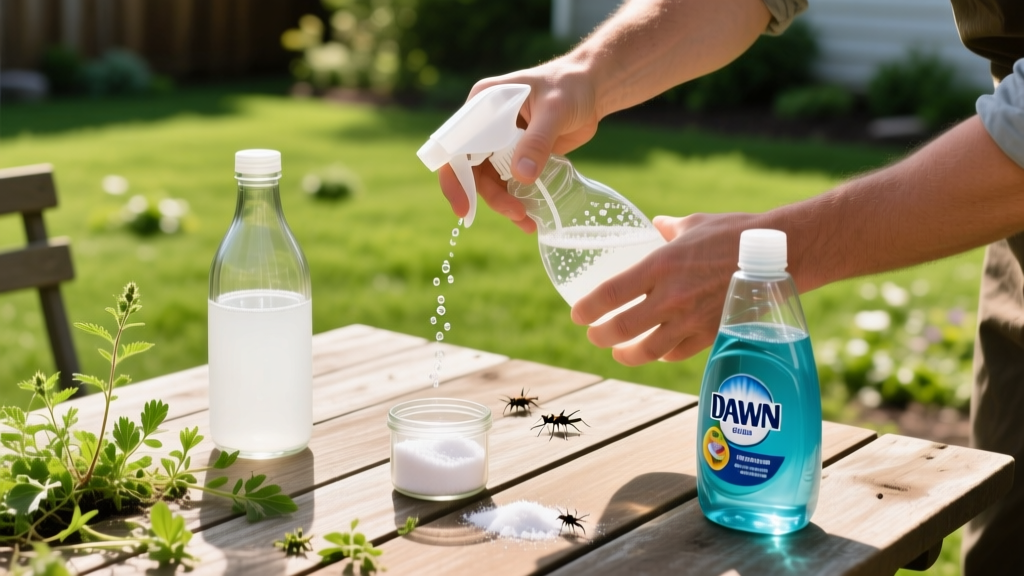
DIY Weed Killer Using Vinegar Salt and Dawn: Recipe & Soil Risks
The Chemistry Behind the Viral DIY Herbicide
Homeowners seeking organic lawn care often turn to pantry staples to avoid synthetic chemicals like glyphosate. The most popular homemade recipe is a weed killer using vinegar, salt, and Dawn dish soap. While this combination is highly effective at burning down unwanted vegetation, it is fundamentally misunderstood by most DIY gardeners. To use it safely and effectively in 2026, you must understand the distinct chemical role each ingredient plays—and the severe, long-term consequences it can have on your soil ecology.
This mixture relies on a three-pronged attack mechanism:
- Acetic Acid (Vinegar): Acts as a contact desiccant. It rapidly draws moisture out of plant cells, rupturing the cell membranes and causing the foliage to collapse within hours.
- Sodium Chloride (Table Salt): Creates severe osmotic stress. When absorbed by the roots or washed into the soil, it reverses the osmotic gradient, preventing the plant from taking up water and essentially dehydrating it from the inside out.
- Dawn Dish Soap (Surfactant): Weed leaves are coated in a waxy cuticle designed to repel water. Soap acts as a non-ionic surfactant, breaking the surface tension of the liquid so the acidic solution spreads evenly and penetrates the leaf tissue rather than beading up and rolling off.
Why Standard Kitchen Vinegar Fails
The most common mistake homeowners make is using standard 5% acidity white vinegar from the grocery store. While 5% acetic acid will burn the tops off young, tender weed seedlings, it will not kill the taproot of a mature dandelion, thistle, or bindweed. The plant will simply regenerate from the root system within a week. According to the University of California Integrated Pest Management (UC IPM) program, effective organic acid-based herbicides require concentrations of 20% to 30% acetic acid to achieve reliable top-growth kill on mature broadleaf weeds.
The Exact Heavy-Duty Recipe
Yield: 1 Gallon | Cost: ~$4.50 per gallon (excluding initial vinegar purchase)
- 1 Gallon of 20% to 30% Horticultural Vinegar (Available at hardware stores or online; typically $25–$35 per gallon).
- 1 Cup of standard Table Salt (NaCl). Do not use Epsom salt (Magnesium Sulfate), as it introduces excess magnesium which can disrupt soil calcium balance.
- 2 Tablespoons of Dawn Ultra Dish Soap (The concentrated blue formula works best as a surfactant).
Mixing Order: Pour the vinegar into a plastic or polyethylene pump sprayer first. Add the salt and shake vigorously until fully dissolved. Add the Dawn soap last to prevent excessive foaming, then swirl gently to combine.
Crucial Safety and Application Protocol
Horticultural vinegar at 20% to 30% concentration is not a harmless kitchen ingredient; it is a potent chemical irritant. The Environmental Protection Agency (EPA) classifies high-concentration acetic acid as a corrosive substance that can cause severe skin burns and permanent eye damage. Always wear nitrile gloves, long sleeves, and ANSI-approved safety goggles when mixing and spraying.
Timing and Weather Constraints
Because this is a contact herbicide with no systemic root-killing action, environmental conditions dictate its success rate. You must apply this solution under specific parameters:
- Time of Day: Spray between 10:00 AM and 2:00 PM. The intense midday UV radiation and heat accelerate the desiccation process.
- Temperature Threshold: Air temperatures must be above 70°F (21°C). Below this threshold, the acetic acid reaction slows down significantly, allowing the weed time to compartmentalize the damage.
- Moisture Status: Do not spray if rain is forecasted within 24 hours, or if the weeds are currently wet from morning dew. Water dilutes the acid and washes the surfactant off the leaf cuticle before it can penetrate.
DIY Mix vs. Commercial Herbicides: A Data Comparison
How does this homemade concoction stack up against commercial organic and synthetic options? Below is a cost and efficacy matrix based on current 2026 market pricing and agronomic data.
| Herbicide Type | Active Ingredient | Cost per Gallon | Speed of Kill | Root Kill Efficacy |
|---|---|---|---|---|
| DIY Vinegar/Salt/Dawn | 20-30% Acetic Acid + NaCl | $4.50 (after initial $30 vinegar buy) | 2 to 6 hours | Low (Top-growth only) |
| Commercial Organic (e.g., Avenger) | 70% d-Limonene (Citrus Oil) | $28.00 - $35.00 | 1 to 3 hours | Low (Top-growth only) |
| Synthetic Systemic (e.g., Roundup) | 41% Glyphosate | $18.00 - $22.00 | 7 to 14 days | High (Kills taproot) |
The Soil Sterilization Warning: Why Salt is a Double-Edged Sword
⚠️ Critical Soil Warning
Sodium chloride does not break down, degrade, or evaporate. When you spray a salt-based weed killer, the salt eventually washes into the soil profile. Sodium ions displace calcium and magnesium on the soil's cation exchange sites, a process called sodification. This destroys soil structure, causing clay particles to bind tightly together (flocculation), which eliminates pore space, prevents water infiltration, and creates a hardpan crust. In high concentrations, it acts as a total soil sterilant, meaning nothing will grow in that spot for years.
Decision Framework: Where to Spray and Where to Avoid
Because of the soil sterilization risk, this specific recipe is not a blanket solution for the entire yard. Use this framework to determine where to deploy it.
Ideal Use Cases (Hardscapes Only)
- Driveway and Sidewalk Cracks: The concrete or asphalt barrier prevents the salt from migrating into your lawn's root zone.
- Patio Pavers and Gravel Paths: Excellent for keeping joints clear of creeping charlie or crabgrass.
- Fence Lines and Alleyways: Areas where no future planting is planned and soil health is irrelevant.
Strict Avoidance Zones
- Vegetable Garden Beds: Salt accumulation will ruin the soil ecology and stunt future crop yields.
- Lawn Spot Treatments: It will kill the desirable turfgrass and leave a barren, salty patch of dirt that will resist reseeding.
- Near Tree Drip Lines: The shallow feeder roots of desirable ornamental trees will absorb the sodium, leading to leaf scorch and branch dieback.
The Garden Bed Alternative
If you need an organic contact herbicide for use inside garden beds or near desirable plants, omit the salt entirely. Substitute the salt with 1 cup of boiling water applied directly to the weed crown immediately after spraying the vinegar/soap mixture. Alternatively, switch to a commercial d-Limonene (citrus oil) based herbicide, which strips the waxy cuticle off the leaves without leaving toxic residual salts in the soil microbiome.
Frequently Asked Questions
Will this mixture kill Bermuda grass or deep-rooted perennials?
No. Because acetic acid and salt are strictly contact herbicides, they only destroy the tissue they physically touch. Perennial weeds with extensive rhizome networks (like Bermuda grass, nutsedge, or field bindweed) will burn back to the soil line but will aggressively resprout from the surviving root system within 10 to 14 days. Repeated applications every two weeks will eventually exhaust the root's carbohydrate reserves, but it requires immense labor.
Does the Dawn soap harm the soil microbiome?
In the small quantities used (2 tablespoons per gallon), biodegradable dish soaps like Dawn will break down rapidly in the soil and do not cause long-term harm to beneficial mycorrhizal fungi or earthworms. The primary ecological threat in this recipe is the sodium chloride, not the surfactant.
Can I use apple cider vinegar instead of white horticultural vinegar?
Apple cider vinegar typically maxes out at 5% to 6% acidity. It lacks the necessary chemical concentration to melt the cuticle of mature weeds. Furthermore, it is significantly more expensive per ounce than bulk horticultural white vinegar. Stick to 20% or 30% white vinegar for agronomic efficacy.

