Pest Control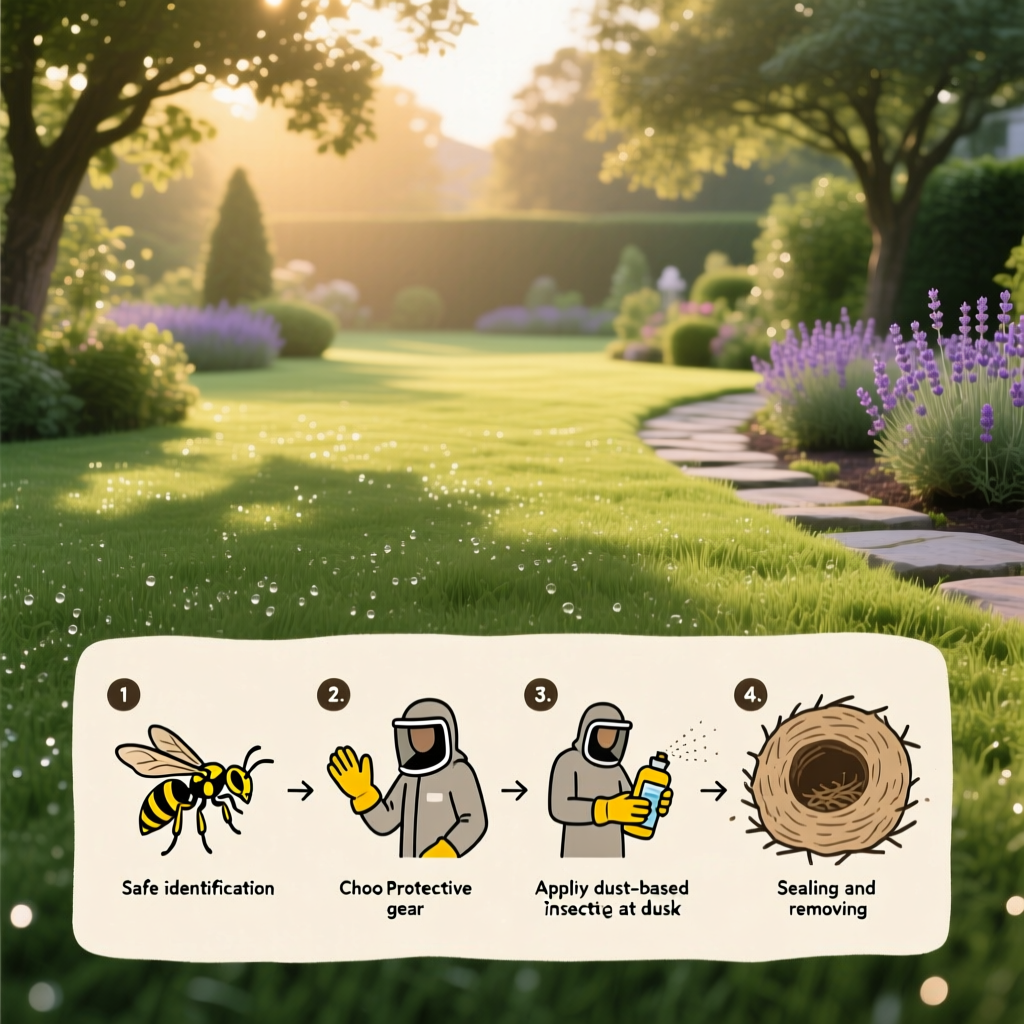
DIY Yellowjacket Nest Removal: Safely Eliminate Nests
DIY Yellowjacket Nest Removal: Safely Eliminate Nests Without Professional Help
Few things can ruin a peaceful afternoon in your yard faster than a swarm of angry yellowjackets. These aggressive stinging insects are far more confrontational than honeybees or paper wasps, and they will defend their nests with alarming ferocity. If you have spotted a yellowjacket nest on your property — whether it is tucked under an eave, buried in the ground, or hidden inside a wall void — you may be wondering whether you can handle the problem yourself before resorting to expensive professional pest control services.
The good news is that many yellowjacket nests can be removed safely using do-it-yourself methods, provided you take the right precautions and use the correct techniques. This comprehensive guide walks you through everything you need to know about identifying yellowjackets, locating their nests, choosing the right treatment approach, and preventing future infestations. By the end, you will have the knowledge and confidence to tackle a yellowjacket problem on your own — and the wisdom to know when it is time to call in a professional.
Before we dive into removal methods, it is worth noting that yellowjackets play a role in the ecosystem by preying on garden pests. If a nest is located far from high-traffic areas of your yard and is not posing an immediate threat, you may consider leaving it alone. However, if the nest is near doorways, patios, play areas, or anywhere people frequently gather, removal is strongly recommended for the safety of your family and pets.
Identifying Yellowjackets and Locating Their Nests
Before you attempt any removal, you need to confirm that you are dealing with yellowjackets and not another type of stinging insect. Misidentification can lead to the wrong treatment approach and unnecessary risk.
What Yellowjackets Look Like
Yellowjackets are often confused with bees and other wasps, but there are several distinguishing features to look for:
- Color pattern: Yellowjackets have bright yellow and black alternating bands on their abdomens. Their coloring is vivid and sharply defined compared to the more muted tones of many bee species.
- Body shape: They have a distinctly narrow "waist" (the petiole) connecting the thorax and abdomen, giving them a sleek, segmented appearance.
- Size: Adult workers typically measure between 0.4 and 0.6 inches in length.
- Behavior: Yellowjackets are fast, erratic flyers and are notably more aggressive than honeybees. They are attracted to sugary foods, meats, and garbage, which is why they are common nuisance pests at outdoor gatherings.
Unlike honeybees, yellowjackets can sting repeatedly without dying. This single fact makes them considerably more dangerous, especially for anyone who encounters a nest unexpectedly. If you have been dealing with other stinging insects on your property, our pest control guides can help you identify and manage a wide range of lawn and garden pests.
Types of Yellowjacket Nests
Yellowjackets build nests in a variety of locations, and knowing where to look is half the battle. The three most common nest sites include:
- Aerial nests: These are typically found under eaves, in attics, beneath decks, or hanging from tree branches. Aerial nests have a papery gray exterior with a single entrance hole.
- Ground nests: Many yellowjacket species prefer to nest underground, often taking over abandoned rodent burrows. You may notice a steady stream of yellowjackets entering and exiting a small hole in the ground, particularly in bare or thin patches of your lawn.
- Wall void nests: Yellowjackets sometimes build nests inside wall cavities, entering through small cracks or gaps in siding. These are among the most difficult to treat because the nest itself is inaccessible.
To locate a nest, observe yellowjacket flight patterns during the day. Watch from a safe distance and note the direction the insects are traveling. Yellowjackets fly in relatively straight lines between their food sources and the nest, so tracking their comings and goings will usually lead you directly to the colony entrance.
Estimating Colony Size
Yellowjacket colonies can range from a few hundred to several thousand individuals by late summer. A small nest with light traffic may be manageable with DIY methods, but a large, well-established colony with heavy traffic requires extra caution. If you observe dozens of yellowjackets entering and exiting a nest every minute, you are likely dealing with a mature colony, and you should seriously consider whether DIY removal is appropriate for your situation.
Essential Safety Precautions Before You Begin
Safety must be your top priority when dealing with yellowjackets. A single disturbance can trigger a mass attack, and the consequences can be severe — especially if you are allergic to stings. Follow these critical safety steps before attempting any removal method.
Wear Proper Protective Clothing
You should never approach a yellowjacket nest without adequate protection. At a minimum, wear the following:
- Thick, layered clothing: Multiple layers of heavy fabric help prevent stingers from reaching your skin. Tuck pant legs into boots and secure sleeve cuffs with tape or rubber bands.
- A bee veil or netted hat: Protecting your face and neck is essential. A bee veil provides a mesh barrier that keeps yellowjackets away from your head while preserving visibility.
- Heavy gloves: Leather or thick rubber gloves protect your hands, which are likely to be closest to the nest during treatment.
- Eye protection: Safety goggles prevent yellowjackets from flying into your eyes during the approach.
- Closed-toe boots: Avoid sandals or open shoes, especially when treating ground nests.
Plan Your Escape Route
Before you approach the nest, identify a clear path to a safe, enclosed space — such as your house, garage, or vehicle. Yellowjackets can pursue threats for considerable distances, so you need to be able to retreat quickly. Make sure doors and windows along your escape route are open and unobstructed before you begin treatment.
Time Your Treatment Correctly
The best time to treat a yellowjacket nest is at night or in the very early morning hours before dawn. During these periods, the majority of the colony is inside the nest and activity levels are low. Yellowjackets are less aggressive and slower to respond in cool, dark conditions, which significantly reduces your risk of being stung.
Avoid treating nests on warm, sunny afternoons when foragers are actively coming and going. Disturbing the nest during peak activity hours virtually guarantees a defensive swarm response.
Keep an Epinephrine Auto-Injector Nearby
If you or anyone in your household has a known allergy to insect stings, keep an epinephrine auto-injector (such as an EpiPen) accessible at all times during the removal process. Even if you have never had an allergic reaction before, it is wise to have someone nearby who can call emergency services if needed. Severe allergic reactions (anaphylaxis) can develop rapidly and require immediate medical attention.
Notify Someone
Always let a family member, neighbor, or friend know that you are about to treat a yellowjacket nest. If something goes wrong, having someone aware of your activity could make a critical difference.
Effective DIY Yellowjacket Nest Removal Methods
There are several proven methods for eliminating yellowjacket nests without professional help. The best approach depends on the nest location, colony size, and your personal comfort level. Below are the most effective DIY strategies, ranked roughly from easiest to most involved.
Method 1: Commercial Wasp and Hornet Spray
Pressurized wasp and hornet sprays are the most popular DIY option, and for good reason. These products are specifically designed to shoot a concentrated stream of insecticide up to 15 or 20 feet, allowing you to treat the nest from a relatively safe distance.
How to use:
- Wait until after dusk or before dawn when colony activity is minimal.
- Dress in full protective clothing as described above.
- Approach the nest slowly and quietly, keeping your flashlight pointed away from the entrance (or use a red-lens flashlight, which is less likely to agitate the insects).
- Stand at the maximum effective range indicated on the product label.
- Aim directly at the nest entrance and spray continuously for the duration recommended on the label — typically 5 to 10 seconds.
- Retreat immediately along your planned escape route.
- Wait at least 24 hours before approaching the nest again. If you still see activity, repeat the treatment.
- Once all activity has ceased, carefully remove and dispose of the nest in a sealed garbage bag.
Most commercial wasp sprays contain pyrethroid-based insecticides such as permethrin, tetramethrin, or prallethrin. These are fast-acting neurotoxins that kill yellowjackets on contact and provide residual killing power for hours after application.
Method 2: Insecticidal Dust for Ground Nests
Ground nests present a unique challenge because the actual colony chamber is hidden below the surface. Sprays often fail to penetrate deeply enough to reach the bulk of the colony. Insecticidal dust is far more effective for this situation.
How to use:
- Locate the nest entrance during the day by observing yellowjacket traffic from a safe distance. Mark the spot with a small flag or stone placed several feet away.
- Return at night with your protective gear, a hand duster or puffer bottle filled with insecticidal dust (such as delta dust or diatomaceous earth labeled for stinging insects), and a flashlight.
- Puff the dust directly into the nest entrance. Use several generous applications.
- Do not cover or plug the entrance hole. The yellowjackets need to walk through the dust as they enter and exit, tracking it deep into the nest where it will spread to other colony members.
- Leave the area immediately and wait 24 to 48 hours.
- Check for remaining activity. A second application may be necessary for large colonies.
- Once the nest is confirmed inactive, fill in the entrance hole with soil to prevent other pests from moving in. If the ground nest has left bare patches in your yard, consult our lawn repair guides for tips on restoring the area.
Diatomaceous earth (food grade) is a popular natural alternative that works by damaging the exoskeletons of insects, causing dehydration. While slower-acting than chemical dusts, it is an excellent option for homeowners who prefer to avoid synthetic pesticides. For more natural approaches to yard pest management, explore our natural pest control resources.
Method 3: Soapy Water Solution
For those who want to avoid chemical insecticides entirely, a concentrated soap-and-water solution can be surprisingly effective against yellowjackets. Dish soap breaks down the waxy coating on insect exoskeletons and clogs their breathing pores (spiracles), causing rapid suffocation.
How to use:
- Mix 2 to 3 tablespoons of liquid dish soap per quart of water in a spray bottle or pump sprayer. Use a higher concentration for better results.
- For aerial nests, use a pump sprayer that can deliver a strong, directed stream from several feet away.
- Approach at night and saturate the nest entrance and the exterior of the nest thoroughly.
- Retreat quickly. The soap solution kills on contact but does not have residual effects, so you may need to repeat the treatment over several consecutive nights.
- For ground nests, pour the soapy solution directly into the entrance hole using a watering can or bucket, then cover the entrance with a heavy object such as a large bowl or bucket to trap the remaining insects inside.
This method requires closer proximity to the nest than commercial sprays and may involve multiple treatments, but it is inexpensive, readily available, and safe for the surrounding environment — including your organic lawn care regimen.
Method 4: Yellowjacket Traps
Traps are best used as a supplemental strategy rather than a standalone removal method. They will not eliminate an entire colony on their own, but they can reduce forager populations and help keep yellowjackets away from outdoor living spaces.
Commercial traps use attractant lures (often heptyl butyrate or sugar-based solutions) to draw yellowjackets into a container from which they cannot escape. Hang traps at least 15 to 20 feet away from areas where people gather, positioning them along the flight paths between the nest and food sources.
DIY bottle trap: Cut the top third off a plastic bottle, invert it into the bottom portion to create a funnel, and fill the base with a bait solution. Effective baits include sugar water, fruit juice, or a small piece of meat (yellowjackets are attracted to protein, especially in late summer and early fall). Place a few drops of dish soap in the liquid to break surface tension so trapped insects drown quickly.
Set traps in early spring to catch emerging queens before they establish new colonies. This proactive approach can significantly reduce yellowjacket populations throughout the season.
Method 5: Treating Wall Void Nests
Nests inside wall voids are among the most challenging DIY scenarios. You cannot see the nest, and sealing the exterior entry point while yellowjackets are still alive inside will cause them to chew through drywall or find alternative exits — potentially into the living spaces of your home.
How to approach:
- Apply insecticidal dust into the entry hole using a hand duster. Puff a small amount into the opening at night and leave it undisturbed.
- Allow the yellowjackets to track the dust into the nest over the course of several days.
- Monitor the entry point for activity. Once no yellowjackets have been seen entering or exiting for at least 48 hours, seal the opening with caulk or expanding foam.
- Never plug the hole before confirming the colony is dead. Trapped yellowjackets will find another way out, and that way may lead inside your home.
If the wall void nest is large, deeply embedded, or located near electrical wiring, it is strongly advisable to consult a professional rather than risk structural damage or personal injury.
Preventing Future Yellowjacket Infestations
Removing a nest is only half the battle. Without preventive measures, new queens may establish colonies in the same area or elsewhere on your property. The following strategies will help keep yellowjackets at bay season after season.
Seal Entry Points Around Your Home
Inspect the exterior of your home for cracks, gaps, and openings where yellowjackets could gain access to wall voids, attics, or crawl spaces. Pay particular attention to the following areas:
- Gaps around windows, doors, and utility penetrations
- Vents and soffits without proper screening
- Cracks in siding or foundation
- Spaces under roof shingles or fascia boards
Use caulk, expanding foam, or hardware cloth to seal these openings. A well-maintained home exterior is your first line of defense against yellowjackets and many other pests. Regular home and yard maintenance goes hand in hand with effective seasonal lawn care routines.
Manage Food Sources
Yellowjackets are opportunistic foragers attracted to protein, sugar, and garbage. Reduce their incentive to visit your yard by taking these steps:
- Keep trash cans tightly sealed with fitted lids. Rinse recyclables before placing them in bins.
- Clean outdoor dining areas thoroughly after meals, including wiping down tables and sweeping up food debris.
- Do not leave pet food outdoors for extended periods.
- Pick up fallen fruit from trees promptly, as rotting fruit is a major yellowjacket attractant.
- Cover compost bins or avoid adding meat and sugary food scraps to open compost piles.
Use Deterrents and Decoy Nests
Yellowjackets are territorial and generally avoid building nests near existing colonies. Hanging a decoy nest (available at most garden centers or hardware stores) in early spring can discourage queens from establishing new colonies in the immediate area. While the effectiveness of decoy nests is debated, many homeowners report positive results when used as part of a broader prevention strategy.
Essential oil sprays — particularly those containing peppermint, clove, or lemongrass oil — can also act as mild deterrents when sprayed around doorways, eaves, and other potential nesting sites. Reapply after rain for continued effectiveness.
Fill Ground Holes and Maintain Your Lawn
Since many yellowjacket species nest underground, filling in abandoned rodent burrows and other ground holes removes potential nesting sites. A thick, healthy lawn with dense root systems also makes the soil less attractive to burrowing insects. If your lawn has thin or bare areas that could invite ground-nesting pests, our lawn seeding guide can help you establish a lush, resilient turf that naturally discourages nesting.
Monitor for Early Signs of Nesting
Catch new nests early when they are small and the colony is still developing. In spring and early summer, inspect eaves, sheds, decks, and other sheltered structures weekly. A new nest may be no larger than a golf ball at this stage and can be knocked down easily with a long-handled tool or treated with a quick burst of spray. Early intervention is always safer, simpler, and more effective than dealing with a fully mature colony later in the season.
When to Call a Professional Exterminator
While many yellowjacket nests can be handled safely with DIY methods, there are situations where professional intervention is not just recommended — it is essential. Knowing your limits can prevent serious injury and property damage.
Signs You Need Professional Help
Consider hiring a licensed pest control professional if any of the following apply:
- The nest is very large: Nests larger than a basketball typically house thousands of aggressive workers. The volume of insecticide needed and the risk of a mass attack make DIY treatment dangerous.
- The nest is inside a wall or structural void: As discussed earlier, wall void nests carry the risk of insects entering living spaces. Professionals have the tools and experience to treat these nests effectively and seal entry points properly.
- You are allergic to stings: If you have a known allergy, do not attempt DIY removal under any circumstances. The risk of anaphylaxis is too great.
- The nest is in a hard-to-reach location: Nests high up on second-story eaves, deep inside crawl spaces, or in other difficult-to-access areas may require specialized equipment that professionals possess.
- Multiple nests are present: If you discover several nests on your property, a professional can assess the full scope of the infestation and develop a comprehensive treatment plan.
- Previous DIY attempts have failed: If you have tried treating a nest and the colony remains active, a professional will have access to more potent products and application methods.
What to Expect from Professional Treatment
A licensed pest control operator will typically inspect your property, identify all nests and entry points, and apply professional-grade insecticides that are not available to consumers. Many companies offer follow-up visits to confirm the colony has been eliminated and may provide a warranty on their work. While professional treatment is more expensive than DIY — often ranging from $150 to $500 depending on the complexity — the investment is worthwhile when safety and effectiveness are on the line.
For more guidance on managing pests in your yard, from grubs to mosquitoes, browse our complete pest control library for expert tips and seasonal strategies.
Frequently Asked Questions
What time of year is best for removing yellowjacket nests?
The safest and most effective time to remove a yellowjacket nest is during early summer when colonies are still relatively small. However, if you discover a nest at any time of year and it poses a threat to people or pets, it should be addressed promptly regardless of the season. Treatments are always most effective when applied at night or in the pre-dawn hours, regardless of the time of year. In late fall and winter, colonies naturally die off in most climates, and abandoned nests can be safely removed without treatment.
Can I just wait for yellowjackets to go away on their own?
In most temperate climates, yellowjacket colonies die off naturally as temperatures drop in late fall. Only the fertilized queens survive the winter, emerging in spring to start new colonies. If a nest is in a location where it does not threaten anyone, waiting for natural die-off is a viable option. However, leaving an active nest near high-traffic areas is risky, as colonies grow larger and more aggressive as the season progresses. A nest that was tolerable in June may become a serious hazard by August or September when the population peaks and food sources become scarcer.
Will flooding a ground nest with water work?
Flooding a ground nest with a garden hose can work in some cases, but it is not the most reliable method and carries significant risk. The rushing water will agitate the colony, and yellowjackets will swarm out of the entrance in defense. Unless you are standing at a considerable distance (which makes it difficult to direct the water accurately), you are likely to be stung multiple times. If you choose to try this method, do so at night and combine it with a soapy water solution for better results. Insecticidal dust remains the superior approach for ground nests.
Are yellowjackets beneficial to my garden?
Yes, yellowjackets do provide some ecological benefits. They are predatory insects that feed on caterpillars, flies, and other garden pests, helping to keep those populations in check. They also contribute to pollination to a minor degree, though they are far less effective pollinators than bees. However, their aggressive nature and painful stings make them unwelcome in areas where people spend time. If a yellowjacket nest is located in a remote corner of a large property where it does not interact with people or pets, you may choose to tolerate it for its pest-control benefits. For tips on encouraging truly beneficial pollinators in your yard, check out our guide to attracting pollinators.
How can I tell the difference between a yellowjacket nest and a paper wasp nest?
Paper wasp nests and yellowjacket nests look quite different once you know what to look for. Paper wasp nests are open-faced and umbrella-shaped, with individual cells clearly visible from below. They are typically found under eaves, railings, or overhangs. Yellowjacket nests, by contrast, are enclosed in a papery envelope that hides the internal comb structure. The only visible opening is a single entrance hole. Aerial yellowjacket nests often look like gray, football-shaped paper structures, while ground nests are identified by the steady stream of insects entering and exiting a hole in the soil. Paper wasps are generally less aggressive than yellowjackets and are less likely to swarm unless the nest is directly disturbed, though both should be treated with caution.
Taking on a yellowjacket nest yourself is entirely feasible when you are well-prepared, properly protected, and methodical in your approach. By following the strategies outlined in this guide, you can reclaim your yard from these aggressive insects without the expense of professional pest control. Remember to prioritize safety above all else, start treatment early when colonies are small, and invest time in prevention so that yellowjackets do not return to the same nesting sites year after year. For more expert advice on maintaining a healthy, pest-free outdoor space, explore the full collection of lawn care and maintenance guides at Lawns Guide.
