
Pest Control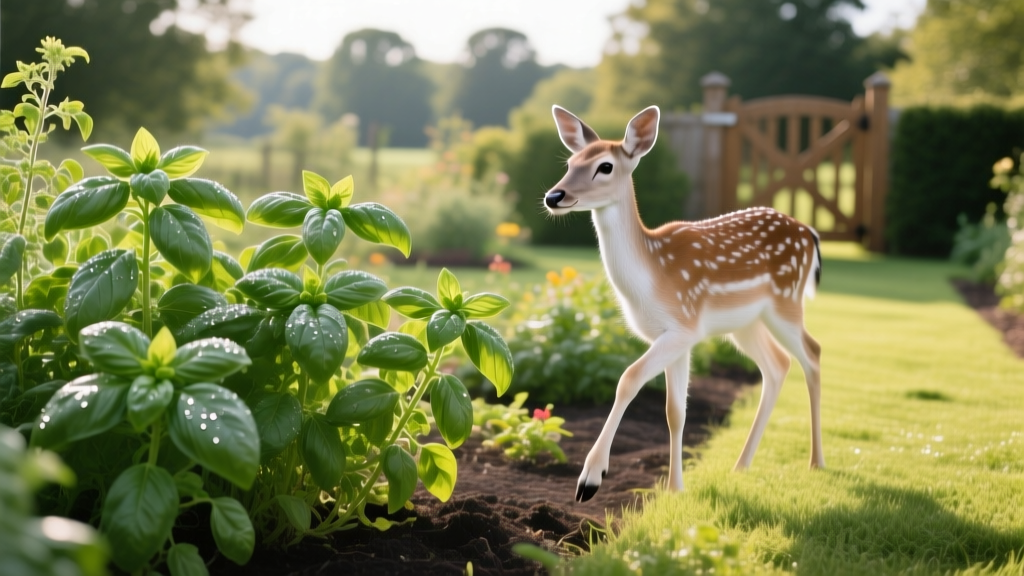
Do Deer Eat Basil Plants? Protection Guide for Herb Gardens
The Short Answer: Do Deer Eat Basil Plants?
If you are asking, "do deer eat basil plants?" the short answer is rarely, but they are not entirely immune. According to extensive university extension research, sweet basil (Ocimum basilicum) is classified as "Rarely Damaged" or "Seldom Severely Damaged" on standard deer resistance scales. Deer rely heavily on their sense of smell to forage, and the pungent aromatic profile of basil typically signals toxicity or unpalatability to them.
However, "deer-resistant" does not mean "deer-proof." Under specific environmental stressors, regional overpopulation, or seasonal food scarcity, deer will sample almost any green vegetation. Understanding the botanical mechanisms that protect your basil—and the edge cases that trigger deer browsing—is critical for maintaining a productive herb garden.
The Botanical Defense: Why Deer Avoid Basil
Basil's natural defense mechanism lies in its high concentration of volatile essential oils. When a deer brushes against or bites into a basil leaf, the plant's trichomes (tiny hair-like structures on the leaf surface) rupture, releasing a concentrated burst of terpenes.
Key Repellent Compounds in Basil:
- Eugenol: Provides the signature spicy, clove-like scent. In high concentrations, eugenol irritates the mucous membranes of a deer's nasal passages and mouth.
- Linalool: A floral terpene that acts as a natural insect and herbivore deterrent.
- Citronellol: Commonly found in insect-repelling plants, this compound contributes to the overwhelming olfactory signal that tells deer to move on.
Because deer have a highly developed olfactory system designed to detect toxins, the strong aromatic signature of basil overrides their interest in the plant's high moisture and protein content. As noted by the NC State Extension deer-resistant plant database, highly aromatic herbs like basil, rosemary, and lavender consistently rank at the bottom of deer preference lists.
The Desperation Index: When Will Deer Eat Basil?
While the essential oils deter them, starvation and curiosity can override a deer's natural aversions. The likelihood of a deer eating your basil fluctuates based on the season and local ecological pressure. The Penn State Extension wildlife management guidelines emphasize that deer feeding habits are highly opportunistic when preferred forage is depleted.
| Season | Deer Diet Status | Basil Risk Level | Primary Trigger for Browsing |
|---|---|---|---|
| Early Spring | Emerging from winter scarcity | Moderate-High | Lack of mature alternative forage; tender new basil shoots have lower oil concentrations. |
| Summer | Abundant natural forage | Very Low | Deer prefer softer, less aromatic broadleaf weeds and agricultural crops. |
| Late Autumn | Hyperphagia (bulking for winter) | Moderate | Desperation as frost kills off preferred herbaceous plants; sampling of evergreen or protected herbs. |
| Severe Drought | Moisture-stressed | High | Deer target irrigated garden beds strictly for the water content in the leaves, ignoring taste. |
Proven Strategies to Protect Basil and Companion Herbs
If your property sits in a high-density deer corridor, relying solely on basil's natural scent is a gamble. Implement these targeted, non-lethal deterrents to secure your herb garden.
1. Scent and Taste Repellents (Perimeter Application)
For edible crops, you must avoid systemic or toxic chemical repellents. Putrescent egg solid-based repellents, such as Liquid Fence Deer & Rabbit Repellent (typically $22–$28 per gallon), are highly effective. The sulfur compounds mimic the scent of predator decay, triggering a flight response.
- Application Strategy: Do not spray directly on the basil leaves you intend to harvest, as the odor taints the culinary profile. Instead, spray a 3-foot perimeter barrier on surrounding ornamental shrubs, fence lines, and non-edible border plants.
- Frequency: Apply every 3 to 4 weeks, and immediately reapply if your area receives more than 1 inch of rainfall.
2. Physical Barriers and Fencing
White-tailed deer can clear an 8-foot vertical jump, but they struggle with depth and angled obstacles. If you are protecting a dedicated herb enclosure, use DeerBlock 7.5-foot polypropylene mesh netting (approx. $60–$80 for a 100-foot roll).
Pro Tip: Angle the top 1.5 feet of your fence outward at a 45-degree angle away from the garden. Deer judge fence height from the ground; an outward slant creates an optical illusion that makes the fence appear significantly higher and physically obstructs their jumping trajectory.
3. Granular Olfactory Deterrents
Milorganite (a heat-dried microbial biosolid fertilizer) is widely used by commercial growers as a dual-purpose deer deterrent and slow-release nitrogen source. A 32-pound bag costs around $20 and covers up to 2,500 square feet. Broadcasting a 2-inch wide perimeter ring of Milorganite around your raised beds creates a foul-smelling barrier that masks the scent of your herbs while slowly feeding the soil microbiome.
⚠️ Edible Crop Warning: Never use blood meal or systemic chemical repellents (like those containing thiram) on or near culinary herbs. Blood meal can attract secondary pests like raccoons and coyotes, while thiram is not approved for use on plants intended for human consumption. Always verify the EPA label for "edible crop" clearance before applying any pest control product to your basil.
Recovery Protocol: What to Do If Deer Browse Your Basil
If you wake up to find your basil plants decimated, do not pull them out immediately. Basil is remarkably resilient and can regenerate from severe browsing if the central stem and root crown remain intact.
- Assess the Damage: If the deer stripped the leaves but left the main stem and at least 20% of the lower foliage or nodes, the plant can recover.
- Make Precision Cuts: Using sterilized bypass pruners, cut any ragged, torn stems left by the deer. Make a clean cut at a 45-degree angle, exactly 1/4 inch above the nearest healthy leaf node. This forces the plant to push out two new lateral branches from that node.
- Shock Mitigation: Deer browsing causes massive physiological stress. Drench the root zone with a liquid kelp extract (such as Neptune's Harvest Liquid Kelp, approx. $15 per quart). The natural cytokinins and auxins in kelp stimulate rapid root and shoot recovery.
- Temporary Shade: A heavily browsed plant loses its ability to photosynthesize and regulate water loss. Erect a temporary 30% shade cloth over the plant for 5 to 7 days to prevent solar scorch while it pushes new growth.
Frequently Asked Questions
Are all varieties of basil equally deer-resistant?
No. While sweet basil (Genovese) is highly resistant due to its eugenol content, varieties with milder aromatic profiles, such as some types of lettuce-leaf basil or young Thai basil seedlings, may be sampled more frequently by deer before their essential oil glands fully mature.
Will planting basil protect my other vegetables from deer?
Basil acts as a mild olfactory mask, but it will not protect highly preferred crops like tomatoes, hostas, or daylilies. Deer will simply step over the basil to reach the preferred forage. Use basil as part of a broader companion planting matrix, but rely on physical barriers for high-value crops.
Do deer eat basil flowers?
Deer generally avoid the flower spikes for the same reasons they avoid the leaves. However, the physical act of a deer investigating the plant can easily snap the delicate central flower spike, causing mechanical damage even if they do not consume the plant material.

