
Pest Control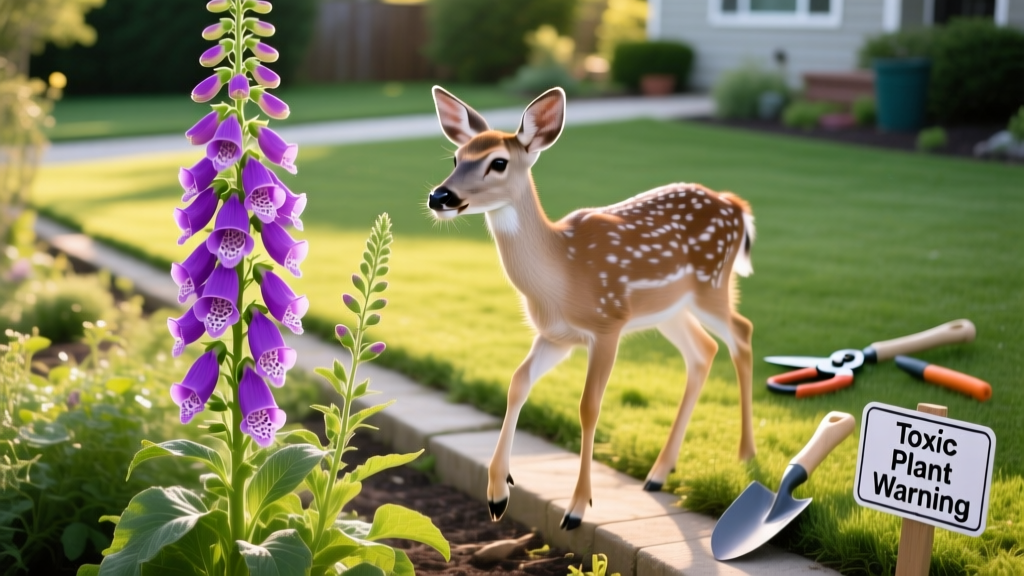
Do Deer Eat Foxglove? Toxicity, Resistance, and Real Garden Pests
The Short Answer: Do Deer Eat Foxglove?
If you are asking, "do deer eat foxglove?" the definitive answer is no. Under normal circumstances, deer do not eat foxglove (Digitalis purpurea). Foxglove is universally classified as highly deer-resistant due to its potent biochemical defenses. While no plant is 100% deer-proof in the face of extreme winter starvation, foxglove ranks among the safest perennials and biennials you can plant in areas with heavy cervid populations.
⚠️ Toxicity Warning for Humans and Pets: The same compounds that deter deer make foxglove highly toxic to humans, dogs, cats, and livestock. All parts of the plant—especially the leaves and seeds—contain lethal cardiac glycosides. Never plant foxglove in areas where toddlers or grazing pets frequently forage unsupervised.
The Science of Deer Resistance: Cardiac Glycosides
To understand why deer avoid foxglove, you have to look at the plant's secondary metabolites. According to the NC State Extension Plant Toolbox, Digitalis purpurea contains over 30 different cardiac glycosides, primarily digitoxin and digoxin. These are the exact compounds historically harvested to create heart medications for humans, but in an uncontrolled, raw state, they are deadly to mammalian herbivores.
When a deer bites into a foxglove leaf, these glycosides bind to and inhibit the Na+/K+-ATPase pump in the animal's cell membranes. This disruption leads to an intracellular calcium overload, which causes severe cardiac arrhythmias, bradycardia (dangerously slow heart rate), and gastrointestinal distress. Deer have evolved a highly sensitive gustatory system that detects the extreme bitterness of these alkaloids and glycosides. A deer will typically spit out the plant material immediately upon the first bite, long before a lethal dose is ingested.
When Deer Might Actually Eat Foxglove (Edge Cases)
While foxglove is heavily protected by its toxicity, landscape professionals and master gardeners occasionally report minor deer browsing under specific, extreme conditions:
- Severe Winter Starvation: In late February or March, when deep snow covers all forage and deer are facing caloric deficits, they may strip the bark of trees or nibble on toxic herbaceous plants out of sheer desperation. Even then, they usually only take a single, experimental bite of foxglove before abandoning it.
- Fawn Curiosity: First-year fawns have not yet fully developed their instinctual aversion to bitter, toxic flora. A fawn might chew on a foxglove leaf, but the immediate bitter shock and subsequent mild illness teach them to avoid the plant for life.
- Sprouting Seedlings: Very young foxglove seedlings have not yet synthesized high concentrations of cardiac glycosides. Deer might accidentally graze them if they are mixed in with a patch of preferred tender weeds, but mature rosettes and flowering spikes are strictly avoided.
Deer Resistance Ratings: Foxglove vs. Common Garden Plants
The Rutgers University New Jersey Agricultural Experiment Station maintains the gold standard for Landscape Plants Rated by Deer Resistance. Their scale ranges from A (Rarely Damaged) to D (Frequently Severely Damaged). Here is how foxglove compares to other popular landscape plants:
| Plant Species | Rutgers Deer Rating | Vulnerability Level |
|---|---|---|
| Foxglove (Digitalis) | A / B | Rarely to Seldom Damaged |
| Lavender (Lavandula) | A | Rarely Damaged |
| Daffodil (Narcissus) | A | Rarely Damaged |
| Daylily (Hemerocallis) | C / D | Occasionally to Frequently Damaged |
| Hosta (Hosta spp.) | D | Frequently Severely Damaged |
The Real Pests That Attack Foxglove (And How to Stop Them)
Because you do not need to worry about deer eating your foxglove, you can redirect your pest control budget toward the insects and gastropods that actually threaten the plant. Foxglove is highly susceptible to three specific garden pests.
1. Slugs and Snails
Foxglove thrives in partial shade and moist soil—the exact same microclimate that slugs and snails prefer. Gastropods will skeletonize the lower leaves of the basal rosette before the plant ever sends up a flower spike.
- The Fix: Avoid traditional metaldehyde baits, which are toxic to wildlife. Instead, use an Iron Phosphate bait (such as Sluggo or Garden Safe Slug & Snail Bait). Apply at a rate of 1 lb per 1,000 square feet in the late evening after watering the garden. The iron phosphate disrupts the slug's calcium metabolism, causing them to stop feeding immediately and die underground within 3 to 6 days.
2. Foxglove Aphids and Green Peach Aphids
Aphids cluster densely on the tender, emerging flower spikes and the undersides of the upper leaves, sucking phloem sap and transmitting mosaic viruses. You will notice stunted spike growth, curled foliage, and a sticky black residue (sooty mold growing on honeydew).
- The Fix: Blast the spikes with a sharp stream of water in the early morning to dislodge light infestations. For heavy colonies, apply an Insecticidal Soap containing potassium salts of fatty acids (e.g., Safer Brand Insect Killing Soap). Mix at 2.5 oz per gallon of water and spray directly on the pests. The soap dissolves the aphid's protective waxy cuticle, causing rapid dehydration. Reapply every 5 to 7 days until the population crashes.
3. Japanese Beetles (Popillia japonica)
While deer avoid the leaves, Japanese beetles have no such aversion. They will land on the broad lower leaves and chew through the tissue between the veins, leaving a lace-like skeleton.
- The Fix: Hand-picking into a bucket of soapy water is effective for small gardens. For larger infestations, use a biopesticide containing Bacillus thuringiensis var. galleriae (Btg), such as beetleGONE!. Unlike older chemical sprays, Btg specifically targets the digestive system of adult beetles without harming beneficial pollinators like the bees that foxglove relies on for reproduction.
Landscaping with Foxglove in High-Deer Areas
Foxglove is an invaluable architectural tool for gardeners battling deer. Because it grows 3 to 5 feet tall and forms a dense, toxic visual barrier, it can be used strategically in landscape design.
Pro Landscaping Tip: Use foxglove as a 'shield plant.' Plant a dense, 2-foot-wide perimeter of Digitalis purpurea around highly susceptible shade plants like Hostas, Ferns, and Astilbes. Deer rely heavily on their sense of smell and sight to locate tender forage; a thick wall of tall, bitter-smelling foxglove obscures the visual profile of the vulnerable plants behind it and discourages deer from pushing through the thicket.
For the best deer-resistant companion planting, pair foxglove with other highly toxic or strongly scented perennials. Excellent companions include Lamb's Ear (Stachys byzantina), which has a fuzzy texture deer hate, Bleeding Heart (Dictamnus albus), and Monkshood (Aconitum), which shares a similar toxicity profile and shade tolerance.
Frequently Asked Questions
Will foxglove spread and become a problem in deer-heavy woods?
Foxglove is a biennial or short-lived perennial that readily self-seeds. In woodland edges where deer are prevalent, it can naturalize beautifully because the deer act as a natural thinning mechanism for competing, palatable weeds, leaving the toxic foxglove seedlings alone to mature. However, it is considered invasive in some specific Pacific Northwest and Northeastern US microclimates, so check your local county extension invasive species list before allowing it to self-seed near protected wildlands.
Are there any deer-resistant foxglove varieties that bloom in the first year?
Yes. If you want immediate impact without waiting for the second-year bloom cycle, look for the Camelot Series or the Dalmatian Series. These have been selectively bred to flower in their first year from seed. They retain the exact same cardiac glycoside concentrations and deer resistance as traditional biennial varieties, but they offer a faster return on investment for newly established, deer-prone garden beds.
Do rabbits and groundhogs eat foxglove?
Similar to deer, rabbits and groundhogs possess an instinctual avoidance of cardiac glycosides. While a desperate rabbit in a barren winter landscape might nibble a seedling, mature foxglove rosettes are generally ignored by lagomorphs and burrowing rodents, making them an excellent choice for gardens plagued by multiple types of mammalian herbivores.

