
Pest Control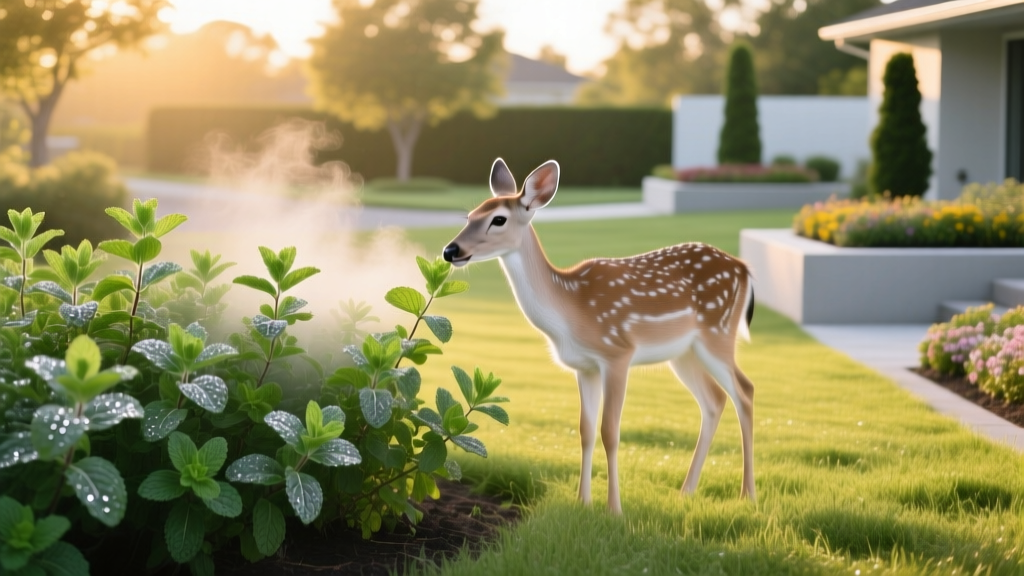
Do Deer Like Peppermint? The Science of Mint as a Garden Repellent
The Short Answer: Do Deer Eat Peppermint?
No, deer do not like peppermint (Mentha × piperita). In fact, they actively avoid it. Peppermint is highly resistant to deer browsing due to its high concentration of volatile essential oils, primarily menthol and menthone. When a deer approaches a peppermint plant, the strong aromatic compounds overwhelm their highly sensitive olfactory system, signaling that the plant is unpalatable or potentially toxic. While no plant is 100% deer-proof under all conditions, peppermint consistently ranks as a highly resistant species in integrated pest management (IPM) frameworks for suburban landscapes.
However, relying solely on planting peppermint to protect your garden is a flawed strategy. To effectively use peppermint as a deterrent, homeowners must understand the biochemical mechanics of deer aversion and how to properly formulate and apply peppermint-based repellent sprays to vulnerable ornamental plants.
The Olfactory Science: Why Menthol Repels Deer
To understand why peppermint works as a deterrent, you must look at the biology of a white-tailed deer's nasal cavity. Deer possess approximately 297 million olfactory receptors, compared to a human's 5 million. This acute sense of smell is their primary survival mechanism for detecting predators and assessing forage quality.
Peppermint leaves contain up to 1.5% essential oil by weight, and that oil is composed of roughly 40% to 50% menthol. When a deer inhales the volatile organic compounds (VOCs) released by crushed or heated peppermint leaves, the menthol binds to the TRPM8 receptors in their nasal mucosa. In mammals, TRPM8 is the primary receptor responsible for detecting cold temperatures and chemical cooling agents. The massive influx of menthol creates a harsh, localized cooling and burning sensation in the deer's respiratory tract. According to wildlife management guidelines from Penn State Extension, area repellents that target the olfactory senses with intense, unfamiliar odors are significantly more effective at deterring initial browsing than taste-based repellents, which require the animal to bite the plant first.
⚠️ Invasiveness Warning: Before planting peppermint directly in your garden beds, be aware that it is a highly aggressive spreader. Peppermint propagates via underground rhizomes and above-ground stolons. If left unchecked, it will choke out native perennials and turfgrass within two growing seasons. Always plant mint in isolated containers or use 18-inch deep high-density polyethylene (HDPE) root barriers.
How to Brew a DIY Peppermint Oil Deer Repellent
While planting peppermint creates a localized scent barrier, applying a peppermint oil spray directly to the foliage of your prized hostas, daylilies, and arborvitae is a more reliable defense mechanism. Commercial deer repellents can cost $15 to $25 per 16-ounce bottle, but you can synthesize a highly effective, menthol-dense spray at home for a fraction of the cost.
The Emulsification Imperative
The most common failure mode in DIY essential oil repellents is poor emulsification. Peppermint oil is hydrophobic; it will not mix with water on its own. If you simply drop oil into a sprayer, the oil will float to the top, resulting in a clogged nozzle and uneven application that can cause phytotoxicity (leaf burn) on sensitive plants. You must use a surfactant.
Exact DIY Formulation (1-Gallon Batch)
- Water Base: 128 oz (1 gallon) of distilled or filtered water (hard tap water can react with essential oils and reduce efficacy).
- Active Ingredient: 40 drops (approx. 2 ml) of 100% pure Mentha × piperita essential oil. Do not use peppermint extract from the baking aisle, as it contains alcohol and lacks the necessary menthol concentration.
- Emulsifier: 1 tablespoon of unscented liquid castile soap (e.g., Dr. Bronner's Baby Unscented). The soap breaks the surface tension of the water and suspends the oil droplets.
- Sticker/Spreader Agent (Optional but recommended): 1 teaspoon of horticultural silicone spreader or vegetable oil to help the solution adhere to waxy leaf cuticles.
Mixing Protocol: Mix the essential oil and castile soap together in a small glass jar first. Agitate vigorously until it forms a cloudy, uniform paste. Add this paste to your 1-gallon pump sprayer, then fill with water. Shake the tank thoroughly before every use.
Repellent Efficacy Matrix: DIY vs. Commercial
How does a menthol-based DIY spray compare to the leading commercial olfactory repellents on the market? The following matrix breaks down the operational differences for landscape managers and homeowners.
| Repellent Type | Active Ingredients | Cost per Ounce | Scent Profile & Notes |
|---|---|---|---|
| DIY Peppermint Oil | Menthol, Menthone | ~$0.12 | Sharp, clean mint. Pleasant for humans, highly aversive to deer. |
| Deer Out (Commercial) | Putrescent Egg Solids, Peppermint Oil | ~$0.95 | Sulfur/rotting odor. Highly effective but unpleasant near patios. |
| Liquid Fence (Commercial) | Putrescent Egg, Garlic | ~$0.80 | Strong garlic/sulfur. Excellent rain fastness, terrible human odor. |
| Plantskydd (Commercial) | Dried Blood, Vegetable Oils | ~$1.10 | Metallic/blood scent. Triggers predator fear response. |
Application Protocols and Environmental Failure Modes
Even the most potent peppermint spray will fail if applied incorrectly. Deer habituation and environmental degradation are the two primary reasons DIY repellents lose efficacy. Follow these operational parameters to maintain an active deterrent shield.
1. UV Degradation and Timing
Menthol is highly susceptible to photodegradation. When exposed to direct ultraviolet (UV) radiation from the sun, the chemical bonds in the essential oil break down rapidly, reducing the olfactory output within 48 hours. Always apply peppermint sprays at dusk. This allows the emulsion to dry overnight, the sticker agents to bind to the leaf cuticle, and minimizes immediate UV exposure. Furthermore, spraying in the heat of the day can cause the essential oils to act as a magnifying glass or solvent, resulting in severe foliar burn on tender hostas and impatiens.
2. Rainfastness Thresholds
While the addition of a horticultural sticker improves water resistance, DIY peppermint sprays are not waterproof. According to wildlife management data from the University of Minnesota Extension, most DIY and botanical repellents require immediate reapplication after 1.25 inches of cumulative rainfall. If a heavy thunderstorm passes through your region, assume the peppermint barrier has been compromised and re-spray the perimeter once the foliage is dry.
3. The Rotation Rule (Preventing Habituation)
Deer are highly adaptable foragers. If they realize that the sharp smell of peppermint is not accompanied by an actual physical threat or a foul taste, a bold herd will eventually cross the scent barrier to access high-value calories (like arborvitae or yew). To prevent olfactory habituation, rotate your DIY peppermint spray with a putrescent egg-based or garlic-based repellent every 3 to 4 weeks. This keeps the deer's threat-assessment biology off-balance.
The Winter Starvation Caveat
There is one critical edge case where the rule that "deer hate peppermint" breaks down: late-winter caloric desperation. In February and March, when snow cover exceeds 12 inches and natural browse is entirely inaccessible, deer enter a state of negative energy balance. During this window, survival overrides olfactory aversion. Starving deer will consume toxic, foul-tasting, and highly aromatic plants—including peppermint, yew, and daffodils—simply to keep their rumen full and generate metabolic heat. If you live in USDA Hardiness Zones 3 through 5, do not rely on peppermint or any chemical repellent during deep snow events. Physical barriers, such as 8-foot poly-turf deer netting, are the only guaranteed protection during winter starvation periods.
Perimeter Planting: Managing Mint's Invasive Rhizomes
If you wish to use living peppermint plants as a perimeter defense rather than a spray, you must manage the plant's aggressive growth habit. Peppermint spreads via subterranean rhizomes that can travel up to 24 inches laterally in a single season.
"To utilize mint as a living fence without destroying your landscape architecture, plant Mentha × piperita in 5-gallon nursery pots. Cut the bottom out of the pot, and sink it into the soil so the rim sits 2 inches above grade. This allows for deep drainage while completely containing the lateral rhizome spread."
— Best Practices for Invasive Herb Management, Rutgers NJAES (Source)
Space these contained peppermint plants every 3 to 4 feet along the windward side of your most vulnerable garden beds. As the summer sun heats the leaves, the natural volatilization of the menthol will create a continuous, invisible aromatic fence that redirects foraging deer to neighboring, less-defended properties.

