
Pest Control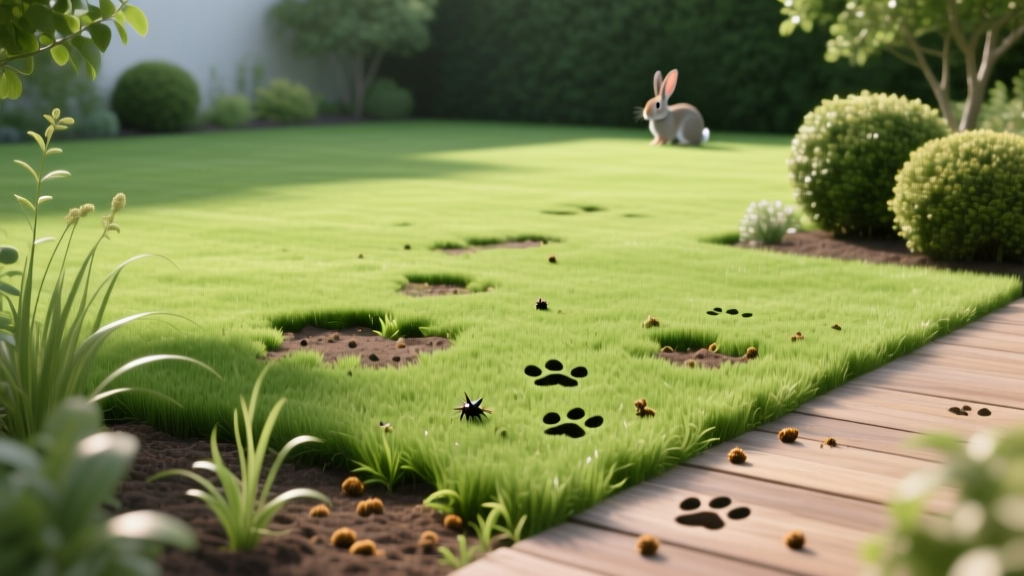
Do Rabbits Eat Grass? Identifying Lawn Damage and Rabbit-Proofing
The Short Answer: Do Rabbits Eat Grass?
Yes, rabbits eat grass, and they can cause significant damage to residential lawns. Unlike rodents, rabbits are lagomorphs—hindgut fermenters with a specialized digestive system that allows them to extract maximum nutrition from fibrous plant material. While they prefer the tender, nitrogen-rich shoots of broadleaf weeds and garden vegetables, turfgrass is a primary staple of their diet, especially in early spring and late autumn when other food sources are scarce.
Rabbits specifically target young, rapidly growing grass blades. Cool-season grasses like Kentucky bluegrass (Poa pratensis) and perennial ryegrass (Lolium perenne) are highly vulnerable due to their succulent spring growth. A single adult cottontail rabbit can consume up to one-third of its body weight in vegetation daily, which translates to roughly 0.5 to 1 pound of turf and garden plants. Because they practice cecotrophy (re-ingesting specialized fecal pellets to extract secondary nutrients), rabbits can survive and thrive on relatively low-quality turf, making them persistent year-round pests.
Identifying Rabbit Turf Damage vs. Other Yard Pests
Before deploying control measures, you must confirm that rabbits are the culprits. Misidentifying the pest leads to wasted time and ineffective treatments. Rabbit damage has distinct forensic signatures that differentiate it from deer, voles, or subsurface insects.
| Pest | Damage Signature on Grass | Secondary Evidence | Time of Activity |
|---|---|---|---|
| Rabbits | Clean, sheared cuts leaving 1/4-inch stubble; localized grazing patches. | Pea-sized, round, brown/green droppings; small, oval paw prints. | Dawn and dusk (crepuscular). |
| Deer | Ragged, torn grass and plant stems (deer lack upper incisors). | Large, clustered droppings; distinct cloven hoof prints in soft soil. | Night and early morning. |
| Voles | Do not eat grass blades; create 2-inch wide surface runways through turf. | Gnawed bark at the base of trees/shrubs; small burrow holes. | Day and night (year-round). |
| White Grubs | Grass turns brown and peels back like loose carpet (roots are severed). | C-shaped white larvae in the top 2 inches of soil; increased crow activity. | Late summer to early autumn. |
The True Cost of Rabbit Lawn Destruction
Unchecked rabbit foraging leads to severe aesthetic degradation and expensive lawn renovations. When rabbits repeatedly graze the same patch of turf down to the soil line, they destroy the grass crown—the vital growth point located at the base of the plant. Once the crown is consumed, the grass plant dies, leaving bare dirt patches highly susceptible to invasive weed colonization, particularly crabgrass and spurge.
Repairing a 500-square-foot area of rabbit-destroyed lawn typically costs between $60 and $120 in materials alone, factoring in premium seed ($25-$40), topsoil/compost ($20-$40), and starter fertilizer ($15-$25). If you hire a professional landscaping service for sod replacement, costs escalate to $1.00 to $2.50 per square foot, pushing a 500-square-foot repair to $500 or more.
Proven Rabbit-Proofing Strategies
Effective rabbit management requires an integrated approach combining physical exclusion, chemical deterrents, and habitat modification. According to wildlife management guidelines from Penn State Extension, reliance on a single method rarely yields long-term success.
Physical Barriers: The L-Footer Method
Fencing is the only 100% effective method for excluding rabbits. Standard vertical fences fail because rabbits will dig underneath them. You must install an "L-footer" apron.
- Material: Use 16-gauge galvanized wire mesh with a maximum 1-inch by 1-inch grid. Poultry netting (chicken wire) is acceptable if the mesh is 1 inch or smaller.
- Above Ground: The fence must stand at least 24 inches high. Rabbits rarely jump higher than 2 feet unless chased by a predator.
- Below Ground: Bend the bottom 6 to 8 inches of the wire outward at a 90-degree angle (forming an "L") and bury it 2 inches deep, or pin it flat against the soil using landscape staples. When a rabbit digs at the fence line, they encounter the wire apron and stop.
- Cost: Materials cost approximately $1.50 to $2.50 per linear foot. Professional installation adds $5.00 to $8.00 per linear foot.
Chemical and Organic Repellents
When fencing is impractical, area and contact repellents can reduce foraging. The most effective active ingredient for rabbit deterrence is putrescent whole egg solids. Products like Liquid Fence Animal Repellent and Nature's Mace Rabbit Repellent utilize this ingredient, which triggers a predator-avoidance instinct in rabbits via scent.
Apply liquid repellents directly to the turf perimeter and surrounding ornamental plants. Reapplication is strictly required after 1 inch of rainfall or every 30 days, whichever comes first. For winter protection, switch to Thiram-based fungicide/repellents, which adhere better to dormant plant tissue and withstand snow melt.
Warning: Repellents must be applied before rabbit feeding habits are established. Once a rabbit identifies your lawn as a reliable food source, taste and odor repellents become significantly less effective. Apply deterrents in early spring as soon as new grass shoots emerge.
Habitat Modification
Rabbits require dense cover to feel secure from aerial and terrestrial predators. Modify your property to eliminate harborage areas within 50 feet of your lawn:
- Remove brush piles, tall weed patches, and abandoned debris.
- Elevate wooden decks and sheds, sealing the perimeter with wire mesh to prevent nesting underneath.
- Thin out dense, low-hanging shrubbery (especially junipers and yews) to expose the ground level.
Repairing Rabbit-Damaged Turf
If rabbits have already destroyed sections of your lawn, follow this targeted repair protocol to restore the turf and deter future grazing.
- Rake and De-thatch: Vigorously rake the bare patches to remove dead crowns, debris, and rabbit droppings, exposing the bare soil.
- Amend the Soil: Apply a 1/4-inch layer of screened compost to improve seed-to-soil contact and restore microbial activity disrupted by heavy grazing.
- Sow Endophyte-Enhanced Seed: Overseed using fine fescue or perennial ryegrass varieties that contain endophytes. Endophytes are naturally occurring, beneficial fungi living within the grass tissue that produce alkaloids. These alkaloids make the grass taste bitter and mildly toxic to foraging mammals, acting as a built-in biological repellent.
- Protect the Germination Zone: Cover the seeded area with weed-free straw or a biodegradable germination blanket. This retains moisture and physically hides the young, vulnerable shoots from passing rabbits until they establish a deep root system.
"Integrating endophyte-enhanced turfgrasses into your lawn renovation is one of the most underutilized, biologically sound methods for reducing mammalian herbivory in residential landscapes."
— Adapted from turfgrass management principles, UC Agriculture and Natural Resources
Frequently Asked Questions
Will rabbit droppings kill my grass?
No. Unlike dog urine, which contains high concentrations of nitrogen and salts that burn turf, rabbit droppings are a highly beneficial, slow-release organic fertilizer. They are rich in nitrogen, phosphorus, and potassium, and will not harm your grass. In fact, leaving them on the lawn can improve soil health.
Do rabbits eat grass in the winter?
Yes. When snow cover is light or absent, rabbits will actively forage for dormant grass crowns, dried vegetation, and the bark of young trees and shrubs. Winter damage to turf is often less visible until the grass attempts to green up in spring and fails due to destroyed crowns.
Are ultrasonic rabbit repellents effective?
Independent university studies consistently show that ultrasonic pest deterrents are largely ineffective against rabbits in open outdoor environments. The sound waves dissipate quickly, are blocked by physical obstacles like shrubs, and rabbits quickly habituate to the noise once they realize it poses no physical threat.

