
Pest Control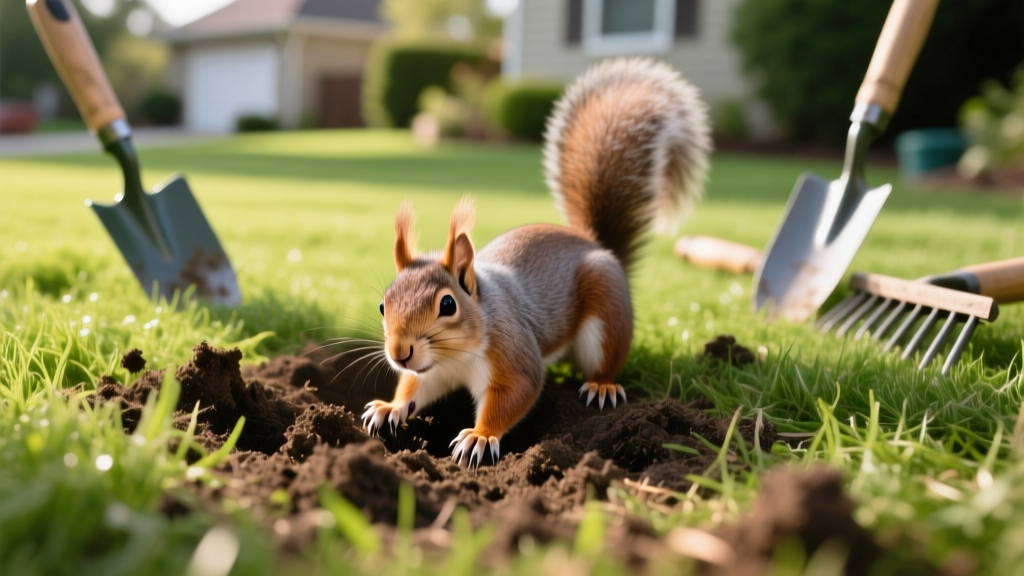
Do Squirrels Dig Holes in Your Lawn? Identification & Fixes
The Short Answer: Tree Squirrels vs. Ground Squirrels
Yes, squirrels dig holes in lawns, but the extent and purpose of the excavation depend entirely on the species. Homeowners dealing with scattered, shallow divots are typically facing tree squirrels (such as Eastern Gray, Fox, or Red squirrels). These animals do not live in the ground; instead, they use your turf as a pantry, digging shallow holes to bury or retrieve nuts, seeds, and bulbs. Conversely, ground squirrels (like the California ground squirrel or the thirteen-lined ground squirrel) dig extensive, deep burrow systems with multiple entrances and visible dirt mounds, which can undermine patio slabs and damage root systems.
Understanding this distinction is the first step in effective pest management. Tree squirrel damage is primarily cosmetic and seasonal, while ground squirrel damage requires more aggressive structural intervention. This guide focuses on the shallow excavation habits of tree squirrels, which are the most common culprits behind mysterious lawn holes in suburban environments.
Diagnostic Matrix: Identifying the Culprit
Before deploying deterrents, you must confirm that squirrels are actually the pests in question. Misidentifying the animal leads to wasted time and ineffective treatments. Use the diagnostic matrix below to compare squirrel holes against other common turf-damaging wildlife.
| Pest Species | Hole Diameter | Depth & Shape | Secondary Lawn Signs |
|---|---|---|---|
| Tree Squirrels | 1.5 to 2 inches | Shallow (1-3 inches); clean edges | Scattered divots; half-eaten nuts nearby; no dirt mounds |
| Voles | 1 to 1.5 inches | Shallow; connects to surface runways | Visible 2-inch wide runways through grass; gnawed bark at tree bases |
| Moles | N/A (Surface tunnels) | Volcano-shaped mounds; raised ridges | Spongy soil when walking; dead grass patches along tunnel lines |
| Chipmunks | 1.5 to 2 inches | Shallow; usually near foundations/rocks | Very clean holes; rarely in the middle of open turf |
| Skunks / Raccoons | 3 to 4 inches | Deep, cone-shaped divots | Peeled-back sod; searching for grubs; nocturnal damage patterns |
The Science of Squirrel Excavation
Squirrels are driven by innate foraging and caching behaviors that change with the seasons. Their digging is rarely random; it is a calculated survival strategy tied to the availability of mast (tree seeds and nuts).
Autumn Mast Caching (Scatter-Hoarding)
Between September and November, tree squirrels engage in 'scatter-hoarding.' Rather than storing all their winter food in one nest, they bury thousands of individual acorns, hickory nuts, and walnuts across a wide territory. Your lawn provides soft, easily excavable soil compared to the hard, root-dense forest floor. A single gray squirrel can dig up to 50 shallow holes a day during peak autumn caching, leaving a once-pristine lawn looking like a minefield.
Spring Bulb Foraging and Retrieval
In early spring, squirrels dig for two reasons: to retrieve forgotten autumn caches (they rely on spatial memory and olfactory cues to find buried nuts) and to hunt for high-calorie spring growth. They are notorious for digging up freshly planted tulip and crocus bulbs. If you see shallow holes surrounded by uprooted, half-eaten bulb tunics in April, squirrels are the definitive culprits.
Proven Deterrent Frameworks & Material Costs
Deterring squirrels requires a multi-layered approach. Relying on a single method, such as ultrasonic devices (which peer-reviewed studies show are largely ineffective against rodents), will result in failure. Below are the most reliable, field-tested strategies.
Physical Exclusion: The Hardware Cloth Method
For protecting specific garden beds or newly seeded lawn patches, physical barriers are the only 100% effective solution. Use 19-gauge galvanized hardware cloth with a 1/2-inch mesh. Lay it flat over the soil and cover it with 1 inch of mulch or topsoil. Squirrels cannot chew through or dig past the steel wire. A 3x10 foot roll costs approximately $35 to $45 at home improvement centers and lasts for decades.
Chemical Repellents: Capsaicin and Putrescent Egg
Taste and odor repellents work by exploiting the squirrel's sensitive olfactory and trigeminal nerve systems. Products containing capsaicin (the active component in chili peppers) or putrescent whole egg solids (like Bonide Repels-All, priced around $25 for a 32 oz ready-to-use bottle) create a sensory barrier. Apply directly to bulbs before planting or spray the perimeter of the lawn. Reapplication is mandatory after every rainfall or overhead irrigation cycle.
Habitat Modification: Bird Feeder Management
Bird feeders are the primary vector for squirrel lawn damage. Spilled sunflower seeds and peanuts attract squirrels, who then dig up the surrounding lawn to cache the excess food. Switch to safflower seed or hot pepper-treated suet, which birds tolerate but squirrels despise. Install a baffle on the feeder pole and ensure the feeder is at least 10 feet away from any jumping point (fences, rooflines, tree branches).
The 4-Step Turf Divot Repair Protocol
Once the squirrels have moved on or been deterred, the shallow holes must be repaired to prevent weed infiltration and tripping hazards. Do not simply kick dirt over the holes; this leaves air pockets that dry out the surrounding roots.
- Clear the Debris: Use a hand trowel to remove any loose dirt, half-eaten nuts, or dead grass from the 2-inch hole. If a nut is left behind, it will eventually sprout a tree seedling in your turf.
- Mix a Custom Topdressing: Create a repair blend of 1 part masonry sand (for drainage), 1 part screened topsoil, and 1 part peat moss. Avoid using pure compost, as it holds too much moisture and can cause localized fungal issues in the divot.
- Fill and Tamp: Fill the hole with the topdressing mix until it is level with the surrounding soil. Use the back of a garden rake or your foot to firmly tamp the soil down, eliminating air pockets.
- Overseed and Hydrate: Sprinkle a pinch of matching grass seed (e.g., Kentucky Bluegrass or Tall Fescue) over the repaired divot. Water the spot gently with a fine mist nozzle twice daily for 14 days until germination occurs.
Regulatory and Ecological Considerations
Before attempting any lethal control or relocation, consult your local wildlife regulations. According to the Internet Center for Wildlife Damage Management, tree squirrels are protected by state game laws in many jurisdictions, and live-trapping and relocating them is often illegal without a specific nuisance wildlife permit. Relocation also carries a high mortality rate for the animal and spreads potential diseases to new territories.
Furthermore, as noted by University of Florida IFAS, tree squirrels play a vital ecological role as accidental foresters; the nuts they fail to retrieve often germinate, contributing to urban canopy regeneration. The Humane Society of the United States strongly advocates for exclusion and habitat modification over lethal control. By focusing on physical barriers and smart lawn repair, you can maintain a pristine landscape while coexisting with these highly adaptive urban rodents.

