
Pest Control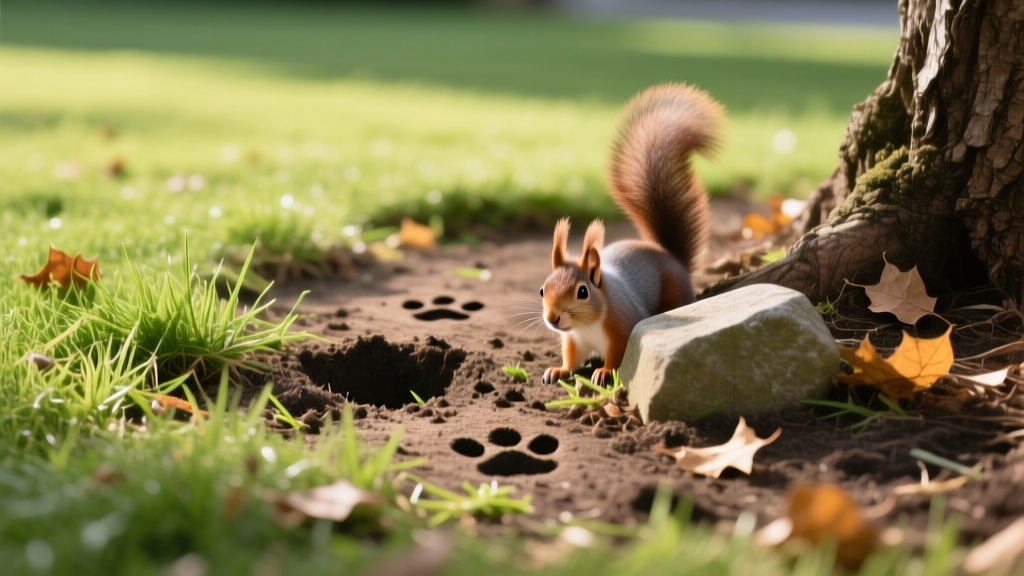
Do Squirrels Eat Grass? Identifying and Fixing Lawn Damage
The Short Answer: Do Squirrels Eat Grass Blades?
If you are watching a squirrel dart across your lawn and wondering, "do squirrels eat grass?", the direct answer is no. Squirrels do not graze on mature grass blades. Unlike rabbits, voles, or deer, squirrels lack the specialized digestive tracts required to break down the high-cellulose roughage found in mature turfgrass like Bermuda, Zoysia, or Tall Fescue. According to the Internet Center for Wildlife Damage Management, tree squirrels are primarily granivores and herbivores that prefer high-calorie foods such as nuts, seeds, fruits, and fungi.
However, if you are finding bare patches, uprooted seedlings, and scattered dirt mounds across your yard, squirrels are likely the culprits. They are not eating your grass; they are using your lawn as a foraging ground, a pantry, and a digging site. Understanding the exact biological drivers behind this behavior is the first step toward protecting your turf.
The 3 Real Reasons Squirrels Destroy Turf
When homeowners ask if squirrels eat grass, they are usually reacting to visible lawn damage. Squirrels interact with your lawn in three highly destructive ways:
- Caching (Episodic Memory): Squirrels bury thousands of nuts each autumn. They use spatial memory to recover them later, but frequently forget or abandon caches. This results in dozens of neat, 1-to-2-inch deep holes scattered across the lawn.
- Foraging for Grubs: Squirrels have an acute sense of smell and can detect Japanese beetle, June bug, and European chafer grubs living just beneath the soil surface. They will dig up newly laid sod or thin turf to reach these protein-rich larvae.
- Grass Seed Theft: While they ignore mature grass, squirrels absolutely eat grass seed. Newly overseeded lawns are highly vulnerable because the seeds are nutrient-dense, easily accessible, and lack the root structure to resist being raked up by squirrel paws.
Diagnostic Matrix: Squirrel Holes vs. Other Lawn Pests
Misidentifying the pest is the most common failure mode in lawn repair. Skunks, raccoons, and voles also damage turf, but their methods differ vastly from squirrels. Use this diagnostic matrix to confirm your pest before applying deterrents.
| Pest | Hole / Damage Profile | Digging Method | Time of Activity |
|---|---|---|---|
| Squirrels | Clean, cylindrical holes 1-2 inches wide and deep. Scattered randomly. | Front paws (scratching/scooping). | Diurnal (dawn to dusk). |
| Skunks | Cone-shaped depressions 3-4 inches wide. Often in clusters. | Snout rooting and front claws. | Nocturnal. |
| Raccoons | Large chunks of sod rolled back or flipped over entirely. | Dexterous front paws (peeling). | Nocturnal. |
| Voles | Surface runways (1-2 inches wide) with clipped grass and small entry holes. | Constant gnawing and tunneling. | Crepuscular / Day & Night. |
How to Protect Grass Seed from Squirrels
If you are overseeding or establishing a new lawn in the spring or fall, your grass seed is a prime target. Squirrels can consume or displace pounds of seed in a single afternoon. Follow this exact protocol to secure your investment:
- Apply Certified Weed-Free Straw Mulch: Do not use hay, which contains agricultural weed seeds. Spread wheat straw at a rate of 1 bale per 1,000 square feet. The straw hides the seed visually and creates a physical barrier that frustrates foraging paws. Expect to pay $10 to $14 per bale.
- Deploy Jute or Plastic Netting: For high-traffic squirrel zones, straw is not enough. Unroll a UV-stabilized plastic bird netting (such as the Bird-X 14x100 ft Heavy Duty Net, approx. $45) or biodegradable jute netting over the seeded area. Anchor the perimeter every 3 feet using 6-inch landscape staple pins.
- Use Capsaicin Seed Treatments: If netting is impossible due to yard size, treat your seed before sowing. Commercial capsaicin-based seed coatings (hot pepper wax) make the seed unpalatable without affecting germination rates. Alternatively, lightly dust the sown area with cayenne pepper powder, though this requires reapplication after heavy rain.
⚠️ Warning on Pre-Emergent Herbicides: Never attempt to deter squirrels by applying pre-emergent crabgrass preventers (like prodiamine) over newly sown grass seed. Pre-emergents halt cell division in germinating seeds and will destroy your new lawn before it sprouts. Stick to physical barriers and taste repellents.
Advanced Deterrents: Repellents and Hardware
Once the grass is established, squirrels may still dig for grubs or cache nuts. Modifying the habitat and deploying targeted deterrents yields the best long-term results. According to guidelines from The Humane Society of the United States, combining sensory deterrents with physical disruption is the most humane and effective strategy.
Taste and Odor Repellents
Liquid repellents relying on putrescent whole egg solids and garlic oil are highly effective for perimeter defense. Bonide Repels-All Animal Repellent (approx. $18 per 32oz ready-to-spray bottle) triggers an innate predator-avoidance response in squirrels. Spray the perimeter of your lawn and the base of nearby oak or hickory trees every 30 days, or immediately after 1/2 inch of rainfall.
Motion-Activated Hardware
💡 Pro Tip: The Orbit 62100 Yard Enforcer
For chronic digging issues, ultrasonic sound emitters are largely ineffective against urban squirrels due to ambient noise pollution. Instead, invest in the Orbit 62100 Yard Enforcer Motion-Activated Sprinkler ($65-$80). It features an infrared sensor that detects motion up to 70 feet away and fires a 5-second burst of water. It conditions squirrels to avoid the lawn entirely within 4 to 7 days without causing them physical harm.
For chronic digging issues, ultrasonic sound emitters are largely ineffective against urban squirrels due to ambient noise pollution. Instead, invest in the Orbit 62100 Yard Enforcer Motion-Activated Sprinkler ($65-$80). It features an infrared sensor that detects motion up to 70 feet away and fires a 5-second burst of water. It conditions squirrels to avoid the lawn entirely within 4 to 7 days without causing them physical harm.
Repairing Squirrel-Dug Turf
If your lawn already looks like a minefield, follow these steps to restore the soil profile and re-establish the turf:
- Fill the Voids: Do not just kick loose dirt back into the holes. Mix a 50/50 blend of topsoil and fine compost. Fill the 1-to-2-inch holes completely, tamping the soil down lightly with the back of a steel garden rake to prevent future water pooling.
- Overseed with Deep-Rooted Varieties: Squirrels prefer digging in loose, shallow-rooted soil. Overseed repaired patches with Turf-Type Tall Fescue (TTTF). TTTF develops root systems that penetrate 2 to 3 feet deep, creating a dense soil mat that is significantly harder for squirrels to excavate compared to shallow-rooted perennial ryegrass or fine fescues.
- Grub Control: If the squirrels are digging for grubs, treat the underlying food source. Apply a preventative grub control containing chlorantraniliprole (such as Scotts GrubEx1) in late spring. This eliminates the food source, forcing the squirrels to forage in wilder, less manicured areas.
Frequently Asked Questions
Will feeding squirrels keep them out of my lawn?
No. Providing supplemental food (like corn or sunflower seeds) artificially inflates the local squirrel carrying capacity. It will attract more squirrels to your property, ultimately increasing the amount of caching and digging damage in your lawn and nearby garden beds.
Do coffee grounds repel squirrels from grass?
While a common internet myth, spent coffee grounds do not reliably repel squirrels. The caffeine concentration in used grounds is too low to act as a neurotoxin, and the scent dissipates within 48 hours outdoors. Rely on capsaicin or putrescent egg-based repellents for verified results.

