
Pest Control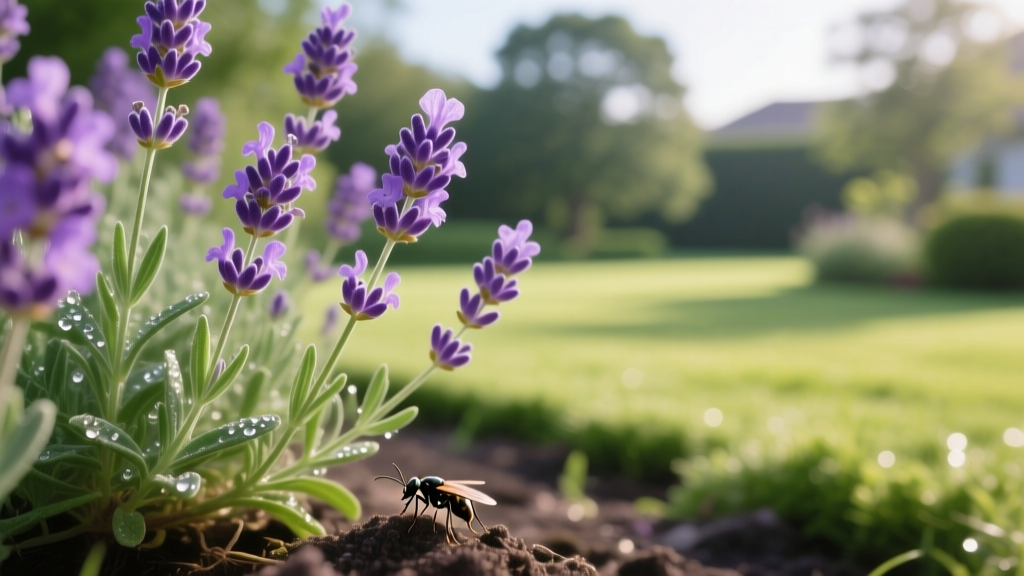
Does Lavender Repel Fleas? The Science, Efficacy, and Pet Safety
The Short Answer: Does Lavender Repel Fleas?
Homeowners frequently ask, "does lavender repel fleas?" The short answer is yes, but with significant caveats regarding concentration, application method, and pet safety. Simply planting Lavandula angustifolia (English lavender) in your garden beds will not create a flea-free zone. The repellent properties are locked inside the plant's essential oils, specifically a terpene alcohol called linalool. To actually repel fleas, you must extract and apply these oils at specific concentrations. Furthermore, while lavender is a popular botanical remedy, its efficacy is highly dependent on the flea's life stage and environmental factors like UV exposure and rain.
The Science of Linalool and Flea Neurology
The active compound in lavender that affects insects is linalool, alongside smaller amounts of linalyl acetate. According to the Environmental Protection Agency (EPA), linalool is classified as a minimum-risk pesticide active ingredient. It works by disrupting the insect's nervous system, specifically interfering with octopamine receptors, which leads to paralysis and death in high concentrations, or strong avoidance behavior (repellency) in lower concentrations.
Data Highlight: Concentration Thresholds
Research indicates that linalool must be present at a minimum concentration of 1% to 2% in a topical or environmental spray to effectively repel adult cat fleas (Ctenocephalides felis). Ambient scent from live lavender plants produces less than 0.01% airborne linalool, which is entirely insufficient to deter jumping fleas.
Critical Pet Safety: Cats vs. Dogs
Before applying lavender-based sprays to your lawn or pet bedding, you must understand the severe toxicity risks to felines. The ASPCA lists lavender as toxic to cats. Felines lack a specific liver enzyme called glucuronyl transferase, which is required to break down compounds like linalool. Exposure to concentrated lavender essential oil can cause severe hepatotoxicity, lethargy, vomiting, and even fatal liver failure in cats.
For dogs, diluted lavender oil is generally safe for environmental application. However, dogs that ingest undiluted oil or lick freshly sprayed surfaces can experience gastrointestinal distress and central nervous system depression. Always keep pets off treated lawn areas until the spray has completely dried.
Comparing Lavender Application Methods
Not all lavender applications are created equal. Below is a comparison matrix evaluating the efficacy, residual time, and cost of different lavender-based flea control methods versus synthetic alternatives.
| Method | Active Linalool Level | Flea Repellency | Residual Effect | Est. Cost |
|---|---|---|---|---|
| Live Plants | <0.01% (ambient) | Negligible | N/A | $8-$15/plant |
| DIY Essential Oil Spray | 1% - 2% | Moderate | 24-48 Hours | ~$0.45/application |
| Commercial Botanical Spray (e.g., Wondercide) | 2% - 5% (formulated) | High | 3-7 Days | $35 for 32oz |
| Synthetic Pyrethroids (e.g., Talstar P) | N/A (Bifenthrin 7.9%) | Lethal/High | 30-90 Days | $45 for 3/4 gal |
How to Formulate a DIY Lavender Yard Spray
If you want to use lavender to repel fleas in your yard, you cannot simply mix oil and water; oil will float to the top, resulting in uneven application and potential chemical burns to your grass. You must use an emulsifier. Here is a precise, 2% dilution recipe for a 16-ounce yard perimeter spray:
- The Emulsifier Base: Add 1 teaspoon of liquid castile soap (like Dr. Bronner's) or Polysorbate 20 to an empty 16 oz glass spray bottle. Do not use dish detergent, as it strips the protective waxy cuticle off your turfgrass.
- The Active Ingredient: Add exactly 60 drops (approximately 3 ml) of 100% pure Lavandula angustifolia essential oil. Avoid "fragrance oils," which contain synthetic phthalates and zero linalool.
- The Carrier: Fill the remainder of the bottle with distilled water. Shake vigorously for 30 seconds to create a milky emulsion.
- Application: Spray heavily along the perimeter of your yard, under decks, and in shaded mulch beds where fleas harbor. Avoid spraying directly onto pet bedding if you have cats in the home.
Warning: UV Degradation
Linalool is highly volatile and photolabile. Direct sunlight breaks down the compound rapidly. A DIY lavender spray applied to a sunny lawn will lose over 80% of its repellent efficacy within 48 hours. Reapplication every two to three days is mandatory during peak flea season (May through October).
The Pupal Cocoon Edge Case: Why Repellents Fail
The most common reason homeowners abandon natural flea control is a misunderstanding of the flea life cycle. According to Colorado State University Extension, the flea pupal stage is encased in a sticky, impermeable cocoon that adheres to soil and carpet fibers. No repellent, natural or synthetic, can penetrate the pupal cocoon.
If you have an active infestation, adult fleas will emerge from these cocoons over a period of 2 to 5 weeks. During this emergence window, it will appear as though your lavender spray is completely failing, because new adults are constantly hatching. Lavender only repels host-seeking adults and deters egg-laying; it does not stop the pupal hatch. You must combine environmental sprays with a veterinarian-approved oral isoxazoline (like Bravecto or NexGard) for your pets to break the life cycle.
When to Abandon Lavender for Conventional Control
While lavender is an excellent preventative deterrent for low-pressure environments, it is not a standalone cure for a severe infestation. You should pivot to conventional chemistry if you observe the following:
- High Traffic Infestations: If you are finding more than 5-10 adult fleas on your pets daily, or if you are experiencing frequent bites on your ankles, the population has exceeded the threshold of botanical control.
- Wildlife Vectors: If your yard is frequently visited by opossums, raccoons, or feral cats, they will continuously seed your lawn with flea eggs faster than a 48-hour residual lavender spray can repel them.
- Heavy Canopy Shade: Fleas thrive in humid, shaded areas. If your yard is heavily shaded by oak or pine trees, the microclimate favors rapid flea reproduction, necessitating a longer-residual synthetic like Bifenthrin (Talstar P) applied at a rate of 1 oz per gallon of water per 1,000 square feet.
Frequently Asked Questions
Can I put lavender oil directly on my dog to repel fleas?
It is not recommended. Even diluted, essential oils can cause contact dermatitis in canines. Furthermore, dogs groom themselves and may ingest the oil, leading to vomiting. Stick to environmental yard sprays and vet-approved topical spot-on treatments.
Does dried lavender repel fleas indoors?
Sachets of dried lavender provide a pleasant scent but emit virtually zero linalool into the air. They will not repel fleas from carpets or furniture. For indoor botanical control, frequent vacuuming (which physically removes pupae and adults) is vastly superior to dried herbs.

