
Pest Control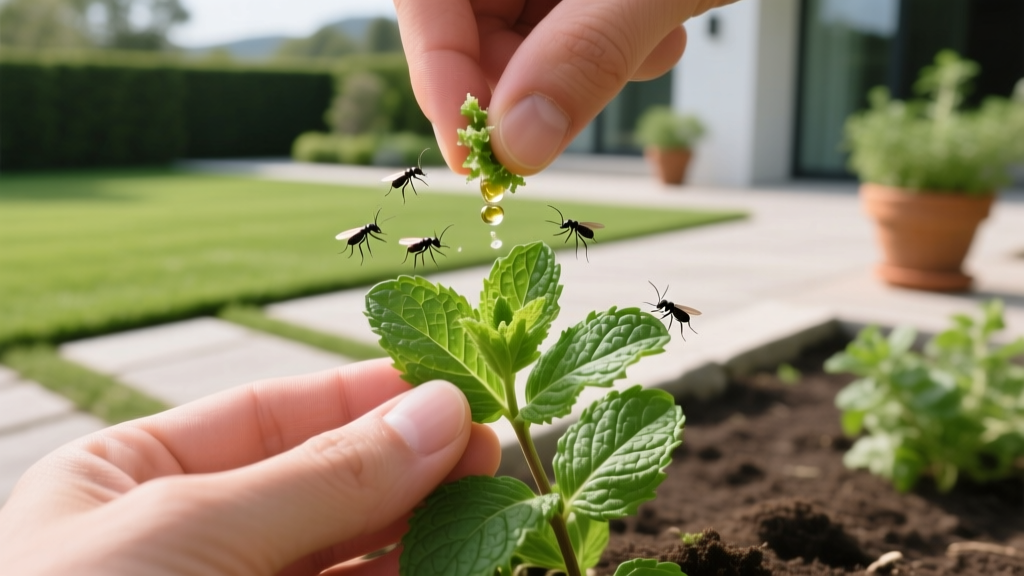
Does Peppermint Kill Fleas? The Science, Risks, and Safe Alternatives
The Short Answer: Does Peppermint Kill Fleas?
No, peppermint oil does not kill fleas. While it possesses mild, short-lived repellent properties due to its strong volatile organic compounds (VOCs), it lacks the chemical mechanism required to penetrate the flea exoskeleton and act as an adulticide. Relying on peppermint oil for flea eradication will result in unbroken reproductive cycles, severe home infestations, and potential veterinary emergencies.
⚠ Critical Warning: Peppermint oil is highly toxic to cats and can cause severe contact dermatitis and neurological distress in dogs. Never apply DIY essential oil blends directly to your pets or their bedding.
The Chemistry of Peppermint Oil vs. Flea Biology
To understand why peppermint fails as a pest control agent, we must examine the intersection of plant terpenes and insect morphology. Peppermint oil (Mentha piperita) is primarily composed of menthol (30-55%), menthone (14-32%), and pulegone. In laboratory settings, high concentrations of these compounds can disrupt insect cell membranes. However, the cat flea (Ctenocephalides felis) possesses a highly resilient cuticle.
Why Menthol and Pulegone Fail as Adulticides
- The Waxy Epicuticle Barrier: Fleas are coated in a lipid-rich epicuticle that repels low-viscosity oils. Without a specialized chemical surfactant or synergist (which DIY peppermint sprays lack), the oil simply beads up and rolls off the insect.
- Insufficient LD50 Penetration: The lethal dose (LD50) of menthol required to cause neurotoxicity in fleas requires direct, prolonged contact at concentrations exceeding 15-20%. Applying a 20% essential oil solution to mammalian skin or pet fur will cause immediate chemical burns, blistering, and systemic toxicity long before it kills the flea.
- Rapid Volatilization: Peppermint oil evaporates rapidly at room temperature. Any minor repellent effect dissipates within 45 to 90 minutes, leaving your yard and home entirely unprotected against emerging pupae.
The Hidden Danger: Peppermint Oil Toxicity in Pets
The most critical reason to abandon peppermint oil for flea control is the severe physiological risk it poses to household pets. According to veterinary toxicologists, the margin of safety for essential oils in companion animals is dangerously narrow.
Cats are particularly vulnerable because they lack the hepatic enzyme glucuronyl transferase. This enzyme is responsible for metabolizing and excreting phenols and monoterpenes (like pulegone and menthol). When a cat grooms fur treated with peppermint oil, the compounds accumulate in the liver, leading to acute hepatic failure, ataxia (loss of coordination), and potentially death.
| Compound in Peppermint Oil | Effect on Dogs | Effect on Cats |
|---|---|---|
| Menthol | Contact dermatitis, mucosal irritation, vomiting if ingested. | Central nervous system depression, severe liver toxicity. |
| Pulegone | Gastrointestinal distress, lethargy, elevated liver enzymes. | Acute hepatic necrosis, seizures, fatal respiratory failure. |
| Menthone | Mild skin sensitization, respiratory irritation from VOCs. | Metabolic acidosis, hypersalivation, tremors. |
What Actually Works: A 3-Step Flea Eradication Protocol
Effective flea management requires breaking the reproductive cycle while safely eliminating adult populations. The Environmental Protection Agency (EPA) and university extension programs recommend an integrated pest management (IPM) approach rather than relying on unproven botanical remedies.
Step 1: Interrupt the Life Cycle with IGRs
Flea eggs and pupae are impervious to most standard insecticides. You must deploy an Insect Growth Regulator (IGR) such as Methoprene or Pyriproxyfen (e.g., Precor 2625 or NyGuard IGR). These synthetic chemicals mimic the flea's juvenile hormone, preventing larvae from molting into biting adults.
- Dilution Rate: Mix 1 ounce of NyGuard IGR concentrate per gallon of water.
- Coverage: One gallon treats approximately 1,500 square feet of indoor carpeting or outdoor shaded areas.
- Cost: Expect to pay $35 to $50 for a concentrate bottle that will last an entire season.
- Longevity: Pyriproxyfen remains active in carpets and soil for up to 7 months, resisting UV degradation better than older IGR formulations.
Step 2: Adulticide Application (Safe Formulations)
For pets, bypass topical essential oils entirely. Modern veterinary medicine utilizes Isoxazolines (e.g., Fluralaner in Bravecto, or Afoxolaner in NexGard). These oral medications circulate in the pet's bloodstream, safely targeting the flea's GABA-gated chloride channels, causing rapid death upon the first bite.
For indoor environmental knockdown, use a pump sprayer with a combination of an IGR and a fast-acting adulticide like Imidacloprid or Dinotefuran. Focus applications on baseboards, pet resting areas, and underneath furniture where flea dirt accumulates.
Step 3: Environmental Control in the Yard
According to University of Minnesota Extension, up to 95% of the flea population exists in the environment as eggs, larvae, and pupae, primarily in shaded, humid yard areas. To treat the lawn safely without harming beneficial pollinators:
- Beneficial Nematodes: Apply Steinernema carpocapsae nematodes. These microscopic worms actively seek out and destroy flea larvae in the soil. Cost is roughly $30 for 10 million nematodes (covers 2,000 sq ft). Apply via hose-end sprayer when soil temperatures are between 60°F and 85°F, and keep the soil moist for 7 days post-application.
- Targeted Bifenthrin Granules: For severe perimeter infestations, apply Bifenthrin granules (e.g., Talstar) strictly to shaded perimeter zones, avoiding open sunny lawns where fleas cannot survive UV exposure anyway.
Entomologist Insight: Flea pupae are encased in a sticky, debris-covered cocoon that is virtually waterproof and impenetrable to chemical sprays. This is why a single treatment never works. You must rely on IGRs to catch them as they emerge, or use physical vibration (walking over carpets, mowing the lawn) to stimulate pupae to hatch into an environment treated with adulticides.
Frequently Asked Questions
Can I put a few drops of peppermint oil on my dog's collar?
No. The continuous localized exposure to concentrated VOCs will cause contact dermatitis, hair loss, and blistering on the dog's neck. Furthermore, the scent radius is less than two inches, offering zero protection for the dog's hindquarters or tail base, where fleas preferentially feed.
Does peppermint extract from the grocery store work?
Grocery store peppermint extract is suspended in an alcohol base and contains a fraction of the active terpenes found in pure essential oils. It is entirely ineffective against fleas and the alcohol base will severely dry out and irritate your pet's skin.
What essential oils are actually safe for flea control?
None are recommended by veterinary dermatologists for direct application. While cedarwood oil and lemongrass oil are sometimes marketed as 'natural' repellents, they lack adulticidal properties, require constant reapplication every two hours, and still carry risks of allergic contact dermatitis in sensitive animals. Stick to EPA-registered synthetic or naturally-derived compounds like Spinosad and Pyriproxyfen for guaranteed efficacy and safety.

