
Pest Control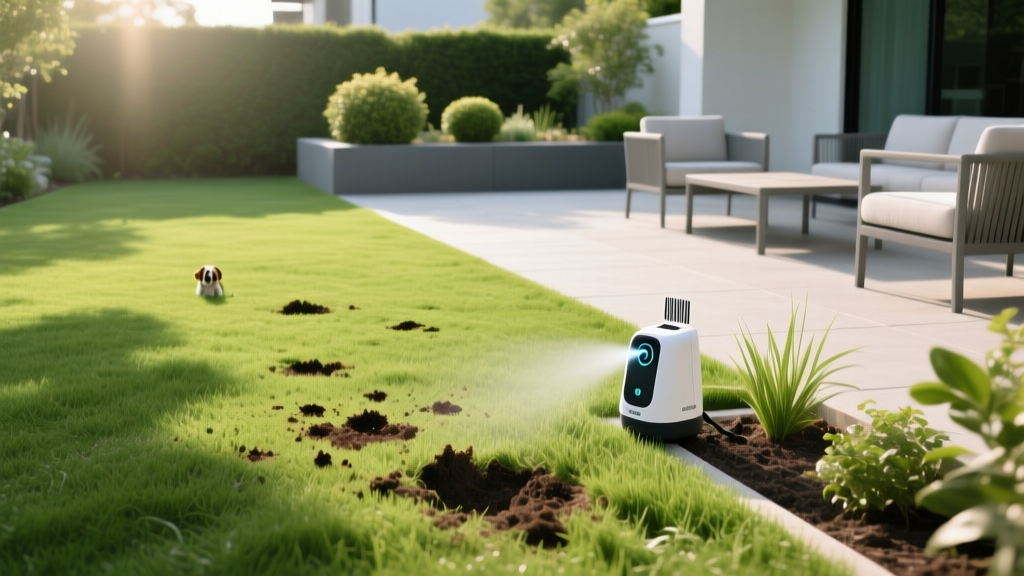
Best Dog Deterrent for Grass: Stop Urine Burns and Digging
The Pest Management Approach to Canine Lawn Damage
When treating lawn damage caused by dogs, the most effective strategy is to approach it like a traditional pest control playbook. Just as you would use integrated pest management (IPM) to handle grubs or Japanese beetles, stopping canine destruction requires a multi-layered defense: physical barriers, behavioral deterrents, and targeted turf recovery. Finding the right dog deterrent for grass isn't about a single magic product; it is about combining boundary training with environmental modifications to protect your root zones and turf canopy.
Myth Buster: The 'Acidic Urine' Fallacy
A common misconception is that dog urine kills grass because it is highly acidic. According to veterinary and agricultural extensions, the pH of dog urine typically ranges from 6.0 to 8.0, which is relatively neutral. The actual culprit is nitrogen overload. Dog urine contains high concentrations of urea (a nitrogen compound). When a dog deposits 50 to 100ml of urine in a single concentrated spot, it acts like an overdose of synthetic 46-0-0 fertilizer, causing immediate root burn and cell desiccation. Dietary supplements marketed to 'lower urine pH' are not only ineffective for lawn protection but can cause severe urinary tract issues in your pet.
Top Physical and Chemical Dog Deterrents for Grass
To keep dogs off your lawn without causing them harm, you need deterrents that trigger a dog's natural flight or avoidance instincts. Below is a comparison matrix of the most effective commercial deterrents available for turf protection.
| Deterrent Type | Top Model / Brand | Estimated Cost | Effectiveness | Best Use Case |
|---|---|---|---|---|
| Motion-Activated Sprinkler | Orbit 62100 Yard Enforcer | $70 - $85 | High (95%) | Large perimeter defense; stops digging and marking. |
| Pressurized Air/Spray | Havahart 1099 Spray Away 2.0 | $60 - $75 | High (90%) | Targeted garden beds and specific lawn zones. |
| Liquid Scent Repellent | Liquid Fence Dog & Cat Repellent | $15 - $22 / Gal | Moderate (65%) | Perimeter borders; requires frequent reapplication. |
| Ultrasonic Emitter | PetSafe Outdoor Bark Control | $45 - $60 | Low-Mod (40%) | Supplemental deterrent; effectiveness varies by breed. |
| Physical Barrier Mat | Amagabeli Prickle Strip | $30 - $40 / Roll | High (85%) | Preventing digging in freshly seeded or bare spots. |
Deep Dive: Motion-Activated Sprinklers
The Orbit 62100 Yard Enforcer remains the gold standard for outdoor canine deterrence. It utilizes an infrared sensor with a 40-foot detection range and a 120-degree viewing angle. When triggered, it releases a sudden, half-second burst of water accompanied by a mechanical 'click' sound. This dual-stimulus (tactile and auditory) startles the dog without causing physical harm. Pro Tip: To prevent the dog from learning the sensor's blind spots, relocate the sprinkler head every 48 hours and adjust the sensitivity dial to avoid false triggers from wind-blown debris.
Step-by-Step Playbook: Training and Boundary Setting
Deterrents only work if paired with active boundary training. If you are dealing with your own dog, follow this 14-day conditioning protocol to establish invisible lawn boundaries.
- Days 1-3 (Leashed Perimeter Walks): Walk your dog on a 6-foot leash along the edge of the restricted lawn area. When they step onto the grass, use a firm verbal cue ('Leave it') and gently guide them back to the designated path (e.g., a mulch bed or gravel walkway). Reward immediately with a high-value treat when they stay on the path.
- Days 4-7 (Active Deterrent Deployment): Set up your motion-activated sprinkler or ultrasonic device. Allow the dog to roam off-leash in the yard. The device will provide the negative reinforcement (the spray or sound) while you provide the positive reinforcement (treats) when they retreat to the safe zone.
- Days 8-14 (Scent Marking): Apply a liquid repellent like Nature's Mace Dog Repellent along the boundary line. The active ingredients (putrescent egg solids and garlic oil) create an olfactory barrier. Reapply every 7 days or immediately after 1 inch of rainfall.
Repairing Existing Damage: The Nitrogen Flush Protocol
Even with the best dog deterrent for grass, accidents happen. When urine burns occur, you must act within an 8-hour window to save the turf crown. Follow this exact remediation sequence:
The 8-Hour Flush Rule
If you catch the dog in the act, immediately flood the spot with 1 to 1.5 gallons of water. This dilutes the urea concentration in the soil profile, pushing it below the root zone before it can cause cellular desiccation. Do not use a high-pressure nozzle, which will wash away topsoil; use a gentle watering can or a hose with a shower-head attachment.
Restoring Dead Patches (The 3-Step Soil Amendment)
If the grass has already turned yellow with a dark green ring (the classic 'halo' effect caused by sub-lethal nitrogen fertilizing the outer edges), the center is dead and requires physical replacement.
- Step 1: Core Extraction. Use a hand trowel to remove the dead grass and the top 2 inches of soil. Dog urine salts and excess nitrogen will be concentrated in this upper layer.
- Step 2: Gypsum Application. Mix calcium sulfate (gypsum) into the exposed soil at a rate of 40 lbs per 1,000 square feet. Gypsum helps displace sodium and improves soil structure, though its primary benefit here is loosening compacted soil caused by dog traffic.
- Step 3: Reseeding with Resistant Cultivars. Avoid Kentucky Bluegrass (Poa pratensis), which is highly susceptible to urine burn. Instead, overseed the patch with Tall Fescue (Festuca arundinacea) or Perennial Ryegrass (Lolium perenne). These species have deeper root systems and higher tolerance to nitrogen spikes. Top with 1/4 inch of peat moss and water twice daily for 14 days.
Dietary Tweaks: What Works and What is Dangerous?
Many homeowners search for dietary solutions to alter their dog's urine. It is critical to separate veterinary science from internet myths. According to the American Kennel Club, attempting to alter your dog's urine pH with tomato juice, apple cider vinegar, or baking soda is ineffective for lawn protection and can lead to metabolic alkalosis or urinary stones.
What actually helps: Increasing your dog's water intake. By feeding a wet-food diet or adding low-sodium bone broth to their kibble, you naturally dilute their urine. A highly hydrated dog produces urine with a lower concentration of urea per volume, significantly reducing the burn radius on your turf. Additionally, products like Dog Rocks (clinoptilolite zeolite) claim to filter nitrates from drinking water, though peer-reviewed veterinary consensus on their efficacy remains mixed.
Frequently Asked Questions
Will cayenne pepper or chili powder hurt my dog if used as a deterrent?
Yes. While capsaicin is a common ingredient in commercial deer repellents, applying raw chili powder to your lawn can cause severe irritation to a dog's eyes, nose, and paw pads if they roll in the grass or sniff the treated area. Always opt for commercial repellents formulated specifically for canines, which use safer olfactory deterrents like garlic and essential oils. Always check the EPA guidelines on safe repellent usage before applying any chemical to your yard.
How do I stop neighborhood dogs from using my lawn as a bathroom?
For stray or neighborhood dogs, training is impossible, so physical and environmental deterrents are mandatory. Install a low-voltage electric pet fence wire just inside your property line (buried 2 inches deep) connected to a boundary alarm, or use the Orbit Yard Enforcer sprinkler pointed toward the sidewalk. Additionally, planting dense, thorny shrubs like Barberry or Holly along the perimeter creates a natural physical barrier that dogs will not cross to reach your turf.
Is there a grass seed that is completely immune to dog urine?
No turfgrass is 100% immune to the nitrogen concentration found in canine urine. However, university extension programs consistently rank Tall Fescue and Perennial Ryegrass as the most resilient. If you are establishing a new lawn in a high-dog-traffic environment, consider a 100% Tall Fescue blend, as its deep 2-to-3-foot root system allows it to recover from surface-level nitrogen burns much faster than shallow-rooted grasses.

