
Pest Control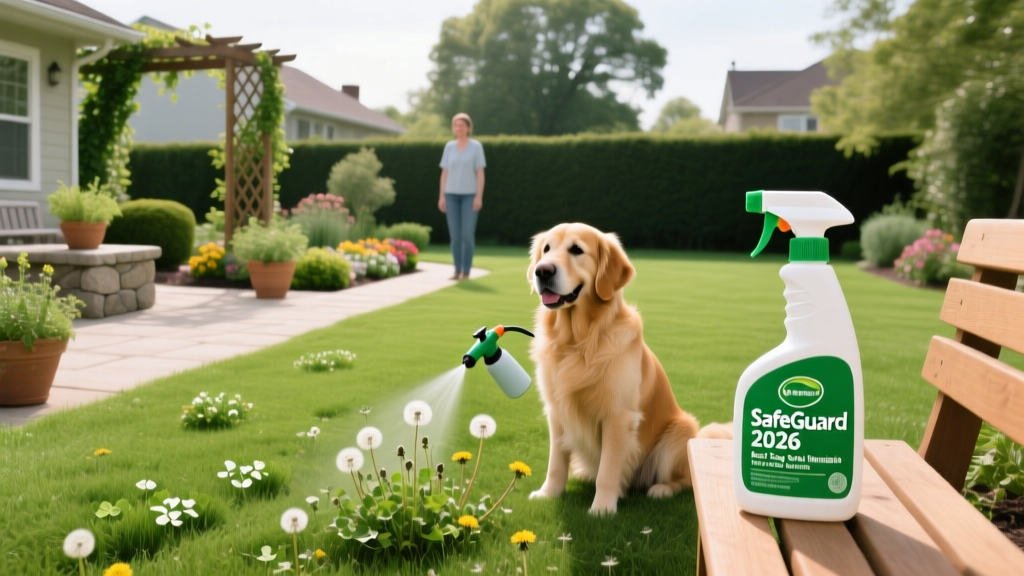
Best Dog Safe Herbicide & Weed Control Options (2026)
The Soil-Weed-Pet Triangle: Rethinking Lawn Care
When managing lawn pests and weeds, homeowners with pets face a critical dilemma: traditional synthetic herbicides like 2,4-D and dicamba pose documented toxicity risks to canines, yet unchecked weeds destroy turf density. The most effective long-term strategy bridges soil nutrition and pet-safe chemical interventions. Weeds are opportunistic; they exploit nutrient deficiencies, compacted soil, and imbalanced pH levels. By correcting the soil's nutritional profile, you naturally suppress weed germination, drastically reducing the volume of herbicides required.
For the weeds that do break through, selecting a herbicide dog safe for your yard requires understanding active ingredients, re-entry intervals, and how these compounds interact with your soil's biology. This guide details the most effective pet-friendly weed control methods available in 2026, integrating soil health diagnostics with targeted, low-toxicity treatments.
Active Ingredients: What Makes an Herbicide Dog Safe?
The term "natural" does not automatically mean safe for pets. To ensure canine safety, we must look at the LD50 (lethal dose for 50% of a test population) and the dermal absorption rates of the active ingredients. According to the EPA's Safe Pest Control guidelines, minimum-risk pesticides and specific chelated compounds offer the best safety margins for mammals.
FeHEDTA (Chelated Iron)
FeHEDTA (Iron ethylenediaminetetraacetic acid) is a selective, broadleaf herbicide. It exploits a physiological difference between monocots (grasses) and dicots (broadleaf weeds). Broadleaf weeds cannot regulate iron uptake, leading to fatal oxidative stress and cellular necrosis within hours. Grasses, however, bind and safely store excess iron. Products like Natria Lawn Weed Control and commercial Fiesta utilize this chemistry. Once the liquid spray dries on the leaf surface (typically 2 to 4 hours), it is safe for dogs to walk on and ingest in trace amounts.
Corn Gluten Meal (CGM)
CGM is a dual-purpose powerhouse: it acts as an organic pre-emergent herbicide and a slow-release nitrogen fertilizer (10-0-0 NPK). It inhibits the formation of the radicle (the initial root) in germinating weed seeds. Because it targets seeds before they establish roots, it has zero toxicity to established plants, humans, or dogs. It is heavily recommended by the National Pesticide Information Center (NPIC) as a safe alternative to synthetic pre-emergents like prodiamine.
⚠️ WARNING: The Horticultural Vinegar Trap
Many DIY guides recommend 20% to 30% acetic acid (horticultural vinegar) as a "natural" weed killer. While it breaks down quickly in the soil, it is not dog safe during application. At 20% concentration, acetic acid is highly corrosive and can cause severe, irreversible corneal damage and respiratory distress if a dog sniffs treated wet foliage. Furthermore, repeated use severely depresses soil pH, locking out essential nutrients like phosphorus and calcium.
Weed Indicator & Soil Nutrition Matrix
Before applying any herbicide, diagnose why the weed is present. Treating the symptom without fixing the soil nutrition guarantees the weed will return. Use this matrix to pair your pet-safe herbicide with the correct soil amendment.
| Weed Indicator | Soil Deficiency / Condition | Nutritional Fix (Soil Amendment) | Pet-Safe Herbicide Action |
|---|---|---|---|
| White Clover | Low Nitrogen, low soil fertility | Apply 1-2 lbs of organic Nitrogen per 1,000 sq ft. | Spot treat with FeHEDTA once dry. |
| Dandelions | Compacted soil, high Potassium, low Calcium | Core aerate; apply gypsum (calcium sulfate) at 40 lbs/1,000 sq ft. | FeHEDTA foliar spray on rosettes. |
| Broadleaf Plantain | Heavy clay, poor drainage, high acidity | Apply dolomitic lime to raise pH to 6.5; top-dress with compost. | Manual extraction or Pelargonic acid. |
| Crabgrass | Thin turf canopy, bare soil exposure | Overseed with dense turf blend; maintain 3-inch mowing height. | Pre-emergent Corn Gluten Meal (CGM). |
Product Comparison: Efficacy, Cost, and Re-Entry
Choosing the right product depends on whether you are preventing weeds (pre-emergent) or killing existing ones (post-emergent). Below is a 2026 market comparison of the top dog safe herbicide options.
| Active Ingredient | Type | Target Weeds | Pet Re-Entry Time | Est. Cost per 1,000 sq ft | Soil Impact |
|---|---|---|---|---|---|
| FeHEDTA | Post-Emergent (Selective) | Dandelion, Clover, Thistle | When dry (2-4 hrs) | $6.00 - $9.00 | Adds trace iron; darkens turf. |
| Corn Gluten Meal | Pre-Emergent + Fertilizer | Crabgrass, Foxtail, Pigweed | Immediate (0 hrs) | $12.00 - $15.00 | Adds organic Nitrogen (10-0-0). |
| Pelargonic Acid | Post-Emergent (Non-Selective) | All broadleaf and grassy weeds | When dry (1-2 hrs) | $8.00 - $11.00 | Biodegrades rapidly; no residual. |
| 20% Acetic Acid | Post-Emergent (Non-Selective) | All vegetation (burn-down) | 24+ hours (Corrosive) | $4.00 - $6.00 | Lowers soil pH; harms microbes. |
Step-by-Step Application Protocol for Pet Owners
To maximize efficacy and ensure your dog's safety, follow this precise application sequence for the two most effective pet-safe options: FeHEDTA and Corn Gluten Meal.
Phase 1: Pre-Emergent Defense (Early Spring / Late Fall)
- Monitor Soil Temperature: Use a soil probe thermometer. Apply Corn Gluten Meal (CGM) when soil temperatures at a 2-inch depth consistently reach 50°F to 55°F (crucial for crabgrass prevention).
- Calculate the Rate: Apply exactly 20 lbs of CGM per 1,000 square feet. This provides the 2 lbs of Nitrogen required for turf feeding and the allelopathic concentration needed to inhibit weed seed radicles.
- Watering Rule: Water the lawn lightly (1/4 inch) immediately after application to activate the CGM, but do not saturate the soil, which will wash the protein barrier away.
- Pet Access: Dogs can walk on the lawn immediately. CGM is essentially a food-grade byproduct and poses zero ingestion risk.
Phase 2: Post-Emergent Spot Treatment (Mid-Spring to Summer)
- Timing the Spray: Apply FeHEDTA (chelated iron) on a calm, overcast day when temperatures are between 60°F and 80°F. Avoid spraying in direct, hot sunlight to prevent turf phytotoxicity (temporary grass bronzing).
- Application Technique: Use a pump sprayer with a fan nozzle. Coat the broadleaf weed foliage until wet, but avoid runoff onto the soil. FeHEDTA is a foliar-absorbed herbicide; soil contact reduces efficacy.
- Mowing Restriction: Do not mow for 48 hours before or 48 hours after application. The weed needs maximum leaf surface area to absorb the iron.
- Pet Re-Entry: Keep dogs off the treated zones until the liquid has completely dried. In high humidity, this may take up to 4 hours. Once dry, the iron is bound to the plant tissue and is safe for pets.
💡 Pro Tip: Surfactant Selection
Many commercial FeHEDTA products include synthetic surfactants. If mixing your own or looking for a pet-safe sticker, use a non-ionic surfactant derived from yucca extract or a few drops of pure castile soap. This breaks the surface tension of the weed's waxy cuticle, increasing herbicide absorption by up to 40% without adding toxic petroleum-based chemicals to your lawn.
Frequently Asked Questions
Can my dog get sick from eating grass treated with chelated iron (FeHEDTA)?
Once the spray has dried, the risk is negligible. FeHEDTA has a very low mammalian toxicity profile. The ASPCA Animal Poison Control notes that while ingesting large quantities of liquid iron supplements can cause gastrointestinal upset in dogs, the trace amounts bound to dried grass blades are insufficient to cause systemic toxicity. However, always prevent dogs from drinking from puddles immediately after any liquid lawn application.
Why did my Corn Gluten Meal fail to stop dandelions?
Corn Gluten Meal is strictly a pre-emergent. It only stops seeds from developing roots. Dandelions are perennial weeds that regenerate from deep taproots already established in the soil. CGM will not kill existing dandelions. You must use a post-emergent pet-safe option like FeHEDTA or manual extraction for established perennials, reserving CGM for annual weeds like crabgrass and spurge.
Does pet urine negate the effects of soil nutrition and herbicides?
Dog urine introduces massive, localized spikes of urea (nitrogen) and salts, which burns turf and creates bare patches where weeds quickly invade. To counteract this, train your dog to use a specific mulched area. If they urinate on the lawn, immediately dilute the spot with 2 gallons of water to push the salts below the root zone. Do not apply FeHEDTA to urine-burned patches, as the stressed grass may absorb excess iron and suffer further tissue damage.

