
Pest Control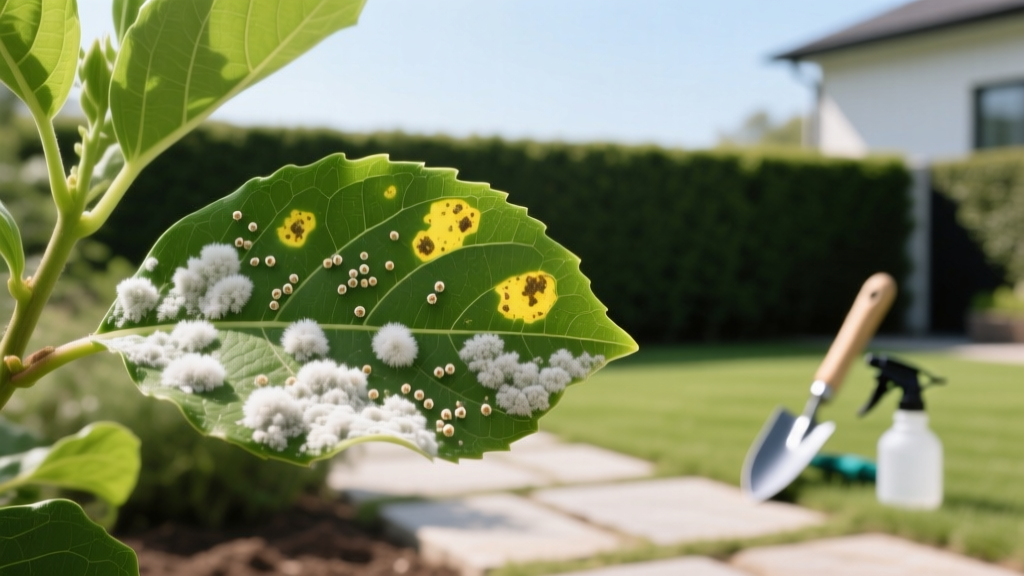
Downy Mildew on Plants: Identification and Treatment Guide
The Biology of Downy Mildew: Understanding the Oomycete Threat
To effectively eradicate downy mildew, you must first understand that it is not a true fungus. Downy mildew is caused by oomycetes (water molds), specifically genera like Peronospora, Plasmopara, and Bremia. This biological distinction is critical because many broad-spectrum fungicides designed for true fungi (like those targeting ergosterol synthesis) are completely ineffective against oomycetes. According to the American Phytopathological Society, oomycetes have cell walls made of cellulose and glucans, rather than the chitin found in true fungi, requiring entirely different chemical intervention strategies.
The pathogen thrives under a very specific microclimate known as the infection triangle. Spore germination and host penetration require continuous leaf wetness for 4 to 6 hours, ambient temperatures between 58°F and 72°F (14°C–22°C), and relative humidity exceeding 85%. When these conditions align, sporangia release motile zoospores that swim through water films on the leaf surface to locate stomata, initiating the infection cycle.
Expert Insight: Downy mildew is highly host-specific. The strain attacking your cucurbits (cucumbers, squash) will not infect your basil or impatiens. Always identify the host plant to predict the specific pathogen species and its unique life cycle.
Diagnostic Matrix: Downy Mildew vs. Powdery Mildew
Homeowners frequently confuse downy mildew with powdery mildew, leading to disastrous treatment failures. Use this diagnostic matrix to confirm your pathogen before purchasing chemicals.
| Diagnostic Feature | Downy Mildew (Oomycete) | Powdery Mildew (True Fungus) |
|---|---|---|
| Leaf Location | Primarily on the underside of leaves | Primarily on the top of leaves |
| Sporulation Color | Gray, purple, brown, or black fuzz | White to light gray powdery dust |
| Lesion Shape | Angular, blocky patches bounded by leaf veins | Circular, spreading spots not bound by veins |
| Ideal Temperature | Cool (58°F – 72°F) | Warm (70°F – 85°F) |
| Moisture Need | Requires high humidity and wet foliage | Thrives in dry climates; water inhibits spores |
Step-by-Step Eradication Protocol
Once downy mildew is confirmed, immediate action is required. The pathogen can defoliate a mature plant in under 14 days if left unchecked. Follow this phased approach to halt the spread.
Phase 1: Surgical Sanitation
- Isolate and Assess: Identify all plants showing the characteristic angular yellowing on the upper leaf surface. Check the undersides with a 10x jeweler's loupe for fuzzy sporulation.
- Prune Aggressively: Using bypass pruners, cut infected leaves and stems at least 2 inches below the lowest visible lesion margin. Oomycetes grow systemically within the plant tissue; surface removal is insufficient.
- Sterilize Between Cuts: Wipe your pruner blades with 70% isopropyl alcohol after every single cut. Do not use a 10% bleach solution, as it corrodes high-carbon steel blades and dulls the cutting edge, causing tissue crushing that invites secondary bacterial infections.
- Destroy Debris: Bag all pruned material immediately. Do not drop infected leaves on the soil, as sporangia will splash back onto lower canopy leaves during the next rain event.
Phase 2: Targeted Chemical Intervention
Because oomycetes lack chitin, you must use fungicides specifically labeled for water molds. The University of California Integrated Pest Management (UC IPM) program emphasizes the use of phosphites and copper-based protectants for effective control.
Recommended Fungicide Arsenal (2026 Pricing)
- Monterey Garden Phos Systemic Fungicide: Active ingredient is Potassium salts of phosphorous acid (45.8%). This is a systemic xylem-mobile treatment that halts internal mycelial growth.
Mix Rate: 1.25 to 2.5 fl oz per gallon of water.
Cost: ~$28 for a 32 oz bottle.
Application: Apply as a foliar spray every 14-21 days during active outbreaks. - Bonide Liquid Copper Fungicide: Active ingredient is Copper Octanoate (10.1%). This acts as a contact protectant, preventing zoospore germination on the leaf surface.
Mix Rate: 2 tablespoons (1 fl oz) per gallon of water.
Cost: ~$16 for a 16 oz bottle.
Application: Apply every 7-10 days. Ensure complete coverage of the undersides of the leaves.
Breaking the Infection Triangle: Environmental Controls
Chemical treatments will only provide temporary relief if the environmental conditions favoring the pathogen remain unchanged. You must alter the garden microclimate to break the infection triangle.
- Switch to Drip Irrigation: Overhead sprinklers guarantee the 4-hour leaf wetness period required for spore germination. Install drip tape or soaker hoses to deliver water directly to the root zone, keeping the canopy entirely dry.
- Optimize Watering Windows: If you must hand-water, do so strictly between 6:00 AM and 10:00 AM. This allows the sun and morning breeze to evaporate residual moisture before nightfall, when humidity naturally spikes and temperatures drop into the optimal 58°F–72°F infection range.
- Canopy Thinning: Remove the bottom 20% of foliage on indeterminate plants like tomatoes and cucumbers. This eliminates the "splash zone" where soil-borne inoculum first contacts the plant and increases basal airflow, reducing localized humidity.
- Strategic Spacing: When planning next season's layout, increase standard spacing guidelines by 25%. If a seed packet recommends 18-inch spacing for bush squash, plant at 24 inches to ensure adequate cross-breezes.
⚠️ Critical Composting Warning
Never compost downy mildew-infected plant material. Home compost piles rarely achieve the sustained 140°F+ internal temperatures required to destroy resilient oospores (the pathogen's overwintering survival structures). These oospores can survive in soil for up to 5 years. Always dispose of infected debris in sealed municipal yard waste bags or burn it where local ordinances permit.
Long-Term Resistance Management
Oomycetes are notorious for developing rapid resistance to single-site mode-of-action fungicides. To protect the efficacy of your chemical arsenal, you must rotate your treatments. Alternate between your systemic phosphite (Monterey Garden Phos) and your contact copper (Bonide Liquid Copper) on a spray-by-spray basis. Never apply the same chemical class more than twice consecutively. By combining precise diagnostic identification, targeted oomycete-specific chemistry, and rigorous microclimate management, you can successfully eradicate downy mildew and protect your garden's yield.

