
Pest Control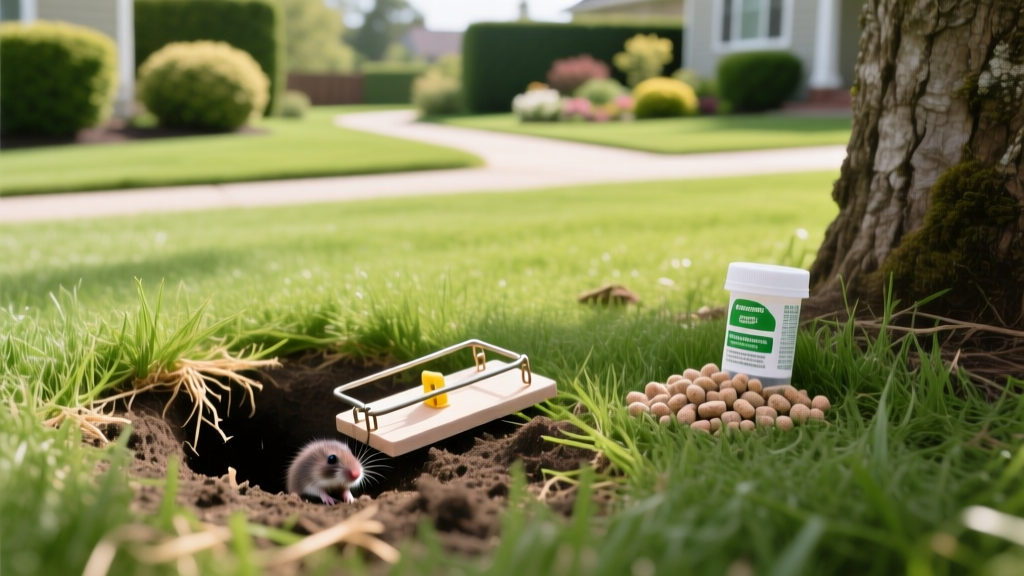
Effective Voles Removal Strategies: Traps, Baits, and Lawn Recovery
The Hidden Threat of Meadow Mice
When homeowners discover shallow, winding trenches snaking through their turf or find young saplings mysteriously girdled at the base, they often blame moles. However, the actual culprit is usually the meadow vole (Microtus pennsylvanicus). Unlike moles, which are insectivores that tunnel deep underground, voles are herbivores that create surface runways to feast on grass crowns, roots, and tree bark. A single pair of voles can produce up to 100 offspring in a single year, turning a minor nuisance into a severe landscape crisis. Executing a successful voles removal protocol requires a multi-phase approach combining immediate population reduction with long-term habitat modification and specialized turf recovery.
Voles vs. Moles: Identifying the Real Culprit
Applying mole control tactics to a vole infestation will waste time and money. Use this diagnostic matrix to confirm the species damaging your property before deploying traps or baits.
| Feature | Voles (Meadow Mice) | Moles |
|---|---|---|
| Diet | Herbivores (grass, roots, bark, bulbs) | Insectivores (grubs, earthworms) |
| Surface Evidence | 1.5 to 2-inch wide surface runways, no soil mounds | Raised soil ridges, distinct volcano-shaped dirt mounds |
| Plant Damage | Clipped grass crowns, gnawed bark at soil line | Roots lifted and dried out by tunneling, no chewing |
| Winter Activity | Highly active under snow cover (subnivean zone) | Deep hibernation or reduced deep-tunnel activity |
Phase 1: Strategic Trapping for Immediate Population Control
Trapping is the most environmentally sound and immediate method for voles removal, particularly in early spring or late fall when natural food sources are scarce and voles are actively foraging. Standard wooden snap traps or specialized models like the Victor M040-12 Easy Set (retailing around $10 for a 12-pack) are highly effective when placed correctly.
The PVC Pipe Trap Shield Technique
Never leave snap traps exposed. Exposed traps pose a severe risk to ground-foraging birds, pets, and beneficial wildlife. Furthermore, voles are thigmotactic—they prefer to move in enclosed, tight spaces. Creating a trap shield increases your catch rate while ensuring safety.
- Locate Active Runways: Identify fresh runways by looking for newly clipped grass and small, pellet-like droppings. Clear a small section of the runway down to the bare soil.
- Prepare the Bait: Voles are attracted to high-carbohydrate and high-sugar foods. Mix rolled oats with peanut butter, or use a fresh slice of apple. Avoid cheese or meat-based baits.
- Position the Trap: Place the snap trap perpendicular to the runway, with the trigger pan directly in the path of the tunnel. The vole should trip the trigger by walking directly over it, not by approaching from the side.
- Deploy the Shield: Cut an 18-inch length of 3-inch diameter PVC pipe. Alternatively, use a dark plastic shoebox with 2-inch diameter holes cut into both ends. Place the shield over the trap, ensuring the runway enters and exits the shield unobstructed.
- Monitor and Reset: Check traps daily. Wear nitrile gloves when handling traps to minimize human scent, though voles are less scent-averse than rats. Reset immediately upon a catch.
Phase 2: Chemical Baits and Rodenticides
When trapping is impractical due to the sheer scale of the infestation (e.g., large acreage or extensive golf course roughs), toxic baits become necessary for comprehensive voles removal. However, chemical control requires strict adherence to safety protocols to prevent secondary poisoning of raptors and domestic pets.
⚠️ Rodenticide Safety Warning: Never broadcast toxic bait pellets across an open lawn. The EPA mandates that outdoor rodenticides be applied in tamper-resistant bait stations or placed directly inside active subterranean burrows to prevent non-target species exposure.
Active Ingredients to Look For
- Bromethalin (e.g., Tomcat Bait Chunx): A neurotoxin that disrupts cellular energy production. It is a single-dose or multi-dose bait depending on the concentration. Cost: ~$18 per pound. Note: There is no known antidote for bromethalin poisoning in pets.
- Zinc Phosphide (e.g., ZP Rodent Bait): A fast-acting, single-dose acute toxicant. When ingested, it reacts with stomach acid to release highly toxic phosphine gas. Cost: ~$25 per pound. It is highly effective for rapid population crashes but poses inhalation risks if applied in poorly ventilated, enclosed spaces.
- First-Generation Anticoagulants (e.g., Diphacinone): Requires multiple feedings over 3-5 days. While effective, the risk of secondary poisoning to owls and hawks that consume affected voles is significantly higher compared to acute toxicants.
Phase 3: Turf Recovery and Biological Deterrence
Once the active population is suppressed, repairing the landscape is critical. Vole damage often manifests as 'clipping'—they sever the grass at the crown, killing the plant entirely. According to turf management research from Penn State Extension, simply raking and overseeding standard Kentucky Bluegrass will only invite the next generation of voles back to the buffet.
The Endophyte Advantage
To biologically deter future infestations, overseed damaged areas with endophyte-enhanced Tall Fescue (Festuca arundinacea). Endophytes are beneficial, naturally occurring fungi (such as Epichloë coenophiala) that live symbiotically within the grass tissue. These fungi produce alkaloids that make the grass taste intensely bitter and mildly toxic to herbivores, including voles, while simultaneously increasing the turf's drought and heat tolerance. Look for commercial seed blends explicitly labeled as 'endophyte-enhanced' or 'AR542' (a specific, highly resilient endophyte strain).
Soil and Root Rehabilitation Steps
- Deep Raking: Use a metal thatching rake to aggressively pull out dead grass, loose soil, and fecal matter from the runways.
- Core Aeration: Vole tunnels compact the surrounding soil. Run a core aerator over the affected zones to relieve compaction and improve water infiltration.
- Topdressing: Apply a 1/4-inch layer of screened compost over the damaged areas to provide a nutrient-rich seedbed.
- Overseed and Roll: Broadcast the endophyte-enhanced fescue seed at a rate of 6-8 lbs per 1,000 sq ft, then use a lightweight lawn roller to ensure seed-to-soil contact.
Habitat Modification: Making Your Yard Unhospitable
Long-term voles removal relies on eliminating the protective cover they need to evade predators like hawks, snakes, and foxes. Implement these specific landscape modifications:
- Mowing Height: Maintain your lawn at a maximum height of 2.5 to 3 inches. Taller grass provides the canopy cover voles need to build surface runways.
- Mulch Management: Pull mulch back at least 3 feet from the base of young trees and ornamental shrubs. Mulch piled against trunks (volcano mulching) creates an ideal, hidden feeding zone for bark-girdling voles.
- Hardware Cloth Exclusion: For high-value saplings, install a cylinder of 1/4-inch galvanized hardware cloth. Bury the bottom edge 6 inches deep into the mineral soil and extend it 18 inches above the anticipated winter snow line. Ensure the cylinder is wide enough to accommodate 5 years of trunk growth.
Cost Breakdown: DIY vs. Professional Voles Removal (2026 Estimates)
Understanding the financial commitment helps homeowners decide whether to tackle the infestation independently or hire licensed wildlife control operators.
| Method | Estimated Cost | Best Use Case |
|---|---|---|
| DIY Trapping (Snap traps + PVC shields) | $30 - $60 | Small yards, localized runway networks, eco-conscious homeowners. |
| DIY Chemical Baiting (Bromethalin + Bait stations) | $50 - $90 | Medium to large properties, heavy infestations where trapping is too slow. |
| Professional Wildlife Control | $350 - $650 | Severe property damage, commercial landscapes, or failure of DIY methods. |
| Turf Recovery (Aeration, compost, endophyte seed) | $120 - $250 | Post-removal lawn rehabilitation for up to 5,000 sq ft of damage. |
Frequently Asked Questions
Do ultrasonic repellents work for voles removal?
No. Independent studies, including data reviewed by the University of Maryland Extension, consistently show that ultrasonic stakes, vibrating windmills, and solar-powered sonic spikes have no statistically significant impact on vole behavior or population density. Voles quickly habituate to the noise and vibrations, rendering these devices useless.
Will treating my lawn for grubs get rid of voles?
No. This is a common misconception that confuses voles with moles. Moles eat grubs; voles eat plant matter. Applying chemical grub controls like imidacloprid or beneficial nematodes will not deter voles and may unnecessarily introduce pesticides into your soil ecosystem.
How deep do voles burrow?
While primarily surface dwellers, voles will dig shallow burrows for nesting and food storage, typically ranging from 4 to 12 inches deep. During harsh winters, they may dig slightly deeper to access root systems below the frost line, but they rarely excavate the deep, complex tunnel networks associated with moles or groundhogs.
For more detailed regional guidelines on wildlife management and pesticide regulations, always consult your local cooperative extension office or refer to resources provided by NC State Extension before applying restricted-use rodenticides.

