
Pest Control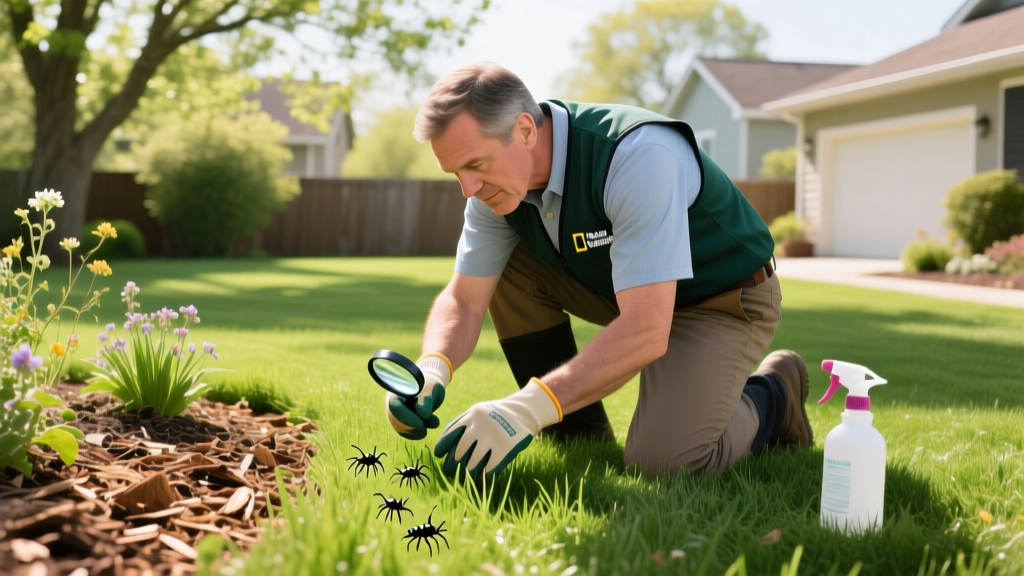
Stop Getting Fleas from Grass: Expert Yard Defense Guide
The Biology of Yard Fleas: Why They Target Your Grass
When you walk across your lawn and end up with itchy ankles, you are experiencing a biological ambush. Fleas do not actually live in open, sunlit grass blades. Instead, they inhabit the microclimate of the thatch layer and the top half-inch of soil where humidity remains between 70% and 85%. According to the Centers for Disease Control and Prevention (CDC), fleas require specific environmental thresholds to survive off-host; direct sunlight and temperatures above 95°F are lethal to their larvae.
Adult fleas exhibit a behavior known as 'questing.' They climb to the top of the thatch or the tips of shaded grass blades, detect the carbon dioxide and body heat of a passing host (you or your dog), and jump. If you are constantly getting fleas from grass, your yard has developed shaded, moist micro-habitats that protect the pupal stage—the most resilient phase of the flea life cycle, which can remain dormant in a protective cocoon for up to five months waiting for a host.
The White Sock Diagnostic Test: Before treating, pull white knee-high cotton socks over your pant legs. Walk slowly through suspected shaded areas of your yard, scuffing your feet slightly in the grass. Stop every 10 feet and count the dark brown fleas clinging to the white fabric. This provides a precise baseline of infestation density and maps your exact treatment zones.
Diagnosing the Hotspots: Where Fleas Hide in Your Lawn
Treating your entire 10,000-square-foot lawn is a waste of chemicals and money. Fleas are highly localized. Focus your yard defense protocol exclusively on these high-risk vectors:
- Dappled Shade Zones: Areas under tree canopies or near shrubs where sunlight is filtered but not entirely blocked.
- Perimeter Fence Lines: Wooden fences trap moisture and provide shade, creating ideal pupation zones.
- Under-Structure Cavities: The soil beneath decks, porches, and sheds where rodents frequently nest and drop flea eggs.
- Dog Runs and Kennels: High-traffic pet areas where organic matter (feces, shed hair, and food) accumulates in the soil.
Step-by-Step Yard Defense Protocol
Eradicating fleas from grass requires a multi-pronged approach that attacks the adult population while simultaneously halting the reproductive cycle. Follow this exact sequence for maximum efficacy.
Phase 1: Cultural Controls and Habitat Disruption
Fleas rely on humidity. Altering the lawn's physical structure is your first line of defense. Mow your grass to a height of 2.5 inches. This specific height removes the upper canopy that traps ground-level moisture while keeping the turf long enough to prevent soil desiccation. Bag the clippings immediately—do not mulch them back into the lawn, as this reintroduces organic debris that flea larvae feed on. Rake heavily shaded areas to break up the thatch layer, exposing the soil surface to UV light.
Phase 2: Biological Warfare (Beneficial Nematodes)
For an organic, pet-safe approach, deploy Heterorhabditis bacteriophora (Hb) nematodes. These microscopic worms actively seek out and infect flea larvae and pupae in the soil, releasing bacteria that kill the pest within 48 hours.
Application Specifics: Purchase refrigerated Hb nematodes (such as Scanmask 20 Million Live Beneficial Nematodes, typically $35–$45). Apply at a rate of 1 million nematodes per 1,000 square feet. Because UV light kills them instantly, apply only at dusk or on heavily overcast days. The soil temperature must be between 55°F and 90°F. Water the lawn deeply before application to soften the soil, and water lightly immediately after to wash the nematodes down into the thatch layer.
Phase 3: Chemical Interventions (IGR + Adulticide Tank Mix)
If the infestation is severe, biological controls may be too slow. You must use a tank mix combining a fast-acting adulticide with an Insect Growth Regulator (IGR). The Environmental Protection Agency (EPA) notes that combining these modes of action prevents the rapid resistance fleas develop against single-chemical treatments.
The Professional Tank Mix:
- Adulticide: Bifen IT (7.9% Bifenthrin). This synthetic pyrethroid provides rapid knockdown of questing adults and leaves a 30-day residual barrier.
- IGR: NyGuard IGR (Pyriproxyfen). This mimics juvenile hormones, preventing eggs from hatching and larvae from molting into adults for up to 7 months.
- Mixing Rate: In a 1-gallon or 2-gallon pump sprayer, mix 1 ounce of Bifen IT and 0.125 ounces (1/8 oz) of NyGuard IGR per gallon of water.
- Coverage: 1 gallon of this mixture treats exactly 1,000 square feet. Spray the designated hotspot areas until the grass and topsoil are visibly wet, but not to the point of runoff.
Pollinator Protection: Bifenthrin is highly toxic to bees. Never spray flowering weeds, clover patches, or blooming landscape beds. Mow any flowering weeds in the treatment zone prior to application to eliminate foraging pollinators from the area.
Chemical vs. Biological Flea Control: Comparison Matrix
Choosing between nematodes and chemical sprays depends on your specific yard conditions, budget, and household safety requirements.
| Feature | Beneficial Nematodes (Hb) | Chemical Tank Mix (Bifen + IGR) |
|---|---|---|
| Target Life Stages | Larvae and Pupae | Adults, Eggs, and Larvae |
| Speed of Control | 7 to 14 days | 24 to 48 hours |
| Residual Lifespan | Active while soil is moist (approx. 60 days) | Adulticide: 30 days / IGR: 7 months |
| Pet & Child Safety | 100% safe immediately after application | Safe only after surfaces are completely dry |
| Cost per 5,000 sq ft | $90 - $110 | $45 - $60 |
Rodent Vector Management: Breaking the Re-Infestation Cycle
Treating the grass is useless if you ignore the vectors delivering the fleas. Fleas do not spontaneously generate in your soil; they are introduced by mammals. While pets are obvious culprits, wild rodents are the primary reason yards suffer from chronic, recurring flea outbreaks.
Norway rats, roof rats, and deer mice carry massive flea burdens. As they navigate your fence lines and burrow under your sheds, they shed flea eggs and adults into your turf. To establish true yard defense, you must integrate rodent control into your pest management plan.
Strategic Bait Station Placement
Do not broadcast rodenticide, which poses severe risks to secondary predators like owls and hawks. Instead, use tamper-resistant bait stations (such as the Protecta LP Rat Bait Station, approx. $15 each). Secure these stations every 15 to 20 feet along the interior of your fence line, specifically near compost piles, woodpiles, and shed foundations. Bait them with a single-feeding active ingredient like Bromethalin (e.g., Tomcat All-Weather BLOX), which eliminates rodents before they can retreat into deep burrows to die and decompose with their flea burdens intact.
Post-Treatment Lawn Recovery & Maintenance
After executing the chemical or biological treatment, allow the yard to rest for 48 hours. Once the initial knockdown is complete, shift your focus to lawn health. Aerate compacted soil in high-traffic dog runs to improve drainage and reduce the thatch buildup that shelters pupae. Apply a high-potassium fertilizer (such as a 0-0-50 Sulphate of Potash application) to strengthen grass cell walls, making the turf more resilient to the foot traffic required during your ongoing flea monitoring.
Re-test your yard using the white sock method every 14 days. If you capture more than 3 to 5 fleas per 100-foot transect, a secondary application of the IGR is required to break the newly hatched generation before they reach reproductive maturity.

