
Pest Control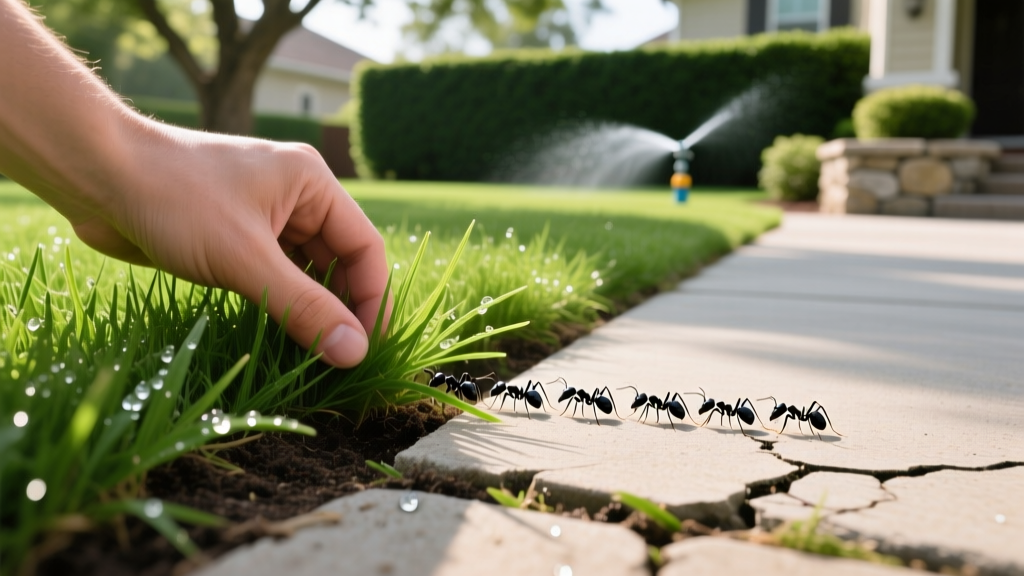
How to Get Rid of Little Black Ants: Yard & Perimeter Defense
Understanding the Monomorium Minimum Invasion
Little black ants (Monomorium minimum) are among the most persistent nuisance pests in North American yards. Measuring just 1/16 of an inch in length, these tiny insects establish massive, polygynous colonies (meaning they have multiple queens) in soil, beneath mulch, under stepping stones, and within rotting landscape timber. When their outdoor foraging trails intersect with your home's foundation, they quickly exploit microscopic cracks to invade kitchens and pantries.
Successfully learning how to get rid of little black ants requires abandoning the instinct to spray visible foragers with fast-acting contact insecticides. Because their colonies contain dozens of queens, spraying a visible trail simply triggers a survival response called "budding," where the colony fractures into multiple new satellite nests, multiplying your infestation. Eradication requires a strategic combination of slow-acting toxic baits, targeted perimeter barriers, and specific landscape modifications.
Field Identification Checklist:
- Size: 1/16 inch (approx. 1.5 mm) long.
- Color: Shiny black to very dark brown.
- Waist (Petiole): Two distinct nodes (segments) between the thorax and abdomen.
- Behavior: Forms distinct, highly visible foraging trails along edges, baseboards, and garden borders.
Phase 1: Colony Elimination via Trophallaxis
The cornerstone of little black ant control is exploiting their social feeding behavior, known as trophallaxis. Forager ants consume liquid or gel baits and carry the slow-acting active ingredient back to the nest, regurgitating it to feed the queens, larvae, and other workers. This ensures the entire colony is poisoned from the inside out.
Selecting the Right Bait Matrix
Little black ants exhibit seasonal dietary shifts. In the spring and early summer, they aggressively seek out carbohydrates (sweets) to fuel foraging workers. By late summer and autumn, their dietary needs shift toward proteins and fats to support larval development and queen reproduction. If a sweet bait is ignored, it is usually due to this seasonal protein shift, not bait failure.
- Sweet Baits (Spring/Summer): Terro T300B Liquid Ant Baits (Active ingredient: 5.4% Borax). Priced around $6 for a 12-station pack, borax disrupts the ant's digestive system slowly enough to allow for multiple feeding cycles and nest sharing.
- Protein/Fat Baits (Late Summer/Fall): Maxforce Fleet Ant Bait Gel (Active ingredient: 0.01% Imidacloprid). Priced around $28 for a 27-gram tube, this gel matrix contains a broader nutrient profile that appeals to colonies shifting away from pure sugars.
"Never apply residual sprays near active bait stations. If you kill the foragers before they can transport the bait back to the subterranean nest, the queens will simply continue breeding, rendering your baiting effort entirely useless."
Phase 2: Establishing a Chemical Perimeter Barrier
Once the primary outdoor nests have been eliminated via baiting (which typically takes 7 to 14 days), you must establish a chemical barrier to prevent neighboring colonies from migrating into your yard. For this, a micro-encapsulated or suspension concentrate pyrethroid is the industry standard.
Bifen IT (Bifenthrin 7.9%) Application Protocol
Bifen IT is a highly effective, long-residual insecticide that binds well to soil and porous concrete. A 16-ounce bottle costs approximately $45 and yields enough diluted solution to treat the perimeter of an average suburban home for an entire year.
- Mixing Ratio: Combine 1 fluid ounce of Bifen IT per 1 gallon of water in a pump spraker. This rate treats 1,000 square feet.
- The 2x2 Rule: Spray the foundation wall 2 feet up from the soil line, and spray the soil/mulch 2 feet out from the foundation. This creates a 4-foot continuous chemical moat.
- Trenching for Soil Penetration: If the soil is heavily compacted or hydrophobic, use a hand trowel to dig a shallow 2-inch trench against the foundation before spraying, ensuring the bifenthrin reaches the root zone where ants often tunnel.
- Drying Time: Allow the application to dry completely (usually 1-2 hours). Once dry, the bifenthrin is locked into the substrate and is safe for pets and children to walk on.
Product Comparison Matrix: Ant Control Arsenal
| Product Type | Active Ingredient | Kill Speed | Estimated Cost | Primary Use Case |
|---|---|---|---|---|
| Liquid Bait Stations | Borax (5.4%) | Slow (3-7 days) | $5 - $8 | Spring/Summer sweet foraging trails |
| Gel Bait | Imidacloprid (0.01%) | Slow (5-10 days) | $25 - $30 | Late summer protein/fat dietary shifts |
| Suspension Concentrate | Bifenthrin (7.9%) | Fast contact / 90-day residual | $40 - $50 (16 oz) | Foundation perimeter barrier defense |
| Contact Aerosol | Tetramethrin / PBO | Instant (Seconds) | $6 - $10 | NOT RECOMMENDED (Causes colony budding) |
Landscaping Modifications to Deter Subterranean Nests
Chemical treatments will eventually degrade due to UV exposure and rainfall. Long-term yard defense requires altering the microclimates that Monomorium minimum prefers. According to integrated pest management guidelines outlined by the University of California Statewide IPM Program, cultural controls are vital for suppressing ant populations without heavy reliance on pesticides.
Mulch and Moisture Management
Little black ants thrive in the stable temperature and high humidity provided by thick landscape mulch. Maintain a strict "mulch-free zone" extending at least 6 to 12 inches away from your home's foundation. Replace organic wood mulch near the foundation with inorganic barriers like crushed gravel or river rock, which drain rapidly and do not retain the moisture ants require for brood development.
Eradicating Honeydew-Producing Insects
Ants act as agricultural protectors for sap-sucking insects like aphids, scale, and whiteflies. These pests excrete a sugary waste called honeydew, which serves as a primary carbohydrate source for ant colonies. Inspect your ornamental shrubs and fruit trees for sooty mold (a black fungus that grows on honeydew). Treat the plants with horticultural oil or insecticidal soap to eliminate the aphids, thereby cutting off a major food supply that sustains the ant colony.
Troubleshooting Common Bait Failures
If you have placed baits but the ants continue to thrive, consider these three common failure points:
- Competing Food Sources: If pet food, spilled birdseed, or unsealed compost bins are available in the yard, ants will ignore your bait. Eliminate all alternative food sources before deploying bait stations.
- Bait Desiccation: Liquid and gel baits dry out rapidly in outdoor summer heat. Place bait stations under shaded landscape rocks or inside protective PVC pipe segments to maintain the moisture content of the matrix.
- Pesticide Interference: If you or a lawn care service recently applied a broad-spectrum granular fertilizer containing bifenthrin or permethrin, the soil may already be treated. Ants will detect the repellent properties of the soil barrier and avoid crossing it to reach your bait stations. In this scenario, place baits directly on the foraging trails away from the treated soil zone.
For comprehensive safety guidelines regarding pesticide application around residential zones and waterways, always consult the Environmental Protection Agency's safe pest control resources. Proper identification, strategic baiting, and rigorous perimeter maintenance will effectively sever the connection between your yard's ecology and your home's interior.

