
Pest Control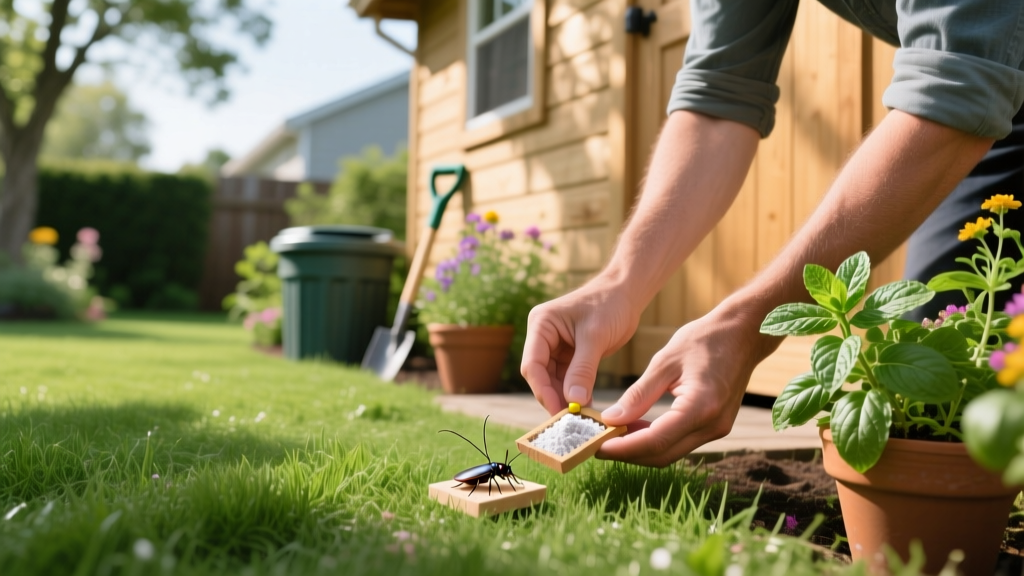
How to Get Rid of Roaches Naturally Without Toxic Chemicals
The Biological Reality of Natural Roach Eradication
Eliminating a cockroach infestation without synthetic neurotoxins requires shifting from a 'spray and pray' mindset to a strategy based on desiccation, biological pathogens, and physical exclusion. According to the University of Florida IFAS Extension, German cockroaches (Blattella germanica) reproduce rapidly, with a single female producing up to 300 offspring in her lifetime. Natural methods fail when homeowners treat them as mere repellents rather than lethal population control mechanisms. To successfully break the breeding cycle, you must deploy a multi-phase organic protocol targeting the exoskeleton, the digestive tract, and the structural entry points.
⚠ The Moisture Caveat: Nearly all natural desiccants and botanical oils degrade rapidly in high-humidity environments. If your kitchen or bathroom exceeds 60% relative humidity, you must run a dehumidifier to below 50% before applying natural powders, otherwise, they will clump and lose their lethal efficacy.
Phase 1: Lethal Desiccants and Pathogens
The cornerstone of chemical-free roach control involves destroying the waxy lipid layer of the roach's exoskeleton or introducing natural pathogens that consume them from the inside out.
Food-Grade Diatomaceous Earth (DE)
Diatomaceous earth consists of fossilized diatoms with microscopic, razor-sharp silica edges. For roach control, you must use OMRI-listed Food-Grade DE (particle size 2-10 microns). Pool-grade DE is calcined, lacks sharp edges, and is toxic to mammals.
- Application Tool: Use a bellows hand duster (e.g., JT Eaton 365 Bellow, ~$12) to inject a microscopic dusting into wall voids, under appliances, and behind cabinets.
- Application Rate: Apply a layer no thicker than 1/16th of an inch. If roaches can walk over a mound of DE without their legs and antennae making direct contact with the silica shards, the treatment fails.
- Safety Protocol: While non-toxic if ingested, inhaling crystalline silica dust can cause respiratory irritation. Always wear a NIOSH-approved P100 respirator during application.
- Cost: $15 to $22 for a 32 oz bag of Harris or Safer Brand Food-Grade DE, which is sufficient for a 2,500 sq ft home.
Entomopathogenic Fungi (Beauveria bassiana)
For severe infestations where DE is insufficient, Beauveria bassiana (Strain GHA) is a naturally occurring soil fungus that acts as a lethal parasite. Products like BotaniGard ES (~$45 per quart) contain fungal spores that attach to the roach's cuticle, germinate, and penetrate the exoskeleton. The fungus consumes the roach's internal tissues within 3 to 5 days. Crucially, infected roaches return to the harborage and die, spreading spores to the rest of the colony via cannibalism and coprophagy (feces consumption). This secondary kill effect mimics the transfer effects of synthetic fipronil baits but remains 100% biological.
Phase 2: Botanical Repellents and Growth Regulators
While desiccants kill existing populations, botanical compounds disrupt mating behaviors and repel foraging scouts. However, not all essential oils are effective. The Centers for Disease Control and Prevention (CDC) notes that reducing roach populations is critical for mitigating asthma triggers, meaning your botanical choices must actually reduce the population, not just scatter them into bedroom walls.
| Botanical Agent | Active Compound | Mechanism of Action | Best Use Case |
|---|---|---|---|
| Neem Oil (4.5% Azadirachtin) | Azadirachtin | Acts as an Insect Growth Regulator (IGR); prevents nymphs from molting into reproductive adults. | Spraying baseboards and harborage perimeters. |
| Cedarwood Oil | Cedrol / Thujopsene | Blocks octopamine receptors in the roach's nervous system, causing severe disorientation and repelling. | Creating barrier zones around exterior doors and windows. |
| Peppermint Oil | Menthol / Menthone | Strong olfactory masking; temporarily deters foraging but lacks lethal or IGR properties. | Short-term deterrent for pantry shelves (requires weekly reapplication). |
Mixing Protocol for Neem IGR: Combine 1 ounce of 4.5% azadirachtin concentrate with 1 gallon of warm water and 1 teaspoon of castile soap (as an emulsifier). Agitate continuously while spraying to prevent the oil from separating. Apply directly to cracks, crevices, and the cardboard backing of appliances where German roaches deposit egg cases (oothecae).
Phase 3: The Exclusion and Sanitation Protocol
Natural pesticides cannot overcome a continuous influx of new roaches or an unlimited food supply. The Environmental Protection Agency (EPA) emphasizes that physical exclusion and sanitation are the most permanent forms of pest control. You must seal the structure using materials roaches cannot chew through or bypass.
- Plumbing Penetrations: Stuff gaps around PVC and copper pipes under sinks with Stuf-Fit Copper Mesh ($15 for 20 feet). Roaches cannot chew copper, and it will not rust like steel wool. Seal the mesh in place with GE Advanced Silicone 2 caulk.
- Appliance Harborage: Pull out the refrigerator and stove. Vacuum the condenser coils and compressor pans. Roaches are attracted to the heat and moisture of compressor pans; clean these with a 10% white vinegar solution to remove pheromone trails.
- Moisture Elimination: Fix all dripping P-traps and install weatherstripping on exterior doors. American cockroaches (Periplaneta americana) require high moisture and will migrate indoors if exterior perimeter soil is overwatered or if gutter downspouts pool water near the foundation.
Troubleshooting: Why Your Natural Treatment Isn't Working
Diagnostic Decision Tree
Symptom: Roaches are walking directly over the Diatomaceous Earth without dying.
Cause: The DE layer is too thick, or ambient humidity has caused the powder to absorb moisture and clump.
Fix: Vacuum the old DE. Run a dehumidifier to drop room humidity below 50%. Reapply a barely visible, translucent dusting using a bellows duster.
Symptom: Adult roaches are dying, but new nymphs keep appearing weeks later.
Cause: The initial treatment killed the foragers, but hidden oothecae (egg cases) hatched after the desiccant was disturbed or cleaned up.
Fix: Introduce an azadirachtin-based Neem Oil IGR spray to prevent the newly hatched nymphs from reaching sexual maturity, effectively collapsing the generational cycle.
Symptom: Roaches are emerging from drains and floor grates.
Cause: You are dealing with American or Smokybrown cockroaches breeding in the municipal sewer lines or septic system, not an indoor German colony.
Fix: Install silicone drain covers and pour a biological enzyme drain cleaner (e.g., InVade BioDrain) to consume the organic scum inside the pipes that serves as their food source.
Expert Insight: 'The biggest mistake homeowners make with natural roach control is treating the center of the room. Cockroaches possess thigmotactic behavior, meaning they require physical contact with surfaces on all sides of their bodies to feel secure. They live in cracks no wider than a dime. If your natural dusts and botanical sprays are not being injected directly into 1/8-inch crevices via a crack-and-crevice tool, you are merely treating the air, not the infestation.' — Urban Entomology Structural Pest Management Guidelines
Successfully eradicating roaches naturally demands precision, patience, and an understanding of insect biology. By combining the physical destruction of food-grade diatomaceous earth, the generational disruption of azadirachtin, and uncompromising copper-mesh exclusion, you can achieve a permanent, chemical-free resolution to your cockroach problem.

