
Pest Control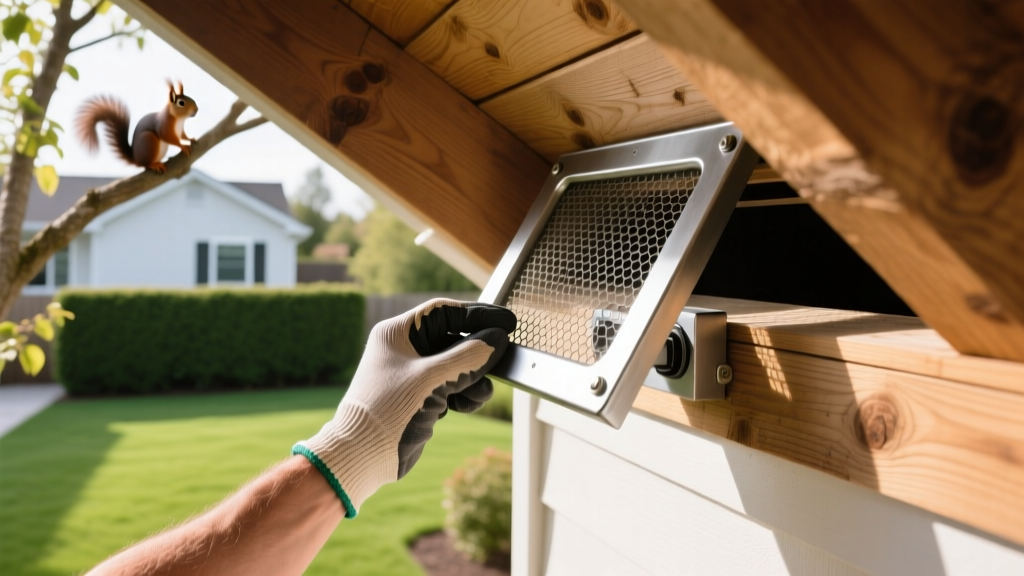
How to Exterminate Squirrels: Legal Deterrents and Exclusion Tactics
When homeowners discover chewed PVC pipes, stripped deck wood, or raided bird feeders, the immediate instinct is to find a way to exterminate squirrels. However, attempting lethal control on tree squirrels is not only fraught with legal complications but is also a highly ineffective long-term strategy. Squirrels are prolific breeders with strong territorial instincts; removing one simply creates a vacuum that a neighboring squirrel will quickly fill. To truly solve a squirrel infestation in 2026, pest management professionals rely on structural exclusion, behavioral deterrence, and habitat modification rather than lethal traps or poisons.
⚠️ Legal Warning Regarding Lethal Control: In most U.S. states, native tree squirrels (such as the Eastern Gray, Fox, and Red squirrels) are classified as protected game animals or nongame wildlife. Using rodenticides to exterminate squirrels is a federal violation under Environmental Protection Agency (EPA) regulations, as these poisons are not labeled for non-target wildlife and pose severe secondary poisoning risks to owls, hawks, and domestic pets. Always consult your state’s Department of Natural Resources before deploying any lethal trap.
The Step-by-Step Attic Exclusion Protocol
The most destructive squirrel activity occurs when they breach the attic to build nests (dreys). Exclusion is the only permanent fix. According to wildlife management guidelines from the University of Minnesota Extension, sealing entry points must be done methodically to avoid trapping young inside the structure.
- Conduct a Perimeter Inspection: Inspect the roofline, soffit vents, fascia boards, and ridge vents. Squirrels can compress their skulls to fit through gaps as small as 1.5 inches (roughly the size of a golf ball).
- Install a One-Way Exclusion Door: Identify the primary entry point (usually marked by brown grease stains and chewed wood). Mount a 12x12-inch commercial one-way exclusion door over this main hole. This allows squirrels to exit for foraging but prevents re-entry.
- Seal Secondary Vulnerabilities: While the one-way door is active, seal all other potential entry points using 1/2-inch, 19-gauge galvanized hardware cloth. Critical failure point: Never use standard chicken wire (hexagonal poultry netting). Squirrels possess powerful incisors that can easily rip through 20-gauge chicken wire in minutes.
- Remove the Door and Finalize Sealing: After 3 to 5 days of zero squirrel activity, remove the one-way door and permanently seal the main hole with hardware cloth and exterior-grade expanding polyurethane foam.
- Deodorize the Entry Zone: Spray the exterior entry points with an enzymatic cleaner designed for pet urine. This breaks down the pheromones the squirrels left behind, which otherwise act as a beacon to new squirrels looking for established real estate.
Yard and Garden Deterrence Matrix
If your goal is to exterminate squirrels from your landscaping to protect bulbs, birdseed, and vegetable gardens, you must deploy a multi-layered defense. Squirrels are highly adaptable, meaning single-method deterrents often fail once the animal habituates to the stimulus.
| Deterrence Method | Estimated Cost | Effectiveness Rating | Best Application |
|---|---|---|---|
| Motion-Activated Sprinklers | $45 - $65 | High (9/10) | Protecting garden beds and low-hanging fruit |
| Capsaicin-Treated Seed | $15 - $25 / bag | Very High (10/10) | Bird feeders (harmless to birds, deters mammals) |
| Castor Oil Soil Repellents | $20 - $35 | Moderate (6/10) | Preventing digging in potted plants and lawns |
| Pole Baffles (Steel) | $30 - $50 | High (8/10) | Stopping pole-climbing access to bird feeders |
Specific Product Recommendations for Squirrel Management
To achieve professional-grade deterrence without resorting to illegal extermination methods, invest in specialized wildlife management tools. Generic ultrasonic repellers and plastic owl decoys are largely ineffective, as squirrels quickly realize they pose no physical threat.
1. Orbit 62100 Yard Enforcer Motion-Activated Sprinkler
Priced around $50, this device uses passive infrared (PIR) sensors to detect the body heat and movement of foraging squirrels up to 70 feet away. Upon detection, it releases a sudden, noisy burst of water. The combination of the physical water strike and the mechanical "click" of the valve triggers the squirrel’s flight response. For best results, set the sensor to "Day and Night" mode and move the unit every 48 hours to prevent the squirrels from mapping its blind spots.
2. Brome Squirrel Buster Standard Bird Feeder
Standard tube feeders are easily defeated by squirrels hanging upside down. The Squirrel Buster (retailing for $60-$80) utilizes a weight-sensitive shroud. When a squirrel (which typically weighs over 1.2 lbs) lands on the perch, its weight compresses an internal spring, pulling the shroud down and instantly covering the seed ports. Cardinals and finches, which weigh significantly less, can feed uninterrupted. Ensure you mount it at least 18 inches away from any horizontal branch to prevent squirrels from reaching across.
3. Hot Meats Safflower Seed (Capsaicin Coated)
Mammals possess the TRPV1 receptor, which binds with capsaicin (the chemical that makes chili peppers hot), causing a severe burning sensation. Birds lack this specific receptor and cannot taste the heat. By filling your feeders with capsaicin-treated safflower seed, you create an exclusive dining area for avian species while naturally repelling squirrels. Always wear gloves when handling treated seed to avoid transferring oils to your eyes.
Tree and Bulb Protection Tactics
Squirrels routinely strip bark from young trees to access the sweet cambium layer beneath, which can girdle and kill the tree. To protect ornamental trees, wrap the bottom 24 inches of the trunk with a commercial tree guard or heavy-duty hardware cloth, leaving a 1-inch gap between the wire and the bark to allow for trunk expansion. For spring-blooming bulbs like tulips and crocuses, which squirrels view as a high-calorie snack, physical barriers are mandatory. The Humane Society of the United States recommends laying 1-inch chicken wire flat over the planted soil and securing it with landscape staples. The bulbs will easily sprout through the gaps, but the wire prevents the squirrel from digging down to the bulb. Alternatively, plant daffodils and alliums, which contain naturally occurring alkaloids that are toxic and unpalatable to squirrels.
Troubleshooting: Why Did the Squirrels Come Back?
If you have sealed your attic and deployed deterrents but still experience squirrel activity, you are likely dealing with one of three common failure modes:
- The "Bridge" Effect: Squirrels are incredible acrobats capable of leaping 8 to 10 feet horizontally. If tree branches overhang your roofline, the squirrels are bypassing your ground-level deterrents entirely. Trim all canopy branches so they are at least 10 feet away from the roof edge.
- Pheromone Ghosting: If you sealed an attic without enzymatically cleaning the exterior entry point, the lingering scent will attract transient males looking for a mate or territory. Re-soak the fascia board with an enzyme cleaner.
- Undersized Baffles: A squirrel can bypass a pole baffle if it is mounted too low. The bottom of the baffle must be at least 5 feet off the ground, and the pole must be placed at least 8 feet away from any fence, deck, or tree trunk.
Frequently Asked Questions
Can I use mothballs to exterminate squirrels from my attic?
No. Mothballs contain naphthalene or paradichlorobenzene, which are highly toxic and classified as restricted-use pesticides. Using them outdoors or in open attic spaces is illegal, poses severe respiratory risks to humans, and is entirely ineffective at repelling squirrels in ventilated areas.
How much does professional squirrel exclusion cost?
As of 2026, hiring a licensed wildlife control operator for a full home inspection, one-way door installation, and permanent hardware cloth sealing typically ranges from $350 to $700, depending on the roof's pitch and the number of entry points. This is a one-time cost that is significantly cheaper than repairing chewed electrical wiring, which can cost thousands and presents a severe fire hazard.

