
Pest Control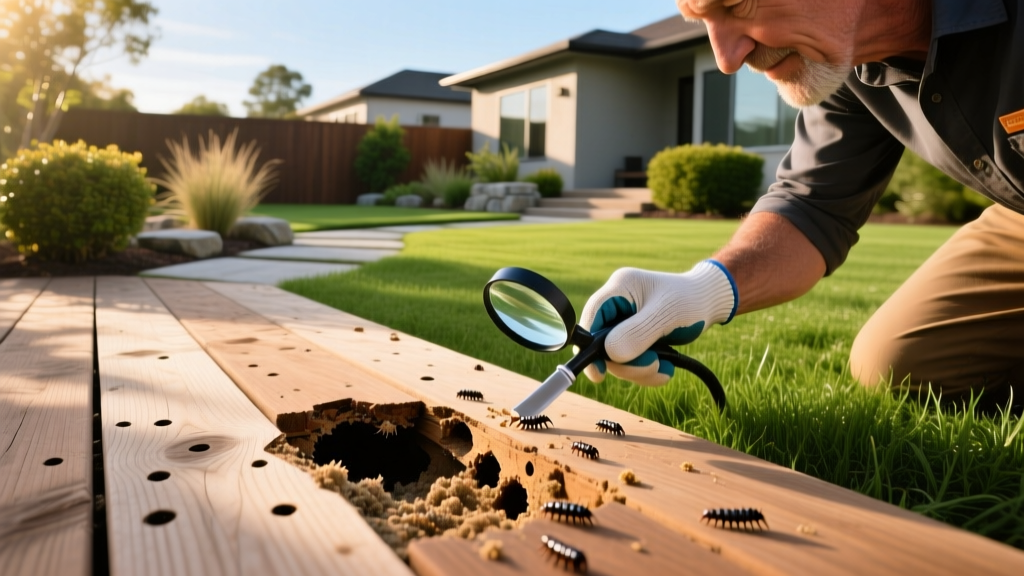
Yard Defense: How to Exterminate Termites Before They Invade
Subterranean termites cause an estimated $5 billion in property damage annually across the United States. While homeowners often focus on interior signs of infestation, the battle is actually won or lost in the yard. Your landscape is the staging ground for these wood-destroying insects. To effectively exterminate termites, you must establish a defensive perimeter that intercepts foraging workers before they reach your home's foundation.
This guide details the exact chemical and mechanical strategies required to eliminate termite colonies in your soil, including specific product concentrations, trenching measurements, and bait station placement protocols.
Identifying the Enemy: Subterranean Foraging Signatures
Before you can exterminate termites, you must confirm their presence and species. In the yard, you are primarily dealing with subterranean termites (such as the Eastern subterranean termite, Reticulitermes flavipes, or the highly aggressive Formosan termite, Coptotermes formosanus). Unlike drywood termites that live entirely inside the wood they consume, subterranean species nest deep in the soil and travel upward to forage.
Look for these specific indicators in your yard:
- Mud Tubes: Pencil-sized (1/4 to 1 inch wide) tunnels made of soil, saliva, and feces running up foundation walls, retaining walls, or wooden fence posts. These tubes maintain the high humidity termites require to survive above ground.
- Swarmers (Alates):strong> Discarded, translucent wings clustered near outdoor light fixtures, patio doors, or window sills in the spring or early summer.
- Wood Damage: Fencing, landscaping timbers, or tree stumps that sound hollow when tapped or show a honeycomb interior pattern packed with damp soil.
⚠️ CRITICAL WARNING: Never break open active mud tubes to "check" on the termites or attempt to scrape them off the foundation before treatment. Subterranean termites are highly sensitive to environmental changes and will simply abandon the exposed tube and reroute their foraging to a hidden, untreated area of your foundation.
The Perimeter Defense Strategy: Liquid Barriers vs. Bait Systems
There are two primary methodologies to exterminate termites in the yard and protect the structure. Choosing between a liquid soil treatment and a bait station system depends on your soil type, budget, and whether you prefer an immediate kill zone or a targeted colony elimination approach.
| Feature | Liquid Soil Treatment (Termidor SC) | Bait Station System (Sentricon / Advance) |
|---|---|---|
| Active Ingredient | Fipronil (9.1%) | Hexaflumuron or Diflubenzuron |
| Mechanism | Non-repellent transfer effect (termites carry it back to the nest) | Chitin synthesis inhibitor (prevents molting, killing the colony) |
| Time to Control | 30 to 90 days | 3 to 6 months (depends on foraging activity) |
| DIY Cost Estimate | $80 - $120 per 20oz bottle (treats ~60 linear ft) | $400 - $800 for a 22-station DIY kit |
| Pro Install Cost | $1,200 - $2,500 | $2,000 - $4,000 (includes annual monitoring) |
| Best For | Immediate protection, dense clay soils, active infestations | Landscaped yards, concrete patios, eco-sensitive areas |
According to the Environmental Protection Agency (EPA), both methods are highly effective when applied correctly, but liquid barriers require significantly more physical labor and precise chemical handling to ensure a continuous, unbroken treatment zone.
Step-by-Step: Exterminate Termites with a Bait Station System
Bait systems are ideal for yards with extensive hardscaping, gardens, or wells where broadcasting liquid chemicals is prohibited. The goal is to intercept foraging termites and trick them into consuming a slow-acting toxicant.
- Map the Perimeter: Measure the total linear footage of your home's foundation. You will need one bait station for every 10 linear feet. For a home with a 160-foot perimeter, purchase a minimum of 16 stations.
- Strategic Placement: Install stations 2 to 3 feet away from the foundation. Do not place them directly under the drip line of the roof, as excessive water runoff can degrade the bait matrix. Place stations near known termite activity, such as wooden fence lines, retaining walls, and tree stumps.
- Installation: Use a specialized soil auger or a 2-inch diameter post-hole digger to excavate a hole 8 to 10 inches deep. Insert the station housing so the cap is flush with the soil surface to prevent tripping hazards and lawnmower damage.
- Initial Monitoring: Insert untreated wood monitoring cartridges (usually poplar or spruce). Check the stations every 30 days. Look for mud packing or active feeding galleries inside the wood.
- Bait Deployment: Once active termites are confirmed in a station, carefully swap the monitoring cartridge for the active bait cartridge (containing Hexaflumuron or Diflubenzuron). Do not disturb the termites during this swap. The workers will naturally begin consuming the bait and sharing it with the colony via trophallaxis.
DIY Soil Drenching with Fipronil: Exact Measurements and Safety
If you opt for a liquid barrier using a Fipronil-based product like Termidor SC, precision is mandatory. Termites will exploit any untreated gap in the soil as small as 1/32 of an inch to bypass your chemical barrier.
Mixing and Application Rates
The standard application rate for a 0.06% finished dilution is 0.8 fluid ounces of Termidor SC per gallon of water. You must apply 4 gallons of the finished dilution per 10 linear feet of foundation.
The Trenching Protocol
- Dig a continuous trench around the entire perimeter of the home. The trench must be exactly 6 inches wide and 6 inches deep.
- If you encounter a concrete slab (like a patio or driveway), you cannot simply spray the surface. You must use a hammer drill with a 1/2-inch masonry bit to drill holes every 12 inches, penetrating through the slab to the soil beneath, and inject the solution using a foaming nozzle or sub-slab injector.
- Pour the mixed solution into the trench. For deeper footings, use a soil rod to inject the chemical deeper into the soil profile to reach the subterranean gallery depth.
- Backfill the trench with the excavated soil and lightly tamp it down to prevent water pooling.
Pro Tip: Fipronil is highly toxic to aquatic life and bees. Never apply liquid termiticides near bodies of water, storm drains, or directly onto blooming weeds where pollinators forage. Always consult the National Pest Management Association (NPMA) guidelines for local environmental restrictions before drenching soil.
Yard Maintenance Tactics to Starve and Deter Termites
Chemical and bait treatments will exterminate termites, but poor yard maintenance will invite new colonies. Termites require three things to thrive: moisture, shelter, and cellulose. Altering your landscape removes these attractants.
- The Mulch Gap: Wood mulch retains moisture and provides a direct food source. Maintain a strict 12 to 18-inch bare soil or gravel gap between any mulch beds and your home's foundation. If you must use mulch near the house, switch to inorganic options like crushed stone or rubber mulch.
- Eliminate Wood-to-Ground Contact: Inspect your yard for wooden fence posts, deck supports, or landscaping timbers buried directly in the soil. Retrofit these with galvanized steel post bases or concrete footings to elevate the wood at least 2 inches above the soil grade.
- Stump and Root Removal: Buried tree stumps are prime nesting sites for subterranean termites. Hire a professional to grind stumps at least 12 inches below grade and remove the major lateral roots.
- Grade Correction: Ensure the yard slopes away from the foundation at a minimum rate of 6 inches of drop over the first 10 feet. Standing water against the foundation softens the soil and creates an ideal, high-humidity environment for termite tunneling.
Frequently Asked Questions
Can I use beneficial nematodes to exterminate termites in the yard?
Beneficial nematodes (specifically Steinernema carpocapsae and Steinernema feltiae) are microscopic worms that parasitize and kill soil-dwelling insects. While they can reduce localized termite populations in garden beds, they do not provide a reliable, continuous barrier to protect a home's foundation. They are best used as a supplementary biological control for small, isolated satellite colonies in the yard, not as a replacement for Fipronil or bait systems.
Do DIY vinegar and orange oil sprays work on yard termites?
No. Orange oil (d-limonene) and vinegar are contact killers that only work on drywood termites when injected directly into their galleries inside the wood. They have zero residual effect in the soil and will not penetrate subterranean mud tubes or reach the primary colony nesting deep underground. Relying on these methods will leave your home vulnerable to structural damage.
How deep do subterranean termites forage in the soil?
While subterranean termite colonies can extend their primary nesting cavities up to 20 feet underground in search of stable moisture, the vast majority of their foraging galleries are located in the top 1 to 3 feet of soil. This is why the 6-inch trenching method, combined with soil rodding, effectively intercepts the primary foraging routes before they reach the surface structure.

