
Pest Control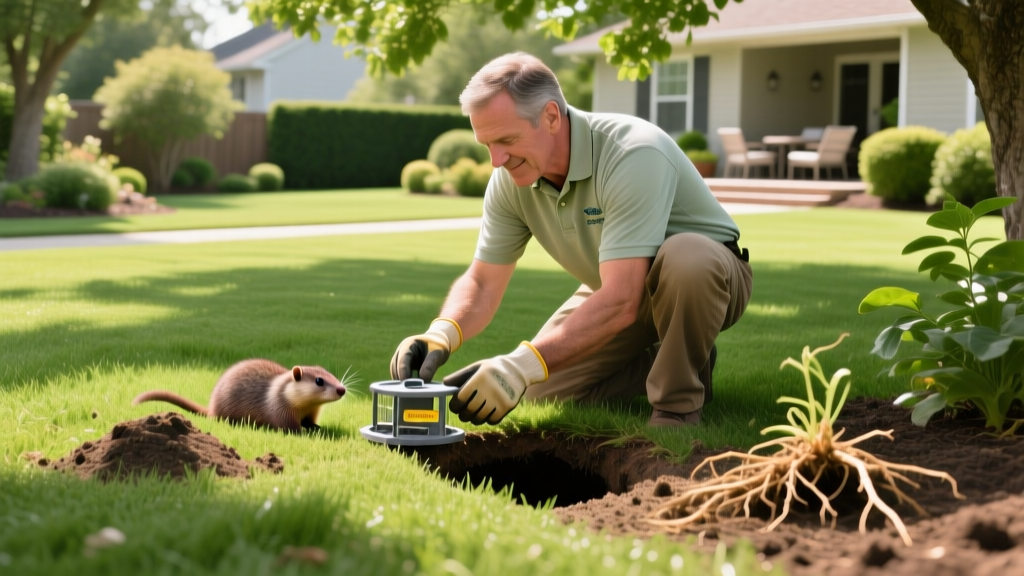
How Do You Get Rid of Groundhogs Fast? 5 Proven Yard Tactics
Groundhogs (Marmota monax), also known as woodchucks, are formidable garden pests. A single adult can consume up to 1.5 pounds of vegetation daily and excavate burrows that plunge 5 feet deep and stretch 45 feet long, undermining patios, sheds, and foundations. When your landscape is under active siege, homeowners frequently ask: how do you get rid of groundhogs fast? The most effective strategy requires a synchronized, multi-tiered approach combining immediate physical extraction with high-concentration digestive repellents, followed by permanent structural exclusion.
The 48-Hour Groundhog Eviction Protocol
Rapid removal relies on exploiting the groundhog's predictable foraging habits. Groundhogs are crepuscular, meaning they are most active during the first two hours after sunrise and the last two hours before sunset. To evict them quickly, follow this strict timeline:
- Day 1, Morning: Identify the primary active burrow. Active entrances feature fresh, moist soil mounds and smooth, polished tunnel edges. Inactive holes will have spider webs, debris, or dry, cracked dirt at the lip.
- Day 1, Afternoon: Set unbaited, unset live traps near the active entrance to allow the groundhog to acclimate to the new object. Wire the trap doors open with a zip tie.
- Day 2, Dawn: Bait the trap, remove the zip tie, and set the trigger pan. Monitor the trap from a distance or via a wireless trail camera. Groundhogs are highly suspicious of human scent; limit your physical interaction with the trap.
- Day 2, Dusk: If trapped, cover the trap with a light blanket to calm the animal and process it according to local wildlife regulations. If not trapped, re-bait and repeat.
Live Trapping: Specifications and Baiting Tactics
Standard squirrel or skunk traps are entirely inadequate for woodchucks. You need a heavy-duty, single-door live trap with specific dimensions to accommodate their 20-to-30-inch body length and prevent them from backing out without triggering the plate.
Recommended Equipment
- Trap Model: Havahart 1089 (32 x 10 x 12 inches) or Havahart 1081. These feature a sturdy 12-gauge galvanized steel mesh that resists bending when a panicked 10-pound groundhog thrashes inside.
- Estimated Cost: $55 to $75 at major hardware retailers.
- Bait Selection: Groundhogs are highly attracted to sweet, water-rich fruits. Fresh cantaloupe rinds, sweet corn, or sunflower seeds work best. Avoid lettuce, which lacks the strong olfactory draw needed to pull them into the rear of the trap.
Placement Technique: Place the bait directly behind the trigger pan and smear a small amount of cantaloupe juice on the trigger plate itself. Create a "funnel" using chicken wire or brush to guide the groundhog directly into the trap entrance, eliminating the option to bypass it.
Crucial Legal Restrictions on Relocation
Before setting a trap, you must understand local wildlife laws. According to the Penn State Extension and various state Departments of Natural Resources, groundhogs are frequently classified as Rabies Vector Species (RVS). In states like New York, Pennsylvania, and Massachusetts, it is strictly illegal to relocate a trapped groundhog to a new property without a specialized nuisance wildlife permit. You are legally required to either release the animal on the exact property where it was caught or hire a licensed Nuisance Wildlife Control Operator (NWCO) for humane euthanasia. Always consult your state's Humane Society guidelines and local DNR before trapping.
Fast-Acting Repellents: Castor Oil Formulations
If trapping is not viable or you need to force a groundhog out of a burrow located dangerously close to your home's foundation, castor oil is the fastest non-lethal eviction method. Castor oil does not harm the animal; instead, it coats the vegetation and soil, causing severe gastrointestinal distress and diarrhea when ingested or groomed off their paws. The groundhog quickly associates your yard with illness and abandons the territory.
Application Rates and Products
Do not rely on generic, low-concentration repellents. Purchase a high-concentration castor oil formulation such as Nature's Mole & Gopher Castor Oil or Bonide Mole & Gopher Repellent (typically priced around $15 to $22 per 32 oz bottle).
- Mixing Ratio: Combine 2 ounces of castor oil concentrate with 1 gallon of water. Add a few drops of dish soap to act as a surfactant, ensuring the oil emulsifies and sticks to the soil rather than beading up.
- Application: Using a pump sprayer, drench the active burrow entrance, the fresh dirt mound, and a 10-foot radius surrounding the hole. Apply at a rate of 1 gallon per 1,000 square feet.
- Reapplication: Castor oil degrades in UV light and washes away in rain. Reapply immediately after 0.5 inches of rainfall or every 14 days during peak spring foraging seasons.
Exclusion Fencing: The Only Permanent Solution
Trapping and repellents only address the current occupant. Because groundhog territories are highly desirable, a new woodchuck will inevitably claim an abandoned, well-dug burrow within weeks. To permanently secure your garden, you must install an L-footer exclusion fence. Standard vertical fences fail because groundhogs are adept diggers and can easily excavate beneath the bottom rail.
L-Footer Construction Specifications
According to data from the Internet Center for Wildlife Damage Management, an L-footer exploits the groundhog's instinct to dig straight down when encountering an obstacle.
- Material: Use 16-gauge, 1/2-inch or 1-inch galvanized hardware cloth. Chicken wire is too flimsy and will rust or bend under the pressure of a digging groundhog.
- Above Ground: Install the fencing at least 3 feet above the soil surface. Groundhogs are poor climbers but can scramble over low obstacles.
- Vertical Trench: Dig a trench 1 foot deep directly along the fence line. Bury the bottom 12 inches of the hardware cloth straight down.
- The L-Footer Lip: Bend the remaining bottom 12 inches of wire outward at a strict 90-degree angle, pointing away from the garden. Backfill the trench. When a groundhog digs down at the fence line, it hits the vertical wire, digs deeper, and ultimately rests its weight on the outward-facing horizontal lip, preventing it from tunneling underneath.
Groundhog Removal Methods Compared
| Method | Time to Result | Estimated Cost | Long-Term Efficacy | Best Use Case |
|---|---|---|---|---|
| Live Trapping (Havahart 1089) | 24 - 72 Hours | $55 - $75 | Low (New groundhogs will arrive) | Immediate removal of a specific, destructive individual. |
| Castor Oil Repellent | 3 - 7 Days | $15 - $25 | Medium (Requires reapplication) | Evicting groundhogs from under sheds or near foundations. |
| L-Footer Hardware Cloth | 1 - 2 Weeks (Install) | $3 - $5 per linear foot | Very High (Permanent) | Protecting high-value vegetable gardens and orchards. |
| Predator Urine (Coyote) | Variable / Unreliable | $10 - $20 | Very Low | Not recommended; groundhogs quickly habituate to the scent. |
Ineffective and Illegal Tactics to Avoid
When searching for rapid pest control, homeowners often resort to dangerous or illegal methods that result in fines or environmental damage.
- Mothballs (Naphthalene): It is a federal violation to use mothballs outdoors. They are highly toxic to dogs, cats, and local wildlife, and they leach carcinogenic chemicals into your soil and groundwater.
- Flooding the Burrow: Attempting to drown or flush out a groundhog with a garden hose almost always fails. Groundhog burrows feature multiple escape chambers, plunge holes, and secondary exits located up to 45 feet away. You will only succeed in eroding your topsoil and potentially flooding your own basement.
- Toxic Baits: There are currently no toxicants or rodenticides legally registered for groundhog control in residential areas. Using rat poison risks secondary poisoning of local raptors, foxes, and neighborhood pets.
Frequently Asked Questions
Will a groundhog attack my dog?
Groundhogs are generally docile and prefer to flee or retreat into their burrows. However, they possess incredibly sharp, continuously growing incisors. If a dog corners a groundhog above ground or reaches into a burrow, the groundhog will aggressively defend itself, often inflicting severe lacerations to a dog's snout or paws. Always keep pets leashed during active trapping operations.
How deep do groundhog burrows actually go?
While the main tunnel usually runs 2 to 3 feet below the surface, groundhogs dig specialized "plunge holes" and hibernation chambers that can extend 5 to 6 feet deep. This depth allows them to remain below the frost line during winter and makes fumigation or flooding entirely ineffective.
What time of year is best for groundhog removal?
Early spring (March to April) is the optimal window. During this period, groundhogs are emerging from hibernation, are highly motivated to forage due to depleted fat reserves, and have not yet given birth to their litters. Evicting a mother in late spring (May to June) risks orphaning blind, dependent pups inside the burrow, leading to severe odor issues as they decompose.

