
Pest Control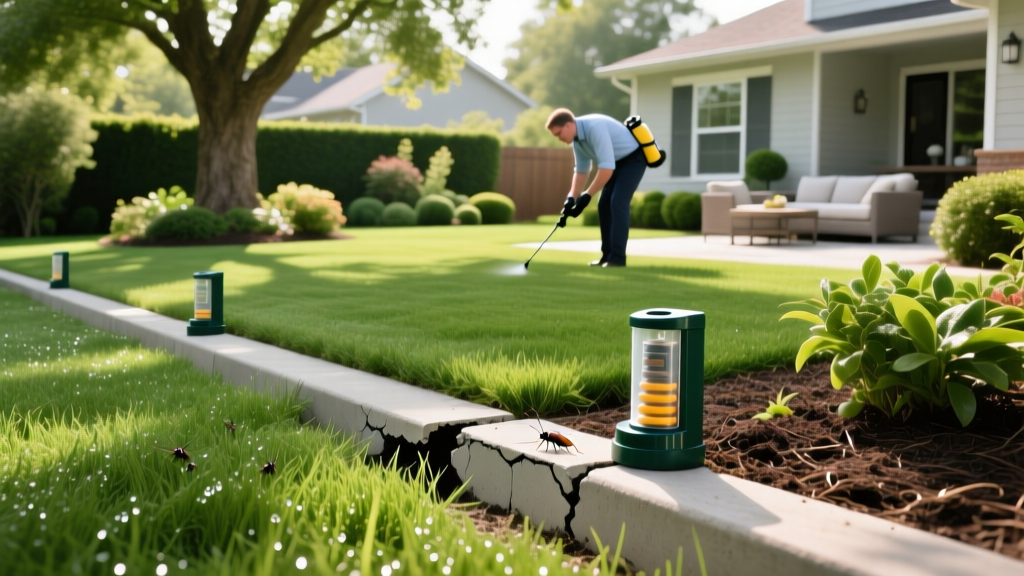
Fastest Way to Get Rid of Roaches: Yard & Perimeter Defense
When outdoor cockroach populations explode, they inevitably migrate indoors. The fastest way to get rid of roaches in your yard is not a single product, but a coordinated 48-hour perimeter defense protocol that combines non-repellent liquid barriers, granular baits, and insect growth regulators (IGRs). Unlike indoor German cockroaches, yard-invading species like the American, Smokybrown, and Oriental cockroaches thrive in moist exterior habitats. Eradicating them requires targeting their outdoor breeding grounds before they cross your foundation.
Identify the Outdoor Invader
Accurate identification dictates your bait selection and habitat modification strategy. Yard roaches are generally larger, darker, and more dependent on high moisture than their indoor counterparts. According to Penn State Extension, misidentifying an outdoor species as an indoor pest often leads to ineffective indoor baiting while the exterior colony continues to breed.
| Species | Size | Primary Yard Habitat | Flight Capability |
|---|---|---|---|
| American Cockroach | 1.5 - 2 inches | Sewer lines, mulch beds, woodpiles | Strong gliders |
| Smokybrown Cockroach | 1.25 - 1.5 inches | Tree holes, gutters, dense ivy | Strong fliers |
| Oriental Cockroach | 1 - 1.25 inches | Damp soil, leaf litter, crawlspaces | Cannot fly |
| Asian Cockroach | 1.25 - 1.5 inches | Shaded lawn areas, thick mulch | Strong fliers (attracted to light) |
The 48-Hour Eradication Protocol
To achieve rapid population collapse, you must deploy a three-pronged chemical attack. This protocol costs approximately $130 to $180 in DIY materials but yields professional-grade results within two days.
Step 1: The Non-Repellent Liquid Barrier
Do not use repellent sprays (like standard hardware store perimeter sprays containing high-dose pyrethrins). Repellents kill on contact but cause surviving roaches to scatter and find new entry points. Instead, use a microencapsulated non-repellent like Bifen IT (Bifenthrin 7.9%) or Suspend SC (Deltamethrin 4.75%). These dry clear and undetectable. Roaches walk through the treated zone, pick up the toxicant, and return to the colony to spread it via feces and carcasses.
- Mixing Ratio: 0.5 to 1.0 fl oz of Bifen IT per gallon of water.
- Application Zone: The "3x3 Rule". Spray 3 feet up the foundation wall and 3 feet out into the soil/mulch.
- Coverage: One gallon covers roughly 1,000 square feet. Treat all doors, windows, and utility penetrations.
Step 2: Granular Bait Deployment
Liquid sprays kill adults, but baits eliminate the hidden nymphs. Syngenta Advion Insect Granules or Maxforce FC Roach Bait Granules contain indoxacarb or fipronil, which have a delayed action that allows foraging roaches to share the lethal dose with the nest. Broadcast the granules heavily in mulch beds, under decks, and near retaining walls. Apply at a rate of 2 to 3 lbs per 1,000 square feet.
Step 3: IGR Integration for Long-Term Collapse
To stop the reproductive cycle, mix an Insect Growth Regulator like Tekko Pro (Pyriproxyfen and Novaluron) into your liquid spray tank. IGRs mimic juvenile hormones, preventing nymphs from molting into reproducing adults and causing eggs to hatch at a 0% viability rate. This breaks the 60-day breeding cycle.
⚠️ Pollinator & Pet Warning: Never spray liquid insecticides directly on blooming flowers or during peak foraging hours (10 AM - 4 PM). Allow liquid treatments to dry completely before allowing pets or children onto the treated lawn or perimeter soil.
Environmental Modification: Starve and Dehydrate
Chemical treatments will fail if your yard provides an irresistible habitat. The EPA's Safe Pest Control guidelines emphasize that moisture reduction is the single most effective non-chemical deterrent for outdoor cockroaches.
The 12-Inch Mulch Rule
Wood mulch retains moisture and provides harborages. Pull all organic mulch back at least 12 inches from your home's foundation. Replace this inner perimeter with inorganic materials like crushed gravel, river rock, or bare soil. If you must use mulch, limit the depth to 2 inches; deeper layers create a humid microclimate that Smokybrown and Oriental roaches prefer.
Moisture and Drainage Audits
Oriental cockroaches require high moisture and will die within days without it. Fix dripping outdoor hose bibs, ensure AC condensation lines drain away from the foundation, and clear clogged gutters. If your soil slopes toward the house, install a French drain to divert groundwater away from the crawlspace and perimeter.
DIY vs. Professional Extermination: Cost & Time Matrix
Deciding between a DIY approach and hiring a licensed pest control operator (PCO) depends on your budget, time, and the severity of the infestation. The NC State Extension notes that severe outdoor infestations often require commercial-grade rotary misting equipment to penetrate dense ivy and deep soil layers.
| Method | Estimated Cost | Time to Results | Best For |
|---|---|---|---|
| DIY Chemical Protocol | $130 - $180 (initial kit) | 48 - 72 hours | Moderate infestations, homeowners comfortable mixing chemicals |
| DIY Natural/Traps | $40 - $60 | 2 - 4 weeks | Very light populations, strict organic preferences |
| Professional PCO Service | $250 - $400 (quarterly) | 24 - 48 hours | Severe infestations, dense ivy/wooded lots, recurring issues |
Common Mistakes That Prolong Infestations
Homeowners frequently sabotage their own eradication efforts by relying on outdated or ineffective tactics:
- Relying on Bug Zappers: Ultraviolet light traps catch moths and beetles but are virtually useless against cockroaches, which navigate via pheromones and tactile senses, not phototaxis.
- Overwatering the Lawn: Watering your turf in the late evening leaves the perimeter soil saturated overnight, creating a perfect foraging environment for Oriental roaches. Switch to early morning irrigation cycles.
- Using Diatomaceous Earth (DE) Outdoors: While DE works well indoors, it becomes completely inert the moment it gets wet. In an outdoor yard environment, morning dew and irrigation render DE useless within hours.
Frequently Asked Questions
Do yard roaches mean my house is dirty?
No. American and Smokybrown cockroaches are peridomestic pests, meaning they live outside in trees, sewers, and mulch. They invade homes simply to escape extreme heat, heavy rainfall, or cold snaps. Their presence in your yard is a landscaping and moisture issue, not a hygiene issue.
How long does a perimeter spray last outdoors?
Microencapsulated formulations like Bifen IT or Demand CS typically remain active on exterior surfaces for 60 to 90 days. However, heavy rainfall and intense UV exposure can degrade the bond. Reapply every 45 to 60 days during peak summer months to maintain an unbroken barrier.
Will treating the yard kill indoor roaches?
Treating the yard stops the influx of new outdoor roaches, but it will not eliminate an established indoor German cockroach population. If you see small, light-brown roaches in your kitchen or bathroom, you need a separate indoor gel baiting protocol using products like Advion Cockroach Gel Bait.

