
Pest Control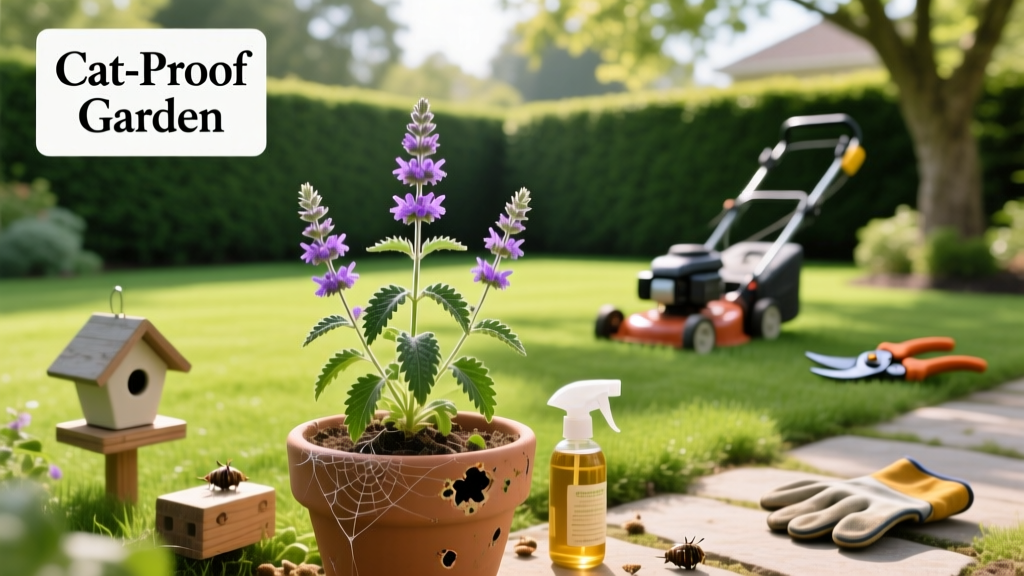
Diagnosing Feline Poisonous Plants: Garden Deterrent Solutions
The Diagnostic Matrix: High-Risk Feline Poisonous Plants
Landscaping with pets requires a rigorous approach to botanical selection. When managing a yard that harbors feline poisonous plants, the primary objective is twofold: accurately identify the toxicological threat and deploy targeted deterrents to prevent ingestion. Cats are notoriously curious foragers, and their fastidious grooming habits mean that even pollen dusted onto their fur can lead to fatal systemic toxicity.
According to the ASPCA Animal Poison Control Center, lilies, sago palms, and oleanders consistently rank among the most lethal flora for felines. Below is a diagnostic matrix detailing the specific toxic principles and clinical signs associated with the most dangerous garden plants.
| Plant Species | Toxic Principle | Primary Clinical Signs | Lethality & Timeframe |
|---|---|---|---|
| Lilies (Lilium & Hemerocallis) | Unknown nephrotoxin | Vomiting, lethargy, anuria (lack of urination) | Acute renal failure within 24-72 hours; highly fatal without aggressive IV fluids. |
| Sago Palm (Cycas revoluta) | Cycasin (methylazoxymethanol) | Hemorrhagic gastroenteritis, hepatic necrosis, seizures | 50% mortality rate even with aggressive veterinary intervention; seeds are most toxic. |
| Oleander (Nerium oleander) | Cardiac glycosides | Arrhythmias, drooling, colic, sudden collapse | Rapid onset (1-4 hours); ingestion of a single leaf can be lethal to a 10 lb cat. |
| Azalea/Rhododendron | Grayanotoxins | Hypotension, bradycardia, coma, vomiting | 0.2% of body weight in leaves causes severe cardiovascular depression. |
⚠ WARNING: The Pollen Hazard
Many homeowners mistakenly believe their cat is safe if they do not chew the leaves of daylilies or tiger lilies. However, brushing against the anthers and subsequently grooming the pollen off their fur is sufficient to trigger irreversible acute kidney injury (AKI). If you suspect pollen exposure, immediate decontamination is mandatory.
Symptom Triage and Immediate Decontamination
Diagnosing plant toxicity in the garden relies heavily on visual evidence and rapid symptom onset. The Pet Poison Helpline emphasizes that waiting for symptoms to manifest with lily or sago palm ingestion drastically reduces the survival prognosis. If you catch your cat in the act of chewing a suspected feline poisonous plant, execute the following decontamination protocol immediately:
- Secure the Airway and Mouth: Gently wipe the cat’s mouth, gums, and tongue with a damp cloth to remove residual plant matter or pollen. Do not force water down their throat, as this can cause aspiration pneumonia.
- Isolate and Bag the Evidence: Snip a 6-inch sample of the chewed plant, including flowers and leaves, and place it in a sealed plastic bag. This allows the emergency veterinarian to identify the exact species and toxic principle.
- Surface Decontamination: If pollen is visible on the cat’s coat, use a damp paper towel to wipe the fur thoroughly. If the exposure is heavy, a shallow bath with mild dish soap (like Dawn) is required to prevent grooming ingestion during transit to the clinic.
- Transit: Transport the cat to an emergency veterinary hospital immediately. Do not attempt to induce vomiting with hydrogen peroxide at home; cats are highly sensitive to peroxide, and it can cause severe hemorrhagic gastritis or necrotizing esophagitis.
Landscape Solutions: Eradication and Replacement Costs
The most definitive solution to the threat of feline poisonous plants is complete eradication from the property. For high-risk specimens like the Sago Palm, simple pruning is insufficient, as the root crown and seeds remain toxic.
Professional removal of a mature, 6-foot Sago Palm typically costs between $150 and $350 in 2026, which includes stump grinding to prevent toxic shoot regeneration. When replacing these hazards, opt for feline-safe structural alternatives. The Areca Palm (Dypsis lutescens) and the Cast Iron Plant (Aspidistra elatior) provide similar architectural height and shade tolerance without the cycasin risk. Expect to pay $45 to $85 for a mature 5-gallon Areca Palm at local nurseries.
Active Deterrents: Securing Hazard Zones
When eradication is impossible—such as when dealing with neighboring properties or HOA-mandated landscaping—you must deploy active and passive deterrents to create an exclusion zone around the feline poisonous plants.
1. Motion-Activated Hydro-Deterrents
Cats are highly averse to sudden tactile and auditory stimuli. The Orbit Yard Enforcer Motion-Activated Sprinkler (retailing around $85) utilizes an infrared sensor with a 30-foot detection range and a 1,000-cycle battery life. Position the unit to guard the perimeter of toxic garden beds. The sudden burst of water and the mechanical clicking of the valve trigger a startle response, conditioning the cat to avoid the zone entirely within 3 to 5 exposures. Ensure the sensor is mounted at a height of 6 to 8 inches to accurately detect feline profiles rather than triggering on wind-blown debris.
2. Physical and Textural Barriers
Cats require soft, loose soil to dig and lounge. Altering the substrate around toxic plants removes the environmental appeal. Apply a 2-inch layer of rough-textured mulch, such as pine cones or jagged lava rock, directly over the root zone. Alternatively, lay 16-gauge, 1/2-inch hardware cloth flat over the soil and cover it lightly with leaf litter. This prevents digging and discourages the cat from settling near the toxic foliage.
3. Botanical Repellents
Interplanting with Plectranthus caninus (commonly sold as the "Scaredy Cat" plant) creates an olfactory barrier. This plant releases a pungent, skunk-like odor when brushed against, which is highly offensive to feline olfactory receptors but unnoticeable to humans unless disturbed. Plant these in a 12-inch border around your hazard zones. For granular applications, Critter Ridder Animal Repellent ($25 for a 5 lb bag) utilizes piperine and capsaicin to irritate the cat’s nasal passages without causing lasting harm. Reapply granular repellents every 30 days or after heavy rainfall exceeding 0.5 inches.
💡 Pro-Tip: Avoid Cocoa Mulch
While modifying your garden beds, never use cocoa bean shell mulch. It contains theobromine and caffeine—the same toxins found in chocolate. Its sweet, vanilla-like aroma actively attracts cats and dogs, leading to severe neurological and cardiac toxicity if ingested. Stick to untreated cedar or rough lava rock.
Designing Safe Foraging Alternatives
Behavioral modification requires providing an acceptable alternative to the undesirable behavior. Cats often chew on garden plants to aid in digestion or to induce vomiting of hairballs. By establishing a designated "cat garden" away from your feline poisonous plants, you can redirect their foraging instincts.
Construct a raised planter box (minimum dimensions: 24x18 inches) using untreated pine, and fill it with a mix of Dactylis glomerata (Orchardgrass), oat grass, and wheatgrass. These seeds are available in pre-mixed "cat grass" kits for under $12. Place the foraging box in a sunny, accessible area of the patio. To encourage use, lightly mist the grass with water infused with a small amount of catnip extract. This satisfies the cat’s biological urge to chew on fibrous vegetation while ensuring zero exposure to lethal nephrotoxins or cardiac glycosides.
"Effective landscape pest management isn't just about repelling insects; it's about managing the interaction between domestic wildlife and hazardous flora. A multi-layered approach combining physical barriers, hydro-deterrents, and safe foraging alternatives yields a 95% reduction in toxic plant ingestion incidents."
By systematically auditing your landscape against the ASPCA’s toxic plant database, removing high-lethality specimens, and fortifying the perimeter with motion-activated and textural deterrents, you can maintain a visually stunning garden that poses zero threat to your feline companions.

