
Pest Control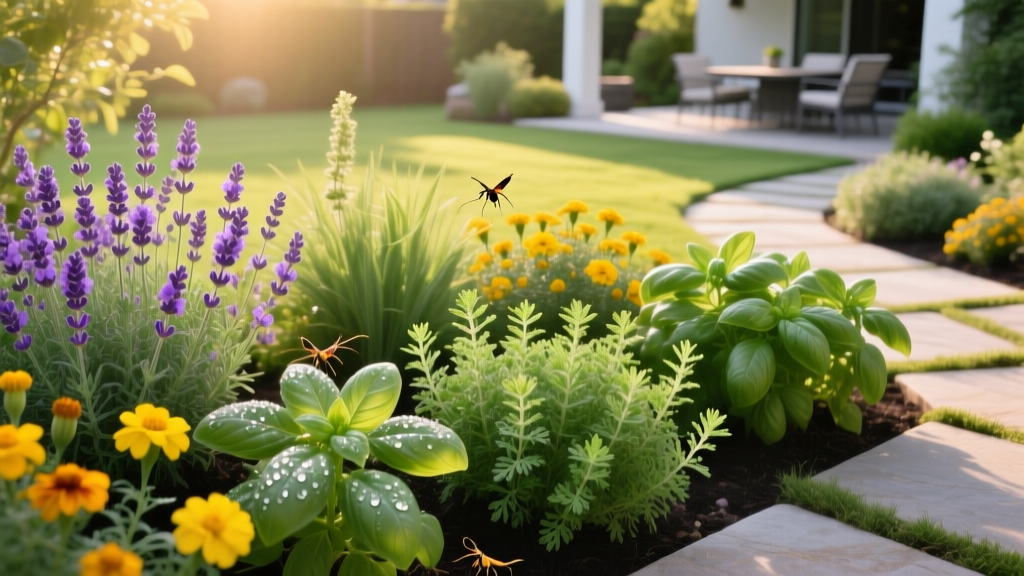
Top Flea Deterrent Plants for Yard Defense and Pet Safety
The Shift to Botanical Yard Defense
Managing the cat flea (Ctenocephalides felis) in outdoor spaces has historically relied on broad-spectrum synthetic pyrethroids like bifenthrin and permethrin. While effective, these chemicals pose documented risks to aquatic ecosystems and non-target pollinators. As homeowners increasingly prioritize ecological landscaping, integrating specific flea deterrent plants into your yard defense strategy offers a localized, sustainable alternative. Rather than sterilizing your soil chemistry, botanical barriers utilize naturally occurring terpenes and alkaloids to disrupt flea olfactory navigation and mask the carbon dioxide and heat signatures of your pets.
The Science of Botanical Repellency
Fleas do not possess complex eyes; they rely on sensory receptors to detect host vibrations, heat, and CO2. Certain plant families produce volatile organic compounds (VOCs) that overwhelm these receptors. According to the EPA's guidelines on botanical pesticides, compounds like linalool, citronellal, and 1,8-cineole act as spatial repellents. When planted densely, these flora create a microclimate of VOCs that fleas actively avoid, effectively establishing a biological perimeter around high-traffic pet zones.
⚠️ Pet Safety Warning: Not all insect-repelling plants are safe for ingestion. While the plants listed below are safe for topical contact and ambient scent, always cross-reference your specific garden additions with the ASPCA's Toxic and Non-Toxic Plants database if you have dogs or cats that habitually chew on foliage.
Top 5 Flea Deterrent Plants for Landscape Integration
1. Lavender (Lavandula angustifolia)
Lavender is a cornerstone of botanical pest defense due to its high linalool and linalyl acetate content. For maximum efficacy, select the 'Hidcote' or 'Munstead' cultivars, which yield higher essential oil concentrations than ornamental Spanish lavender varieties.
- USDA Zones: 5-9
- Soil Requirements: Well-draining, sandy loam with a strictly alkaline pH of 6.7 to 7.3. Root rot is the primary failure mode in heavy clay soils.
- Planting Strategy: Space plants 18 to 24 inches apart along the sunniest borders of your patio or dog run. According to the NC State Extension plant database, full sun exposure (minimum 6 hours) is required to trigger maximum terpene production.
2. Dalmatian Pyrethrum (Chrysanthemum cinerariifolium)
This specific chrysanthemum species is the natural source of pyrethrins, which attack the insect nervous system by keeping sodium channels open. While commercial extraction requires processing the dried flower heads, simply growing them in your yard provides a mild, localized deterrent effect.
- USDA Zones: 8-10 (Grown as an annual in cooler climates)
- Cost: 1-gallon potted starts typically range from $18 to $32 in 2026.
- Placement: Plant in dry, rocky beds. Avoid placing directly inside dog kennels, as concentrated ingestion of pyrethrum flowers can cause mild gastrointestinal distress in canines.
3. Lemongrass (Cymbopogon citratus)
Lemongrass produces high volumes of citronellal and geraniol. Its dense, clumping growth habit also physically blocks flea migration from adjacent wild brush.
- USDA Zones: 9-11 (Must be overwintered indoors or treated as an annual in northern zones).
- Maintenance: Requires heavy nitrogen feeding and consistent moisture. Divide the root clumps every two years to prevent the center from dying out.
4. Rosemary (Salvia rosmarinus)
Specifically, the 'Tuscan Blue' or 'Majorca Pink' varieties. Rosemary emits 1,8-cineole and camphor, creating a sharp aromatic barrier that fleas and ticks find highly aversive.
- USDA Zones: 7-10
- Drought Tolerance: Exceptional. Once established, it requires zero supplemental irrigation, making it ideal for xeriscaped yards where fleas typically struggle to survive due to low humidity.
5. French Marigold (Tagetes patula)
While primarily known for repelling root-knot nematodes via alpha-terthienyl secretions from their roots, the strong, musky scent of French marigold foliage also deters above-ground pests, including fleas and whiteflies.
- Lifespan: True annual. Direct sow seeds in spring after the last frost.
- Cost: Highly economical; seed packets cost $3 to $5, yielding hundreds of plants.
Strategic Perimeter Layout: The 3-Foot Defense Zone
Randomly scattering these plants across a lawn will not yield measurable flea reduction. Effective botanical defense requires establishing a continuous 3-foot wide perimeter barrier around high-risk zones: the perimeter of the house foundation, the borders of wooden decks, and the fencing lines of dog runs. Fleas thrive in the cool, humid microclimates found where shrubbery meets hardscaping. By replacing moisture-trapping mulch in these transition zones with drought-tolerant, VOC-emitting plants like rosemary and lavender, you simultaneously eliminate the flea's preferred habitat and introduce an olfactory shield.
Botanical vs. Chemical Flea Control: 2026 Efficacy Matrix
Understanding the trade-offs between plant-based defenses and synthetic yard sprays is critical for integrated pest management (IPM).
| Feature | Botanical Plant Barrier | Synthetic Yard Spray (Bifenthrin) |
|---|---|---|
| Initial Setup Cost (per 500 sq ft) | $60 - $120 (Plant starts & soil amendment) | $18 - $25 (Hose-end sprayer bottle) |
| Long-Term Cost (3 Years) | $15 (Minimal pruning/water) | $150+ (Requires monthly reapplication) |
| Pollinator Impact | Positive (Attracts bees/butterflies) | Highly Toxic to bees and aquatic life |
| Speed of Knockdown | Slow (Preventative spatial repellent) | Fast (Contact kill within 24 hours) |
| Rainfastness | Permanent (Grows with the landscape) | Poor (Washes away, requires re-spray) |
Maximizing Terpene Yields Through Maintenance
A flea deterrent plant only works if it is actively producing and releasing its essential oils. Stressed or overgrown plants lose their defensive potency. Implement these maintenance protocols:
- Strategic Pruning: Shear lavender and rosemary by one-third immediately after their primary spring bloom. This forces the plant to push new, highly aromatic vegetative growth just as summer flea populations peak in July and August.
- Avoid Overhead Irrigation: Watering the foliage of Mediterranean herbs dilutes the surface oils and invites powdery mildew. Always use drip irrigation or soaker hoses at the base of the plant.
- Soil Aeration: Compacted soil restricts root respiration, stunting the production of complex terpenes. Top-dress your botanical perimeter with a 1-inch layer of pumice or coarse horticultural sand every spring to maintain drainage.
Frequently Asked Questions
Can I use pennyroyal to repel fleas?
While pennyroyal (Mentha pulegium) contains pulegone, a highly effective insect repellent, it is severely toxic to dogs, cats, and humans if ingested. The risk of accidental poisoning far outweighs the pest control benefits. Stick to safer alternatives like standard peppermint or spearmint, planted in submerged pots to prevent aggressive rhizome spreading.
Do these plants kill existing flea infestations?
No. Botanical plants act as spatial repellents and oviposition deterrents (preventing females from laying eggs). If your yard already has a severe, active infestation, you must first break the life cycle using targeted nematodes (Steinernema carpocapsae) or an IGR (Insect Growth Regulator) spray before relying on plants to maintain the perimeter.
How wide does the plant barrier need to be?
Research into VOC dispersion suggests that a continuous planting depth of at least 2.5 to 3 feet is required to create a concentrated enough scent profile to alter flea behavior near ground level. Single-row plantings are generally insufficient for heavy pest pressure.

