
Pest Control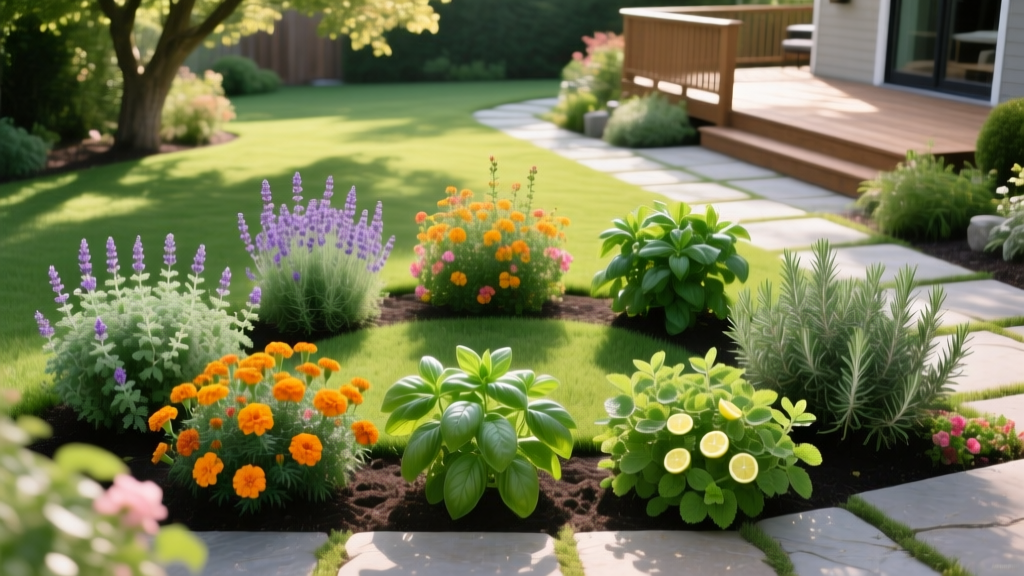
7 Best Plants That Keep Fleas Away From Your Yard & Pets
The Insect and Rodent Connection in Yard Defense
Flea infestations rarely start with your dog or cat; they start in the microclimates of your yard. Effective pest management requires an Insect & Rodent Yard Defense strategy. Fleas rely on warm-blooded hosts to transport them, and in suburban environments, those hosts are often rodents like mice, rats, and opossums. By strategically landscaping with specific botanical repellents, you create a dual-action barrier: masking the carbon dioxide and scent trails that attract hosts, while releasing volatile organic compounds (VOCs) that disrupt the nervous systems of adult fleas.
The plants that keep fleas away do not act as physical walls. Instead, they produce terpenes, pyrethrins, and alkaloids that make the surrounding environment inhospitable. When integrated into a broader perimeter defense strategy, these plants significantly reduce the carrying capacity of your lawn for both fleas and the rodents that harbor them.
Top 7 Plants That Keep Fleas Away: A Comparative Matrix
Selecting the right botanical defense requires matching the plant's active compound to your USDA hardiness zone, soil type, and household pet safety requirements. Below is a detailed breakdown of the most effective flea-repelling cultivars.
| Plant / Cultivar | Active Repellent Compound | USDA Zones | Pet Safety Profile | Optimal Spacing |
|---|---|---|---|---|
| Lavender (Lavandula angustifolia 'Hidcote') | Linalool, Camphor | 5-9 | Toxic if ingested in bulk; safe as border | 18-24 inches |
| Rosemary (Salvia rosmarinus 'Tuscan Blue') | Camphor, 1,8-Cineole | 7-10 | Safe for dogs; toxic to cats | 24-36 inches |
| Chrysanthemum (C. cinerariifolium) | Pyrethrin | 5-9 | Highly toxic to dogs and cats | 12-18 inches |
| Peppermint (Mentha x piperita) | Menthol, Pulegone | 3-8 | Highly toxic to cats and dogs | 12-18 inches (Contain!) |
| Lemongrass (Cymbopogon citratus) | Citronellal, Geraniol | 9-11 | Mildly toxic; causes GI upset | 24-36 inches |
| Sage (Salvia officinalis 'Berggarten') | Thujone, Camphor | 4-8 | Safe in small amounts; toxic in bulk | 18-24 inches |
| Fleabane Daisy (Erigeron annuus) | Volatiles, Tannins | 3-9 | Generally safe; monitor ingestion | 12-15 inches |
Note: Pyrethrin, derived from Chrysanthemum cinerariifolium, is the foundational ingredient in many commercial flea shampoos and yard sprays. However, the EPA notes that while highly effective against insects, pyrethrins are acutely toxic to mammals if ingested, necessitating strict placement away from pet play areas.
Strategic Planting for Perimeter Defense
Randomly placing potted mint on a patio will not stop a flea infestation. To leverage these plants for yard defense, you must engineer a botanical buffer zone targeting the primary entry points of rodents and wildlife.
- The 3-Foot Perimeter Buffer: Plant dense, woody shrubs like 'Tuscan Blue' rosemary and 'Hidcote' lavender in a continuous 3-foot-wide trench along the interior of your fence line. This disrupts the scent trails used by mice and opossums navigating the fence.
- Foundation Trenching: Rodents nest near the warm foundations of homes. Plant sage and lemongrass within 12 inches of your home's foundation. Ensure soil grading slopes away from the house at a 5% grade to prevent water pooling, which attracts both pests and moisture-loving flea larvae.
- Under-Canopy Shading: Flea larvae require high humidity and shade to survive. Plant shade-tolerant repellents like sweet woodruff or heavily mulch shaded areas under trees with cedar chips (which contain natural thujopsene) to desiccate larvae.
⚠ CRITICAL PET SAFETY WARNING: Essential oils are highly concentrated, but even whole plants pose risks. Peppermint and Chrysanthemums must never be planted in areas where dogs or cats roam freely. According to the ASPCA Animal Poison Control, ingestion of these plants can cause central nervous system depression, vomiting, and in severe cases, liver damage in felines. Always use physical barriers or elevated planters for toxic botanicals.
Companion Planting and Rodent Deterrence
Fleas are merely the symptom; rodents are the vector. A successful Insect & Rodent Yard Defense protocol uses companion planting to evict the hosts. Mice and rats possess highly sensitive olfactory systems. The strong phenolic compounds in peppermint and sage overwhelm their Jacobson's organ, effectively blinding their sense of smell and driving them to forage elsewhere. By interplanting pungent herbs near your compost bins, trash enclosures, and shed foundations, you cut off the flea supply chain at its source.
Maintenance: Maximizing Essential Oil Release
The repellent efficacy of these plants is directly tied to the release of their volatile oils. A dormant, unpruned lavender bush offers minimal pest defense. Implement the following maintenance schedule:
- Mechanical Bruising: Once a week during peak flea season (late spring through early autumn), gently brush your hands or a soft broom over the foliage of rosemary and lavender. This micro-damages the trichomes (oil glands), releasing a concentrated burst of terpenes into the immediate air space.
- Strategic Pruning: Prune woody herbs like rosemary and sage immediately after they flower. Cutting back by 30% stimulates new vegetative growth, which contains a higher concentration of defensive essential oils than older, lignified stems.
- Soil pH Management: Lavender and rosemary require alkaline soil (pH 6.5 to 7.5) to synthesize optimal levels of camphor. Test your soil annually and amend with agricultural lime if the pH drops below 6.0, as acidic soil stunts terpene production.
When Botanicals Aren't Enough: Biological Integration
Plants that keep fleas away are excellent deterrents, but they cannot eradicate an established infestation where flea pupae are already encased in their protective cocoons in the soil. For active infestations, integrate botanical borders with biological warfare: Beneficial Nematodes.
Specifically, the species Steinernema carpocapsae is a microscopic, soil-dwelling roundworm that actively hunts and infects flea larvae and pupae.
Application Protocol for Nematodes:
- Dosage: Apply at a rate of 1 million nematodes per 1,000 square feet of lawn.
- Cost: Expect to pay between $35 and $45 for a commercial-grade 50-million nematode sponge, which covers approximately 5,000 square feet.
- Timing: Apply at dusk or on overcast days. UV radiation kills nematodes within minutes of exposure to direct sunlight.
- Moisture: Water the lawn thoroughly before application, and maintain soil moisture for 7 to 10 days post-application to allow the nematodes to migrate through the soil profile and locate flea hosts.
By combining a perimeter of linalool-rich lavender with a sub-surface application of S. carpocapsae, you attack the flea life cycle from the air down to the root zone, creating an impenetrable yard defense.
Frequently Asked Questions
Do marigolds keep fleas away?
While French Marigolds (Tagetes patula) are famous for repelling root-knot nematodes in vegetable gardens and deterring certain flying insects, they are largely ineffective against fleas. Their scent does not contain the specific terpenes required to disrupt flea host-seeking behavior. Stick to linalool and camphor-producing plants for flea defense.
Can I use cedar mulch instead of plants?
Yes, cedar mulch is an excellent supplementary defense. The natural oils in cedar (specifically thujopsene) are highly toxic to flea larvae and cause desiccation. Apply a 2-to-3-inch layer of cedar mulch in shaded areas, under decks, and around fence lines where fleas typically harbor. However, mulch does not replace the active, air-borne repellent properties of living plants like rosemary and lemongrass.
How fast do these plants work?
Established plants release oils continuously, but newly planted specimens take 60 to 90 days to develop the root mass and foliage density required to produce a meaningful repellent microclimate. For immediate relief while plants establish, use botanical essential oil sprays (like diluted cedarwood or eucalyptus) applied to the perimeter, ensuring they are properly diluted to avoid harming local pollinators.

