
Pest Control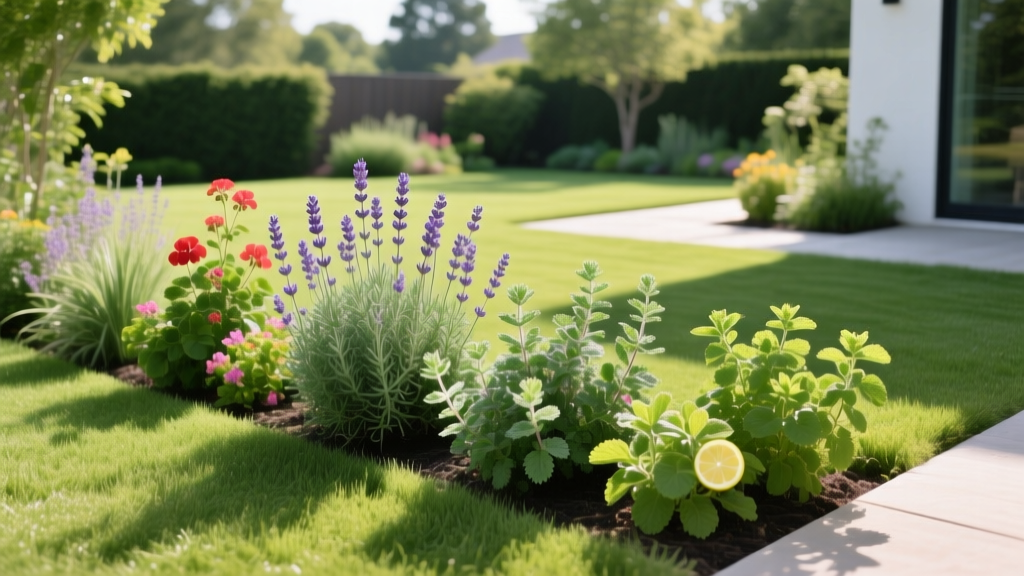
Top Flea Repelling Plants for Yard Defense and Perimeter Control
The Mechanics of Botanical Flea Deterrence
When building an insect and rodent yard defense strategy, relying solely on synthetic chemical sprays often disrupts local ecosystems and harms beneficial pollinators. Integrating flea repelling plants into your landscape offers a sustainable, long-term deterrent. However, it is critical to understand the biological mechanism at play: these plants do not kill adult fleas. Instead, they emit volatile organic compounds (VOCs) that mask the carbon dioxide and lactic acid signatures of mammalian hosts, effectively cloaking your yard from foraging fleas.
For botanical defense to work, the plants must be strategically placed in high-traffic transition zones—such as property lines, patio perimeters, and beneath deck lattices—where fleas typically migrate from neighboring wildlife corridors. According to the Environmental Protection Agency's guidelines on Integrated Pest Management, combining botanical deterrents with biological controls creates a multi-tiered defense matrix that significantly reduces pest pressure without chemical resistance buildup.
Top 4 Flea Repelling Plants for Perimeter Defense
Not all aromatic plants are created equal. The efficacy of a botanical repellent depends on its specific essential oil concentration and its ability to thrive in your local microclimate. Below are the four most effective cultivars for yard defense, complete with specific soil and maintenance requirements.
1. Lavender (Lavandula angustifolia 'Hidcote')
While many lavender varieties exist, Lavandula angustifolia 'Hidcote' is the superior choice for pest defense due to its exceptionally high linalool and camphor content. These compounds are highly disruptive to the olfactory receptors of fleas and ticks.
- Soil Requirements: Alkaline, well-draining soil with a pH between 6.5 and 7.5. Amend heavy clay with 30% coarse horticultural sand by volume.
- Spacing: Plant 18 to 24 inches apart to ensure airflow, preventing the fungal root rot that frequently kills lavender in humid climates.
- Cost: 1-gallon mature plants typically range from $12 to $18 at local nurseries.
- Expert Insight: According to NC State Extension, shearing the plant back by one-third immediately after the first bloom cycle in early summer stimulates dense, oil-rich foliage growth just in time for peak flea season in late summer.
2. Rosemary (Salvia rosmarinus 'Tuscan Blue')
Rosemary contains 1,8-cineole (eucalyptol) and alpha-pinene, both of which act as potent spatial repellents for fleas, mosquitoes, and certain rodent species. The 'Tuscan Blue' cultivar grows upright and vigorously, making it ideal for creating a dense, 4-foot-tall living barrier along fence lines.
- Soil Requirements: Sandy loam with a slightly acidic to neutral pH (6.0 to 7.0). Requires excellent drainage.
- Sunlight: Minimum 6 to 8 hours of direct, unfiltered sunlight daily.
- Maintenance: Prune the lower 6 inches of branches to improve air circulation at the soil line, which deters ground-dwelling pests from nesting in the mulch beneath the shrub.
3. Lemongrass (Cymbopogon citratus)
Lemongrass is the natural source of citronellal, a compound widely used in commercial pest repellents. It grows rapidly in warm climates, forming thick, 3-to-5-foot clumps that create a physical and aromatic barrier.
- Climate Constraints: Hardy only in USDA Zones 9 through 11. In colder zones, it must be grown in large, movable containers (minimum 15 gallons) and overwintered in a greenhouse or garage.
- Fertilization: Heavy feeder. Apply a high-nitrogen organic fertilizer (such as a 4-1-2 blood meal blend) every six weeks during the growing season to maximize essential oil production.
- Placement: Ideal for flanking gateways and patio stairs where human and pet traffic is highest. Refer to University of Florida IFAS for specific regional planting windows.
4. French Marigold (Tagetes patula)
French marigolds produce alpha-terthienyl, a phototoxic compound that suppresses soil-dwelling nematodes, while their pungent above-ground volatile oils mask host scents from adult fleas. Unlike taller African marigolds, the compact French varieties form a dense, low-growing carpet ideal for bordering garden beds.
- Cultivar Selection: Choose the 'Taishan' or 'Boy' series for maximum foliage density and continuous blooming.
- Planting Strategy: Sow seeds directly into the soil after the last frost date, spacing them 8 to 10 inches apart. They will form a solid visual and aromatic wall within 45 days.
- Lifespan: Annuals. You must replant each spring, but they readily self-seed in undisturbed soil.
Strategic Spacing and the 'Halo Effect'
A common failure mode in botanical pest control is under-planting. A single lavender bush will not protect a 5,000-square-foot yard. Flea repelling plants create a localized 'halo' of protection. To form a continuous barrier, the halos must overlap. Use the matrix below to calculate your planting density.
| Plant Species | Primary VOC Compound | Effective Repellent Radius | Optimal Border Spacing | Pet Toxicity Risk |
|---|---|---|---|---|
| Lavender ('Hidcote') | Linalool / Camphor | 2.5 to 3 feet | 18 to 24 inches | Low (Mild GI upset if ingested in bulk) |
| Rosemary ('Tuscan Blue') | 1,8-Cineole | 3 to 4 feet | 24 to 36 inches | Low |
| Lemongrass | Citronellal | 4 to 5 feet | 36 to 48 inches | Moderate (Toxic to cats/dogs if chewed) |
| French Marigold | Alpha-terthienyl | 1.5 to 2 feet | 8 to 10 inches | Low |
Pet Safety and Toxicity Warnings
Critical Toxicity Alert: Pennyroyal and Eucalyptus
When researching flea repelling plants, you will frequently encounter Pennyroyal (Mentha pulegium) recommended for its high pulegone content. Do not plant pennyroyal if you have dogs or cats. Pulegone is highly hepatotoxic (liver-damaging) to pets and humans if ingested, and even brushing against the bruised leaves can cause contact dermatitis or respiratory distress in small animals. Similarly, avoid planting Eucalyptus globulus in pet-accessible areas, as the concentrated essential oils can cause severe neurological symptoms in canines if consumed.
Integrating Botanicals with Biological Controls
Plants mask host odors, but they do not eliminate the existing flea population in your soil. To achieve true yard defense, pair your botanical perimeter with beneficial nematodes—specifically Steinernema carpocapsae. These microscopic worms actively hunt and destroy flea larvae and pupae in the top 2 inches of soil.
- Timing: Apply nematodes when soil temperatures consistently reach 55°F to 85°F (typically mid-spring).
- Application Rate: Use approximately 10 million nematodes per 1,500 square feet of lawn or garden bed.
- Moisture Requirement: Nematodes require a moist environment to travel through soil pores. Water the target area thoroughly before application, and keep the soil damp (but not waterlogged) for 7 to 10 days post-application.
- Synergy: Plant your lavender and rosemary borders after the initial nematode application has settled, ensuring the roots do not disrupt the active biological network in the topsoil.
Frequently Asked Questions
Do flea repelling plants work indoors?
Potted lavender or rosemary can provide mild deterrence in sunrooms or enclosed patios, but indoor flea infestations are driven by the stable, humid microclimate of carpets and upholstery. Indoor infestations require mechanical removal (HEPA vacuuming) and targeted insect growth regulators (IGRs) like methoprene, rather than reliance on potted plants.
How often should I crush or bruise the leaves to release the oils?
You do not need to manually bruise the plants. Wind movement, rainfall, and the natural diurnal temperature shifts cause the plants to release VOCs continuously. Over-pruning or bruising the leaves manually can actually stress the plant, reducing its overall vigor and long-term oil production.
Will these plants repel ticks as well?
Yes, the same volatile compounds (linalool, 1,8-cineole, and citronellal) that disrupt flea olfactory sensors are also highly effective at deterring the American Dog Tick (Dermacentor variabilis) and the Black-legged Tick (Ixodes scapularis). Planting a dense rosemary border at the edge of wooded areas is a proven strategy for reducing tick migration into manicured lawn spaces.

