
Pest Control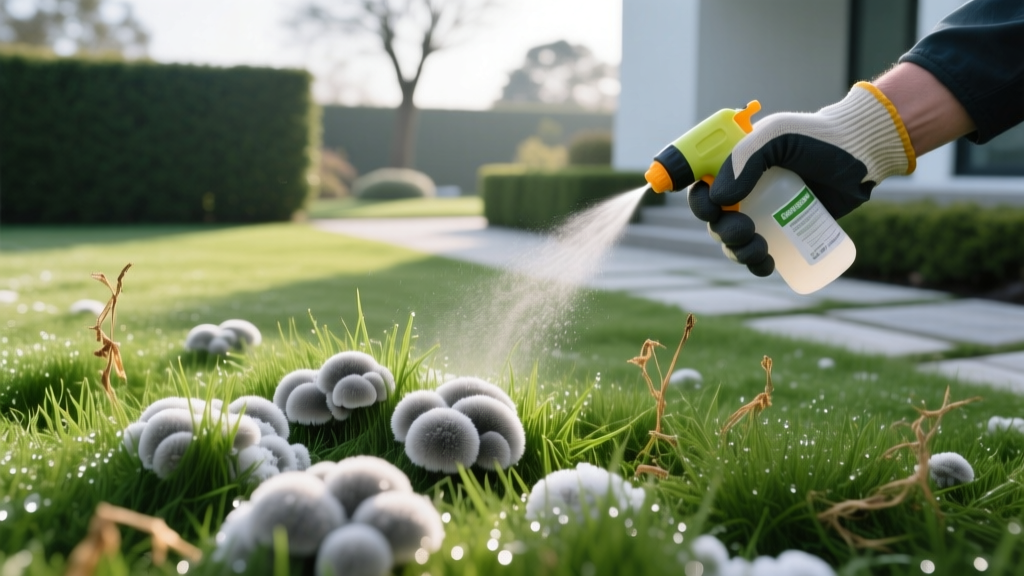
Fungicides for Snow Mold: Diagnosis and Rescue Fixes
Snow mold is not a single pathogen but a complex of cold-weather fungal diseases that thrive under snow cover or in cold, saturated soil. When the spring thaw reveals matted, discolored turf, homeowners often panic and reach for chemical controls. However, applying fungicides for snow mold as a curative rescue treatment requires precise timing, correct pathogen identification, and an understanding of soil temperature thresholds. Misapplication in the spring is one of the most common and expensive turf management mistakes.
Symptom Diagnosis: Gray vs. Pink Snow Mold
Before selecting a chemical intervention, you must identify the specific pathogen. The two primary culprits are Typhula incarnata (Gray Snow Mold) and Microdochium nivale (Pink Snow Mold). They require different environmental triggers and respond differently to chemical classes.
Diagnostic Field Checklist
- Gray Snow Mold (Typhula Blight): Appears as circular patches 8 to 12 inches wide. The grass is matted and grayish-white. Key Identifier: Look for sclerotia—hard, mustard-seed-sized reddish-brown or black resting structures embedded in the leaf tissue. Requires prolonged snow cover (60+ days) to develop.
- Pink Snow Mold (Microdochium Patch): Patches are smaller (1 to 8 inches) and often coalesce. The margins may exhibit a salmon-pink or copper-colored ring when wet. Key Identifier: No sclerotia are present; instead, you may see white-to-pink mycelium on the edges. Crucially, pink snow mold does not require snow; it thrives in cold (32°F–50°F), wet, and humid conditions.
According to turf pathology research from the University of Minnesota Extension, Gray Snow Mold is primarily a cosmetic issue that rarely kills the turf crown, whereas Pink Snow Mold can be highly destructive, killing the plant crown and roots if left unchecked during cold, wet springs.
The Timing Trap: Preventative vs. Curative Application
The efficacy of fungicides for snow mold drops exponentially if applied at the wrong time. Fungicides are categorized by their application window relative to the pathogen's life cycle.
Preventative (Late Fall)
The gold standard for snow mold management is a late-fall preventative application. This must be done when soil temperatures at a 2-inch depth drop to 50°F and are falling toward 32°F, typically just before the first permanent snow cover. At this stage, systemic fungicides are absorbed by the turf crown, creating a chemical barrier that halts fungal spore germination under the snow.
Curative / Rescue (Early Spring)
If you missed the fall window and discover active snow mold as the snow melts, you are in a curative rescue scenario. Curative applications only work if the soil temperature is still below 55°F and the pathogen is actively growing. Once daytime air temperatures consistently exceed 60°F, the fungi naturally sporulate and go dormant. Spraying fungicides on dormant snow mold is a waste of chemical and money; it will not green up dead grass.
Top Fungicides for Snow Mold: Active Ingredients & Product Guide
When executing a rescue fix, you need active ingredients with strong translaminar or systemic properties and proven efficacy against Microdochium and Typhula. Below is a comparison matrix of the most effective chemical classes available to homeowners and turf professionals.
| Active Ingredient | Chemical Class | Example Products | Approx. Cost (per 1k sq ft) | Best Use Case |
|---|---|---|---|---|
| Azoxystrobin | QoI (Strobilurin) | Heritage TL (Pro), Scotts DiseaseEX (Consumer) | $0.008 - $0.015 | Broad-spectrum preventative & early curative. Excellent for Pink Snow Mold. |
| Propiconazole | DMI (Triazole) | Banner MAXX (Pro), BioAdvanced Fungus Control | $0.010 - $0.020 | Systemic curative rescue. Halts active mycelial growth inside the plant. |
| Fludioxonil | Phenylpyrrole | Medallion (Pro) | $0.025 - $0.035 | Contact/translaminar. Superior for heavy Gray Snow Mold pressure. |
| Combination (Azo + Prop) | QoI + DMI | Headway (Pro), Patch Pro (Consumer) | $0.020 - $0.030 | Resistance management. The ultimate curative rescue tank-mix alternative. |
Note: Always read the EPA pesticide label before application. The label is the law and dictates the exact ounces per 1,000 square feet required for legal and effective treatment.
Step-by-Step Rescue Protocol for Active Outbreaks
If the snow has just melted, the ground is still cold (under 50°F), and you see active mycelium, follow this exact rescue sequence to halt the disease and save the turf crowns.
- Stand the Grass Up (Mechanical Drying): Do not rake aggressively while the soil is saturated; you will tear out healthy roots. Instead, use a stiff push-broom or a leaf blower on a low setting to gently stand the matted grass blades upright. This introduces airflow to the crown, which is lethal to snow mold fungi.
- Calibrate Your Sprayer: Fungicides require precise water volume to penetrate the thatch layer. Calibrate your backpack sprayer to deliver 2.0 gallons of water per 1,000 square feet. If your tank holds 2 gallons, you must cover exactly a 20x50 foot area per tankful.
- Apply a Systemic Curative: Mix a DMI fungicide like Propiconazole (e.g., Banner MAXX at 1.5 oz per 1,000 sq ft) or a combination product like Scotts DiseaseEX (granular, applied at 2 lbs per 1,000 sq ft). Apply evenly over the affected patches and a 2-foot buffer zone of healthy turf.
- Water-In (If Required): Check the label. Systemic granular products usually require 1/8 inch of irrigation immediately after application to move the active ingredient into the soil and crown. Liquid translaminar products often should be left to dry on the foliage.
The "Too Late" Threshold: When to Stop Spraying
Critical Diagnostic Rule: If your local daytime high temperatures have consistently exceeded 55°F to 60°F for more than five days, the snow mold pathogens have naturally sporulated and entered dormancy. Applying fungicides at this stage provides zero curative benefit. The damage is done, and your focus must immediately shift from chemical control to agronomic recovery.
Post-Treatment Lawn Recovery & Prevention
Fungicides halt the pathogen; they do not regenerate dead tissue. Once the rescue application has stopped the spread, implement these recovery tactics to fill in the scars:
- Core Aeration: Once the soil dries enough that you can walk on it without leaving deep footprints, perform core aeration. This relieves compaction caused by snow weight and improves oxygen flow to recovering roots.
- Targeted Overseeding: For patches larger than 6 inches in diameter, the surrounding turf will not lateral-spread fast enough to prevent weed invasion. Rake out the dead thatch, apply a high-phosphorus starter fertilizer (e.g., 10-18-10), and overseed with a compatible cool-season grass blend (Kentucky Bluegrass or Perennial Ryegrass).
- Adjust Fall Nitrogen Timing: To prevent future outbreaks, avoid applying high-nitrogen fertilizers within 6 weeks of the first expected snowfall. Late-fall nitrogen pushes lush, soft growth that is highly susceptible to Microdochium and Typhula infection. Switch to a potassium-heavy winterizer (e.g., 8-2-12) in late October to harden the plant cell walls.
By combining accurate symptom diagnosis with precisely timed chemical interventions, you can rescue a lawn from severe snow mold damage and establish a robust preventative protocol for the following winter. For ongoing regional disease forecasts and turfgrass management updates, consult resources like the American Phytopathological Society.

