
Pest Control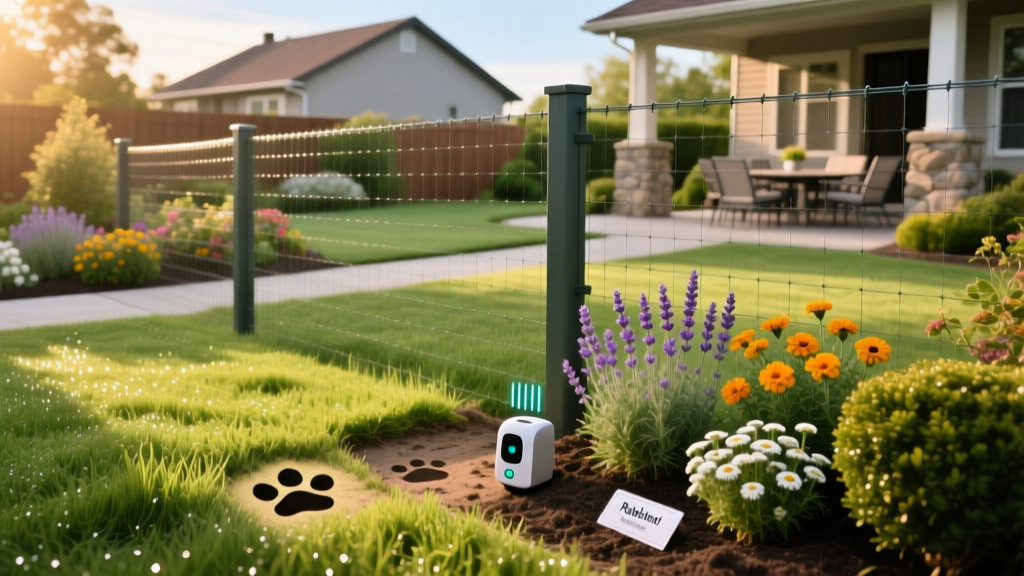
Ultimate Rabbit Control Guide: Fencing, Repellents & Plant Choices
The Biology of Garden Destruction
Effective rabbit control begins with understanding the feeding mechanics of the Eastern cottontail (Sylvilagus floridanus). Unlike deer, which lack upper incisors and tear plant material leaving ragged edges, rabbits possess sharp, scissor-like incisors that clip stems and leaves at a clean 45-degree angle. A single adult cottontail can consume up to one-third of its body weight in vegetation daily, meaning a small family group can decimate a newly planted vegetable garden or strip the bark from young fruit trees in a matter of hours.
According to the Internet Center for Wildlife Damage Management, rabbit populations thrive in suburban environments where natural predators are scarce and landscaped yards provide a mosaic of high-moisture food sources and dense shrub cover. Relying on a single deterrent method rarely works; a comprehensive strategy combining physical exclusion, targeted repellents, and strategic planting is required for long-term success.
Physical Barriers: The Only 100% Effective Rabbit Control Method
While repellents and plant choices reduce damage, physical exclusion is the only guaranteed way to protect high-value crops and vulnerable ornamentals. However, most homeowners install fencing incorrectly, leaving gaps that render the barrier useless.
Exact Fencing Specifications for Rabbit Exclusion
- Mesh Size: 1-inch hexagonal weave. (Standard 2-inch chain link or deer netting allows rabbit kits to pass through easily).
- Material: 16-gauge or 18-gauge galvanized steel poultry wire. Vinyl-coated options last longer but cost 30% more.
- Height: Minimum 24 inches above ground level. In regions with heavy winter snow, increase to 36 inches to account for snow drifts that elevate the rabbit's standing height.
- Subterranean Barrier: Bury the bottom 6 inches of the wire in a trench, or bend the bottom 12 inches outward at a 90-degree angle (an 'L-footer') and pin it to the soil with landscape staples.
- Estimated Cost: $1.20 to $1.80 per linear foot for 16-gauge wire, plus $3.50 per 30-inch galvanized steel U-post.
When installing gates, ensure the gap between the gate bottom and the ground is no more than 1 inch. Rabbits are highly compressible and can squeeze through spaces that appear far too small for their body mass. For individual tree protection, use cylindrical wire guards made of 0.5-inch mesh hardware cloth, standing 18 inches tall and placed 2 inches away from the trunk to prevent bark girdling.
Chemical & Organic Repellents: A Comparative Matrix
Repellents are best used as a secondary line of defense or for protecting large, unfenced areas. The University of Connecticut Extension notes that repellent efficacy drops significantly during periods of rapid plant growth (spring) and high food scarcity (winter), as rabbits will tolerate foul tastes when starving.
| Active Ingredient | Brand Examples | Mechanism | Reapplication | Safe for Edibles? |
|---|---|---|---|---|
| Putrescent Egg Solids | Liquid Fence, Deer Off | Olfactory (smell of decay) | Every 3-4 weeks & after rain | Yes (wash thoroughly) |
| Capsaicin / Hot Pepper | Hot Pepper Wax, Miller Hot Sauce | Gustatory (irritates mucous membranes) | Every 2 weeks | Yes |
| Thiram | Bonide Rabbit Scat | Gustatory (bitter fungicide) | Every 4 weeks | No (Ornamentals only) |
| Predator Urine (Coyote/Fox) | Shake-Away, PredatorPee | Olfactory (fear response) | Weekly | No (Pathogen risk) |
Application Failure Modes
The most common mistake homeowners make with repellents is failing to rotate active ingredients. Rabbits are highly adaptable; if a putrescent egg-based repellent is used continuously, the local population will habituate to the odor within 6 to 8 weeks. Alternate between an olfactory repellent (egg solids) in the spring and a gustatory repellent (capsaicin) in the summer to maintain efficacy. Furthermore, never apply liquid repellents when temperatures are below 40°F, as the water carrier can freeze and rupture plant cells, causing more damage than the rabbits.
Landscape Design: Rabbit-Resistant Plant Tiers
No plant is entirely 'rabbit-proof' under extreme starvation conditions, but incorporating highly resistant species into your garden design drastically reduces the overall carrying capacity of your yard for these pests.
Tier 1: Highly Resistant (Toxic or Pungent)
- Bulbs: Daffodils (Narcissus), Alliums, Snowdrops. (Note: Tulips and Crocus are highly preferred rabbit food).
- Perennials: Lavender, Russian Sage, Yarrow, Catmint, Bee Balm.
- Shrubs: Boxwood, Potentilla, Juniper.
Tier 2: Moderately Resistant (Tough or Fuzzy Textures)
- Ornamentals: Lamb's Ear, Poppy, Bleeding Heart, Foxglove.
- Grasses: Fescue, Miscanthus, Pampas grass.
Tier 3: Highly Vulnerable (Require Fencing)
- Vegetables: Peas, beans, lettuce, spinach, carrots, beets.
- Ornamentals: Hostas, Pansies, Petunias, Impatiens, Daylilies.
The Trapping Fallacy and Territorial Vacuums
"Live-trapping and relocating cottontails is not only illegal in many jurisdictions without a special permit, but it is also ecologically futile. Relocated rabbits suffer a mortality rate exceeding 75% within the first two weeks due to stress, predation, and unfamiliarity with local food and water sources."
Furthermore, removing a rabbit creates a 'territorial vacuum.' Cottontails maintain overlapping home ranges rather than strictly defended territories. When you remove one individual, the sudden availability of food and shelter immediately draws in transient rabbits from neighboring properties. Lethal trapping simply acts as a revolving door for new pests. Investing time and capital into exclusion and habitat modification yields a vastly superior return on investment compared to ongoing trapping efforts.
Seasonal Rabbit Control Calendar
Rabbit behavior shifts dramatically with the seasons. Align your control efforts with their biological cycles to maximize effectiveness.
- Early Spring (Bud Break): Inspect all existing wire fencing for winter damage and soil heave. Repair gaps immediately before the first litters are born (typically March to April). Apply putrescent egg repellent to emerging ornamental shoots.
- Late Spring / Early Summer: Transition to capsaicin-based repellents for vegetable gardens as plants enter rapid growth phases. Mow tall grass and clear brush piles within 50 feet of the garden to eliminate nesting cover.
- Late Summer: Rabbit populations peak as second and third litters mature. Ensure tree guards are securely in place before they begin practicing bark-stripping behaviors on young saplings.
- Late Fall / Winter: This is the period of highest risk for woody ornamentals and fruit trees. Install 18-inch hardware cloth cylinders around the base of all trees. If snow is expected, ensure fencing height accounts for the anticipated snow line, as rabbits will simply walk over the top of a 24-inch fence if snow drifts are 20 inches deep.

