
Pest Control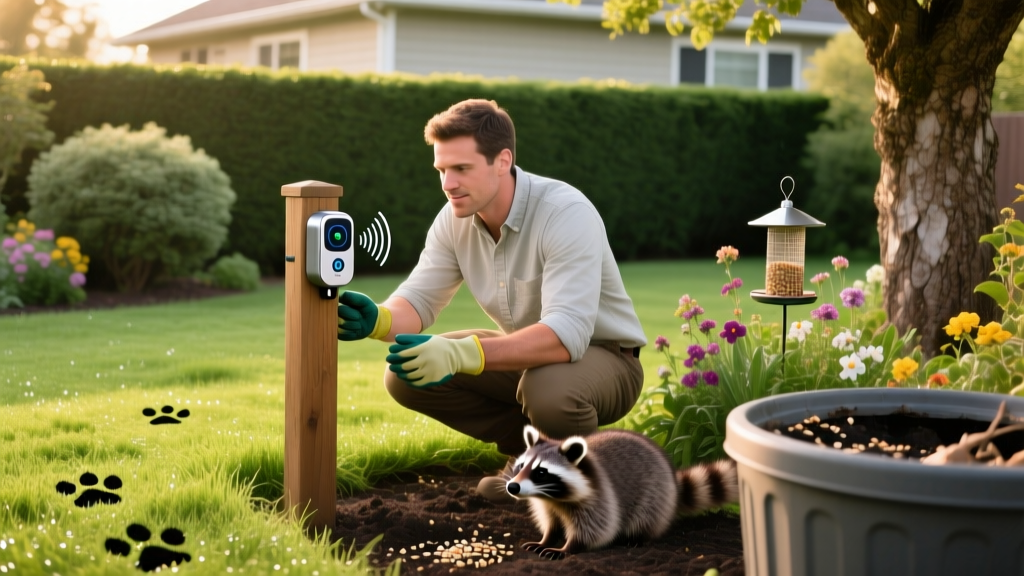
How to Get Rid of Raccoons: Proven Yard & Garden Deterrents
The Raccoon Problem: Beyond the Trash Can
Raccoons (Procyon lotor) are highly intelligent, dexterous omnivores that can cause severe structural and aesthetic damage to residential properties. While most homeowners associate them with raided garbage cans, their impact on lawns and gardens is often more costly. A single raccoon can tear up hundreds of square feet of turf in one night searching for white grubs, destroy ripening vegetable crops, and establish hazardous fecal latrines on decks or patios. Successfully learning how to get rid of raccoons requires a multi-layered approach focused on exclusion, habitat modification, and sensory deterrence rather than relying on ineffective gimmicks.
⚠️ Health Warning: Raccoons are primary vectors for rabies and carry Baylisascaris procyonis (raccoon roundworm). Never attempt to handle a raccoon with bare hands, and always wear an N95 respirator when cleaning up raccoon feces, as inhaling microscopic roundworm eggs can cause severe neurological damage in humans.
Physical Exclusion: The First Line of Defense
Because raccoons possess remarkable climbing abilities and can tear through weak materials, standard chicken wire is entirely useless against them. Effective exclusion requires heavy-duty materials and specific installation techniques.
Fortifying the Perimeter with L-Footers
To prevent raccoons from digging under decks, sheds, or fences, install an 'L-footer' trench. Purchase 16-gauge, 1/2-inch galvanized hardware cloth. Dig a trench 6 inches deep and 12 inches wide along the perimeter of the structure. Bury the wire 6 inches straight down, then bend the remaining 12 inches outward at a 90-degree angle (forming an 'L') away from the structure, and cover it with soil or mulch. When a raccoon digs at the base of the structure, they will hit the wire mesh and cannot dig through or under it.
Securing Trash and Compost
Raccoons can easily unscrew standard lids and unhook basic bungee cords. Upgrade to animal-proof containment systems:
- CritterLid ($30-$40): A heavy-duty, ratchet-strapping system that secures standard 32-to-50-gallon trash can lids. The straps route under the can's handles, making it impossible for raccoons to pry the lid off without human-level leverage.
- Bearicade Bins ($150-$200): If you live in an area with high mammal pressure, invest in bear-resistant trash cans certified by the Interagency Grizzly Bear Committee (IGBC). These feature complex locking mechanisms that raccoons cannot manipulate.
- Compost Management: Never put meat, dairy, or oily food scraps in an open compost pile. Use a fully enclosed, tumbling compost bin elevated at least 18 inches off the ground.
Sensory Deterrents: What Works and What Doesn't
The market is flooded with ultrasonic pest repellers that claim to emit high-frequency sounds to scare mammals away. Independent university studies consistently show these devices are largely ineffective against raccoons, as they quickly habituate to the noise or simply ignore it if a high-value food source is present. Instead, rely on dynamic, unpredictable deterrents.
| Deterrent Type | Specific Product/Method | Efficacy | Estimated Cost |
|---|---|---|---|
| Motion-Activated Sprinkler | Orbit 62100 Yard Enforcer | High (Startles via water + noise) | $55 - $65 |
| Motion-Activated Light | LEPOWER 35W LED Security Light | Moderate (Habituation occurs) | $35 - $45 |
| Ultrasonic Repeller | Various solar-powered yard stakes | Low (Raccoons ignore frequencies) | $20 - $40 |
| Scent Repellent | Coyote Urine / Ammonia soaked rags | Low-Moderate (Washes away in rain) | $15 - $25 |
The University of California Statewide Integrated Pest Management Program notes that motion-activated water sprinklers are among the most effective non-lethal deterrents for protecting specific garden beds or koi ponds, as the physical sensation of being sprayed combined with the sudden mechanical clicking creates a strong negative association.
Habitat Modification: Removing the Buffet
If raccoons are rolling back your sod like a carpet, they are hunting for white grubs (the larvae of Japanese beetles, June bugs, and European chafers). Eliminating the food source is the only permanent way to stop this specific type of lawn damage.
Targeted Grub Control
Apply a preventative grub control treatment in late spring or early summer. Products containing chlorantraniliprole (such as Scotts GrubEX1 or professional-grade Acelepryn) are highly effective and have a low toxicity profile for non-target organisms like earthworms and pollinators. For a strictly organic approach, apply Milky Spore (Paenibacillus popilliae), a naturally occurring bacterium that specifically targets Japanese beetle grubs. While Milky Spore takes 1 to 3 years to fully establish in the soil, a single application of 10 lbs (covering roughly 2,500 sq ft, costing about $45) can provide control for up to 15 years.
Fall Fruit and Bird Feeder Management
Raccoons will gorge on fallen fruit to build fat reserves for winter. Harvest tree fruits promptly and clean up windfalls daily. For bird feeders, switch to safflower seed or nyjer (thistle) seed, which raccoons find unpalatable, and install a metal, raccoon-proof baffle pole (at least 24 inches long and 8 inches in diameter) to prevent them from climbing the feeder stand.
Humane Trapping and Relocation: The Legal Reality
Many homeowners immediately turn to live trapping when learning how to get rid of raccoons, but this approach is fraught with legal and ethical complications. According to the Humane Society of the United States, relocating raccoons is illegal in many states without a special permit, as they are classified as rabies vector species. Furthermore, relocated raccoons rarely survive in new territories due to competition and lack of known food/water sources.
💡 Pro Trapping Tip: If you must trap a raccoon (e.g., it is trapped in an attic or local law permits yard trapping), use a Havahart 1081 trap (32 x 10 x 12 inches). Bait it with marshmallows or sardines. Never use peanut butter, as it will attract skunks, which are much more difficult to release safely.
Raccoon Latrine Cleanup Protocol
Raccoons repeatedly defecate in the same location, creating a 'latrine' often found on flat surfaces like decks, patios, or large rocks. These latrines accumulate millions of Baylisascaris procyonis eggs, which become infectious after 2 to 4 weeks and can survive in the soil for years. The Centers for Disease Control and Prevention (CDC) outlines strict protocols for cleaning these areas to prevent human infection.
- Protective Gear: Put on an N95 respirator, heavy-duty rubber gloves, and disposable shoe covers.
- Remove Feces: Carefully scoop the feces and the top 1/4 inch of underlying soil or debris into a heavy-duty plastic bag.
- Decontaminate: Raccoon roundworm eggs are highly resistant to standard household disinfectants. You must use extreme heat or strong chemicals. Pour boiling water over hard surfaces (concrete, wood decks) or use a 10% bleach solution. For soil, the most effective method is to remove the top 2 inches of soil and dispose of it in sealed bags, or use a propane weed torch to scorch the earth and destroy the eggs.
- Disposal: Seal the waste bags tightly and dispose of them in your outdoor trash receptacle. Wash all tools and boots with hot, soapy water.
Frequently Asked Questions
Do mothballs keep raccoons away?
No. Using mothballs (naphthalene or paradichlorobenzene) outdoors to repel raccoons is illegal in most jurisdictions, as it violates federal pesticide labeling laws. Furthermore, mothballs dissolve in rain, contaminating your soil and groundwater with toxic chemicals, while failing to deter raccoons effectively.
Will a fake owl or coyote decoy scare raccoons?
Static decoys work for roughly 48 hours. Raccoons have excellent spatial memory and will quickly realize the decoy does not move or pose a threat. If you use a visual decoy, you must physically move it to a new location every single day to maintain the illusion of a live predator, which is highly impractical for most homeowners.
What time of night are raccoons most active?
Raccoons are primarily nocturnal, with peak foraging activity occurring between 10:00 PM and 2:00 AM. Setting motion-activated sprinklers or lights to trigger only during these hours will save battery life and prevent false triggers from daytime wildlife like squirrels or domestic pets.

