
Pest Control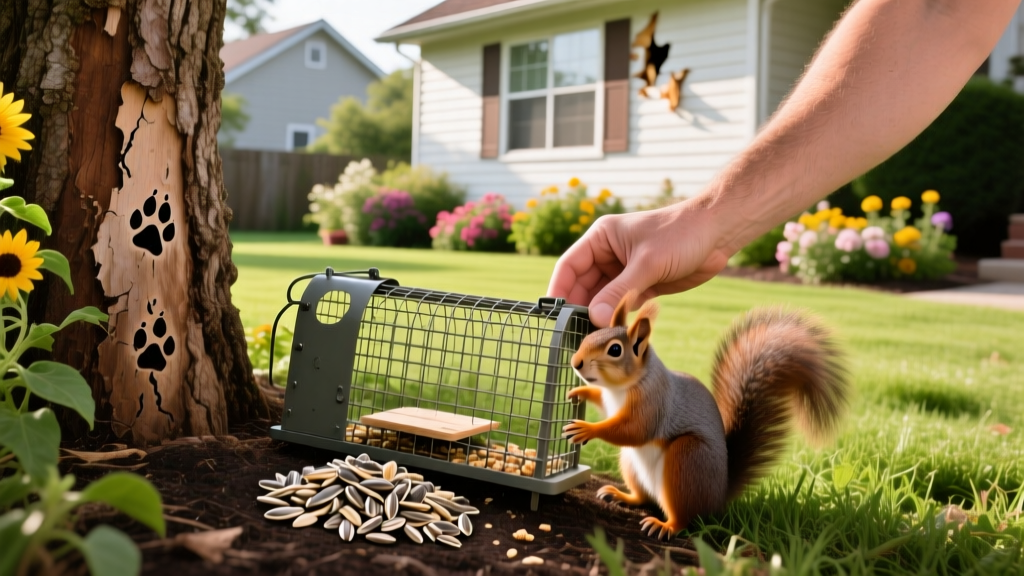
How to Get Rid of a Squirrel: Proven Yard & Attic Tactics
Squirrels are highly adaptable rodents that can cause extensive property damage and decimate garden investments. An adult Eastern Gray Squirrel (Sciurus carolinensis) possesses incisors that grow continuously, compelling them to chew on wooden fascia boards, PVC sprinkler lines, and even HVAC wiring. According to the National Pest Management Association, rodent-related wire damage in attics accounts for thousands of residential electrical fires annually. Successfully managing a squirrel infestation requires a multi-tiered approach targeting their food sources, entry points, and nesting behaviors.
Identify the Intruder: Tree Squirrels vs. Ground Squirrels
Before deploying control methods, confirm which species is damaging your property. Treatment protocols for arboreal tree squirrels differ drastically from those for burrowing ground squirrels.
| Characteristic | Tree Squirrels (Eastern Gray, Fox) | Ground Squirrels (California, Rock) |
|---|---|---|
| Primary Habitat | Attics, chimneys, tree canopies, fence lines | Underground burrow systems, rock piles |
| Lawn Damage | Shallow digging for cached nuts, stripped bark | Deep burrows (up to 30 ft), massive soil mounds |
| Primary Control | Attic exclusion, baffles, capsaicin repellents | Burrow fumigation, deep-trench hardware cloth |
The Bird Feeder Battleground: Squirrel-Proofing Tactics
Bird feeders are the primary attractant for urban squirrels. Standard pole-mounted feeders are easily defeated by a squirrel's ability to leap 8 feet horizontally and climb upside down. To secure your feeders, implement mechanical and dietary deterrents.
Mechanical Baffles and Weight-Activated Feeders
Install a pole-mounted torpedo baffle at least 5 feet above the ground. Squirrels can jump over baffles placed too low. For the feeder itself, upgrade to a weight-activated model like the Brome Squirrel Buster Plus (Model 1024), which retails for approximately $85. This feeder features an adjustable shroud that closes the seed ports when a weight exceeding 3.5 ounces is detected, effectively blocking adult squirrels while allowing smaller birds like chickadees and finches to feed.
Dietary Deterrence: The Safflower Seed Strategy
Squirrels are highly selective foragers that prefer high-fat black oil sunflower seeds and peanuts. Switching your primary feed to whole safflower seed exploits a dietary aversion. Squirrels find the hard, bitter hull of the safflower seed unpalatable, while cardinals, grosbeaks, and nuthatches possess the beak strength and preference to crack them easily.
Warning: Avoid Poison and Glue Traps
Using rodenticides or glue boards for squirrels is illegal in many jurisdictions and ecologically hazardous. Secondary poisoning frequently kills raptors, such as hawks and owls, that scavenge incapacitated squirrels. Furthermore, squirrels dying inside wall voids create severe biohazard and odor issues that require professional drywall remediation.
Garden and Lawn Deterrence: Repellents that Actually Work
When squirrels dig up freshly planted bulbs or strip the bark from young ornamental trees, chemical and sensory repellents can provide temporary relief. However, efficacy depends entirely on the active ingredient concentration and application frequency.
- Capsaicin-Based Sprays: Products like Liquid Fence (Model 109) utilize high concentrations of capsaicin (the active component in chili peppers). Apply directly to plant foliage and bulb planting holes. Reapply every 7 days and immediately after 0.5 inches of rainfall.
- Predator Urine Granules: Fox or coyote urine granules trigger a primal flight response. Scatter these along fence lines and the base of bird feeders. Note that UV degradation and rain reduce efficacy after 10 to 14 days.
- Taste-Aversion Bulb Coatings: Before planting tulips or crocus bulbs, coat them in a liquid rosin and capsaicin mixture. Squirrels often dig up bulbs just to take a single bite; the rosin makes the bulb sticky and unpalatable, causing the squirrel to drop it and abandon the cache.
Attic Exclusion: Sealing Entry Points and One-Way Doors
If you hear heavy scratching and rolling sounds in your attic during daylight hours, you likely have a nesting female squirrel. The Humane Society of the United States strongly advises against simply sealing the hole while the squirrel is inside, as this traps the animal and guarantees structural damage as it attempts to chew out. Follow this strict exclusion protocol:
- Locate All Entry Points: Inspect the roofline, soffit vents, and fascia boards. Squirrels can compress their skulls to fit through holes as small as 1.5 inches in diameter.
- Install a One-Way Exclusion Door: Mount a device like the Tomahawk One-Way Door (Model 80100) over the primary entry hole. Seal all other secondary gaps using expanding polyurethane foam or steel wool. The one-way door allows the squirrel to exit for foraging but physically blocks reentry.
- Wait and Verify: Leave the door in place for 48 to 72 hours. Monitor the exterior to ensure no squirrels are attempting to re-enter. If it is spring (birthing season), you must wait until the kits are mobile (approx. 6-8 weeks old) or hire a professional to manually extract the nest, otherwise the mother will tear the roof apart to reach her young.
- Permanent Sealing: Once the attic is verified empty, remove the one-way door and seal the hole with 1/2-inch, 19-gauge galvanized steel hardware cloth. Never use chicken wire or plastic mesh; squirrel incisors can easily shear through thin-gauge chicken wire and all plastics. Secure the mesh with heavy-duty galvanized staples every 3 inches.
Cost Expectation: DIY attic exclusion materials (hardware cloth, one-way doors, staples) typically cost between $120 and $180. Professional wildlife removal services charge an average of $450 to $850 for a complete exclusion and sanitation package in 2026.
Trapping and Relocation: Legal Realities and Best Practices
Live trapping is a common DIY approach, but it is fraught with legal and ethical complications. According to the University of California Agriculture and Natural Resources, relocating tree squirrels is illegal in many states without a specific depredation permit, as it can spread diseases and disrupt local ecosystems.
If local laws permit trapping, use a Havahart 1045 Live Trap (17 x 7 x 7 inches). Bait the trap with a mixture of peanut butter and unshelled walnuts placed behind the trigger plate to force the squirrel to fully enter. Place the trap in the shade to prevent hyperthermia, which can kill a trapped squirrel within 30 minutes on a warm day. Check traps every 12 hours. If relocation is illegal in your jurisdiction, trapped squirrels must be humanely euthanized or released on the exact property where they were captured.
Frequently Asked Questions
Will ultrasonic squirrel repellents work in my yard?
No. Independent entomological and wildlife studies consistently show that ultrasonic sound emitters have virtually no long-term deterrent effect on squirrels. The animals quickly habituate to the high-frequency noise, especially when a high-value food source like a bird feeder is present.
How do I stop squirrels from digging up my newly laid sod?
Squirrels dig in fresh sod looking for grubs or to cache food. Temporarily pin biodegradable jute netting over the new sod. The netting prevents digging while allowing grass blades to penetrate. Alternatively, apply a milky spore disease treatment (Paenibacillus popilliae) to eliminate the grub population that is attracting the foraging squirrels.
Can I use mothballs to drive squirrels out of my garden?
Using mothballs (naphthalene or paradichlorobenzene) outdoors is a violation of federal pesticide laws. These chemicals leach into the soil, contaminate groundwater, and are highly toxic to pets and children. They are entirely ineffective for outdoor mammal deterrence due to rapid dissipation in open air.

