
Pest Control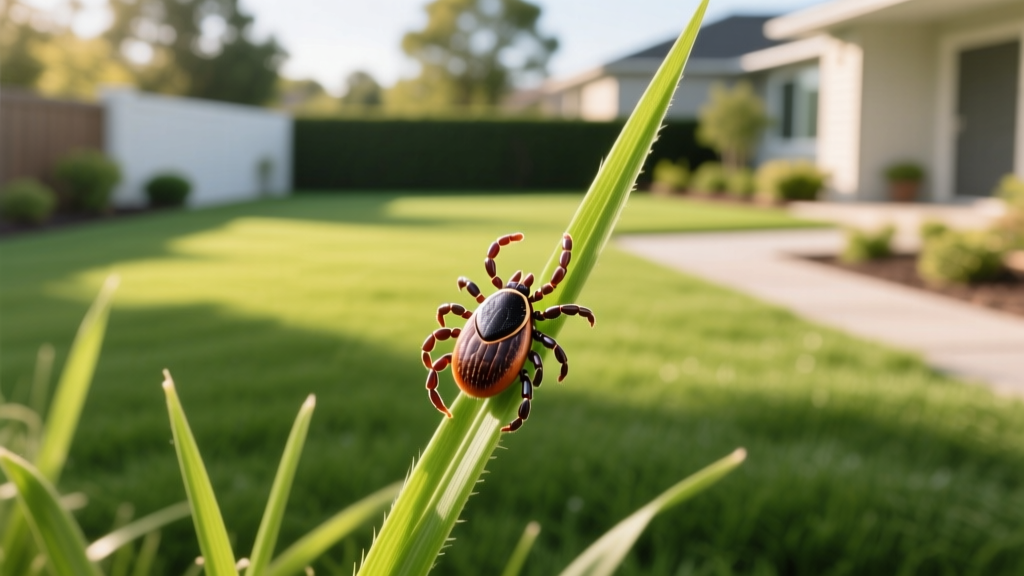
How to Get Rid of Ticks in Your Backyard: Diagnosis & Solutions
Expanding hardiness zones and milder winters have accelerated the geographic spread of Ixodes scapularis (blacklegged tick) and Amblyomma americanum (lone star tick) across North America. If you are trying to get rid of ticks in your backyard, generic perimeter spraying is no longer sufficient. Effective tick management requires a multi-layered approach combining precise population diagnosis, targeted habitat modification, and strategic application of modern acaricides or biological controls.
This guide provides a clinical, step-by-step framework for diagnosing your yard's tick pressure and executing a treatment plan that yields measurable results.
Diagnosing the Tick Problem: Identifying Hotspots and Species
Before purchasing any chemical treatments, you must quantify the infestation and identify where ticks are questing. Ticks do not drop from trees; they quest at ground level, waiting on the tips of grass blades or leaf litter to latch onto passing hosts.
The "Tick Drag" Method for Population Assessment
Entomologists use a standardized method to measure tick density, and homeowners can replicate it to establish a baseline before treatment and measure efficacy afterward.
DIY Tick Drag Protocol:
- Attach a 1-meter by 1-meter piece of white corduroy or heavy flannel to a wooden dowel.
- Walk slowly through suspected tick zones (wooded edges, tall grass, mulch beds), dragging the cloth behind you.
- Stop every 10 seconds to inspect the cloth. Ticks will be visible as small, dark specks clinging to the fabric.
- Record the number of ticks collected per 100 meters dragged to establish your baseline density.
Common Backyard Culprits
Identifying the species dictates your urgency and treatment focus. According to Penn State Extension Tick Management guidelines, the two most problematic yard invaders are:
- Blacklegged Tick (Deer Tick): The primary vector for Lyme disease. They thrive in moist, shaded leaf litter and are extremely small (poppy-seed sized as nymphs).
- American Dog Tick: Larger and more tolerant of dry conditions. They prefer open, grassy areas with low brush and are primary vectors for Rocky Mountain spotted fever.
Environmental Modifications: Making Your Yard Inhospitable
Ticks are highly susceptible to desiccation. They require high humidity (above 80%) at the soil level to survive. Altering your landscape's microclimate is the most permanent way to get rid of ticks in your backyard without relying solely on chemicals.
- The 3-Foot Barrier Rule: Create a 3-foot-wide border of dry wood chips or gravel between wooded areas and your lawn. Ticks cannot cross this dry, sun-baked barrier without fatal moisture loss.
- Canopy Thinning: Prune lower tree branches to allow direct sunlight to penetrate the soil. This lowers ground-level humidity and dries out the leaf litter where ticks overwinter.
- Mulch Selection: Avoid using moist, decaying hardwood mulch near play areas. Cedar mulch contains natural oils that act as a mild repellent, though it will not kill an established population.
- Debris Removal: Clear stone walls, woodpiles, and dense groundcovers (like ivy) that harbor the rodents and small mammals that serve as primary tick hosts.
Chemical & Organic Treatment Solutions
When environmental modifications are not enough, targeted acaricide application is required. The choice between synthetic pyrethroids and organic alternatives depends on your budget, yard size, and environmental constraints.
| Active Ingredient | Product Example | Cost per 5,000 sq ft | Residual Life | Best Use Case |
|---|---|---|---|---|
| Bifenthrin (7.9%) | Talstar P Professional | $12 - $18 | 30 - 60 Days | Heavy infestations, perimeter defense |
| Permethrin + IGR | NyGuard IGR Mix | $25 - $35 | 60 - 90 Days | Long-term population suppression |
| Cedarwood Oil | EcoSmart Organic | $30 - $45 | 7 - 14 Days | Pet-safe areas, organic gardens |
| Metarhizium brunneum | TickControl Biopesticide | $60 - $80 | Spreads naturally | Ecologically sensitive zones |
Understanding Application Equipment
A standard garden hose-end sprayer often fails to deliver acaricides deep into the thatch and leaf litter where ticks reside. For properties over 1/4 acre, renting or purchasing a backpack mist blower (such as the Stihl SR 450, retailing around $650) is highly recommended. Mist blowers generate a fine aerosol that penetrates the dense lower canopy of shrubs and groundcover, ensuring the chemical reaches the ticks' questing height.
Biological Controls: Entomopathogenic Fungi
For homeowners near water sources or those avoiding synthetic pyrethroids, biological pesticides offer a highly effective alternative. Products containing Metarhizium brunneum strain F52 utilize a naturally occurring soil fungus that specifically targets arthropods.
When a tick walks across treated soil, the fungal spores attach to its exoskeleton, germinate, and penetrate the cuticle. The fungus then consumes the tick from the inside out, killing it within 7 to 14 days. Furthermore, the dead tick sprouts new fungal spores, creating a secondary infection cycle that can naturally suppress the local tick population over time. While the initial kill speed is slower than Bifenthrin, the long-term ecological impact is vastly superior.
Step-by-Step Application Protocol for Maximum Efficacy
To successfully get rid of ticks in your backyard, timing and technique are just as critical as the product you choose. Follow this protocol during peak questing seasons (May-June for nymphs, September-October for adults).
- Mow and Clear: Cut your lawn to a height of 2.5 inches and remove all surface debris. This exposes the soil and lower thatch to the treatment.
- Calculate Mix Rates: For a 7.9% Bifenthrin suspension concentrate, mix 1 ounce of product per gallon of water for every 1,000 square feet of treatment area.
- Target the Transition Zones: Focus 80% of your application on the "ecotone"—the transition area where the manicured lawn meets the woods, fence lines, and stone walls.
- Spray Upward: When treating shrubs and ornamental grasses, direct the spray nozzle upward to coat the underside of the leaves and the base of the stems.
- Allow to Dry Completely: Keep children and pets off the treated area until the spray has completely dried (usually 2 to 4 hours). Once dry, pyrethroids bind tightly to soil particles and pose minimal risk to mammals.
⚠️ Critical Safety Warning: Synthetic pyrethroids (Bifenthrin, Permethrin) are highly toxic to aquatic life and to cats when wet. Never apply these chemicals near koi ponds, streams, or storm drains. If you have outdoor cats, restrict them from the yard for at least 24 hours post-application, or opt for Cedar Oil or Metarhizium alternatives.
Maintenance and Monitoring Schedule
Tick eradication is rarely a one-time event; it requires seasonal maintenance. The CDC Tick Prevention Guidelines emphasize that continuous environmental management combined with targeted chemical barriers is the only proven method to reduce tick-borne disease risk on private property.
- Spring (April/May): Apply your first round of acaricide or biological fungus just as nymphal ticks become active. This is the most critical application of the year, as nymphs are responsible for the majority of Lyme disease transmissions due to their tiny size.
- Summer (July): Reapply chemical barriers if heavy rainfall has occurred, as excessive water can degrade the residual efficacy of surface sprays.
- Fall (September/October): Apply a final treatment to target adult ticks seeking hosts before winter dormancy. Combine this with aggressive leaf-litter removal to destroy overwintering habitats.
- Ongoing: Perform a tick drag test every 30 days to monitor population rebounds. If the drag test yields more than 2 ticks per 100 meters, it is time to re-treat the property.
By combining rigorous habitat modification with precisely timed, professionally graded treatments, you can reclaim your outdoor space and significantly reduce the risk of tick-borne illnesses for your family and pets. For further regulatory guidance on pesticide application, always consult the EPA Safe Pest Control for Ticks database before purchasing commercial-grade concentrates.

