
Pest Control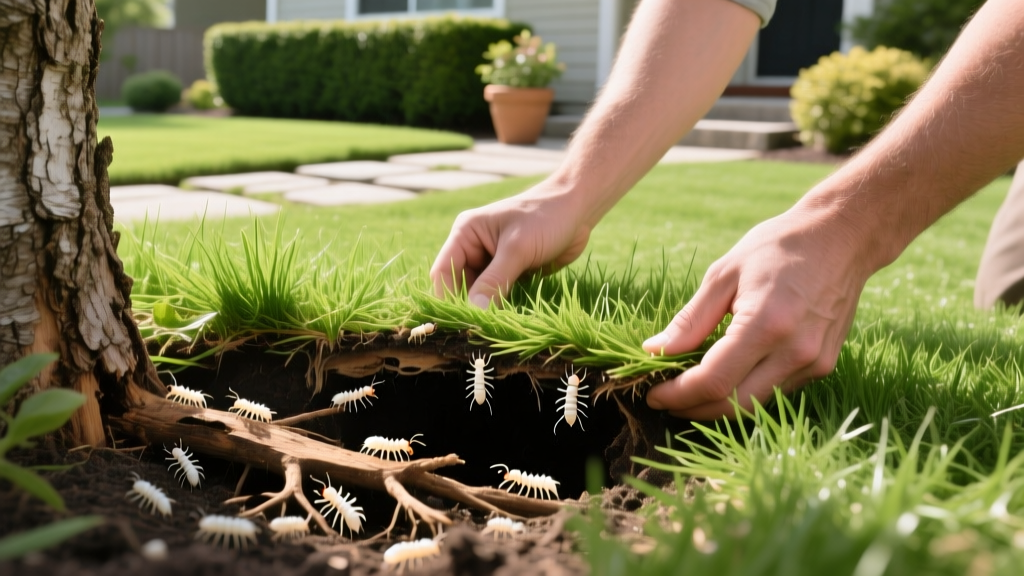
How to Get Rid of White Ants: Yard Termite Defense Guide
The "White Ant" Misconception: What You Are Actually Fighting
When homeowners search for how to get rid of white ants, they are almost always dealing with a termite infestation. True "white ants" do not exist in North America; the pale, soft-bodied insects destroying your yard structures and threatening your home foundation are subterranean or drywood termites. While they share a superficial resemblance to ants and live in similar colony structures, termites belong to the order Blattodea (making them closer relatives to cockroaches), whereas ants belong to Hymenoptera.
Misidentifying these pests can lead to ineffective treatment strategies. Ant baits rely on foraging workers carrying slow-acting poison back to the colony, but termite foraging behavior and dietary preferences require entirely different active ingredients and deployment methods. According to the University of Kentucky Entomology Department, subterranean termites cause over $2 billion in property damage annually in the United States, making accurate identification and targeted yard defense critical.
| Feature | Termites ("White Ants") | True Ants (e.g., Carpenter Ants) |
|---|---|---|
| Waist | Broad, uniform width (no pinched waist) | Narrow, pinched thorax-to-abdomen connection |
| Antennae | Straight, bead-like (moniliform) | Elbowed (bent in the middle) |
| Wings (Swarmers) | Two pairs of equal-length, translucent wings | Two pairs; front wings longer than hind wings |
| Diet | Cellulose (wood, paper, plant roots) | Proteins, sugars, and other insects |
Identifying Termite Activity in Your Yard
Before deploying treatments, you must confirm the presence of termites and locate their primary foraging zones. Subterranean termites require constant contact with soil moisture, meaning your yard's perimeter, mulch beds, and wooden outbuildings are prime targets.
- Mud Tubes: Look for pencil-sized (1/4 to 1 inch wide) tunnels made of packed soil and saliva running up your foundation, retaining walls, or fence posts. These protect termites from desiccation and predators.
- Hollowed Wood: Tap wooden landscape timbers, fence posts, or deck supports with a screwdriver. Termite-damaged wood sounds hollow and may reveal a honeycomb pattern of galleries packed with dry soil.
- Discarded Wings: In spring or early fall, reproductive termites (alates) swarm. Finding piles of translucent, equal-length wings near porch lights, window sills, or patio doors indicates a mature colony is nearby.
- Frass (Drywood Termites): If you are dealing with drywood termites (common in coastal and southern states), look for small, hexagonal, wood-colored fecal pellets accumulating beneath infested eaves or yard furniture.
Step-by-Step Yard Defense: Eradicating the Colony
Getting rid of termites in your yard requires a two-pronged approach: establishing a chemical barrier to protect your home's foundation and deploying bait systems to eliminate the source colony. The Environmental Protection Agency (EPA) emphasizes that combining non-repellent liquid termiticides with monitoring stations yields the highest long-term eradication rates.
Step 1: Trenching and Liquid Barrier Application
To protect your home from yard-based foraging, apply a non-repellent termiticide like Termidor SC (9.1% Fipronil) or Taurus SC. Unlike older repellent chemicals (like bifenthrin) that termites simply avoid, Fipronil is undetectable. Termites tunnel through the treated soil, ingest the chemical, and transfer it to the colony via trophallaxis (food sharing), ultimately collapsing the population.
- Dig the Trench: Using a trenching shovel, dig a continuous trench 6 inches deep and 6 inches wide directly against your home's foundation, extending into any attached concrete patio or slab areas.
- Mix the Solution: Mix 0.8 fluid ounces of Termidor SC per gallon of water. For a standard 150-linear-foot perimeter, you will need approximately 60 gallons of mixed solution.
- Apply the Termiticide: Pour 4 gallons of the mixed solution into the trench for every 10 linear feet of foundation. Use a watering can or a specialized soil-injection rod for even distribution.
- Backfill: Push the excavated soil back into the trench, mixing it lightly with any remaining surface solution to create a continuous treated zone.
Step 2: Deploying Termite Bait Stations
While liquid barriers protect the structure, bait stations placed in the yard intercept foraging termites before they reach the house. Systems like Trelona ATBS (using Novaluron) or Sentricon Always Active (using Noviflumuron) utilize chitin synthesis inhibitors. When termites consume the bait, they are unable to molt, leading to colony death within 60 to 90 days.
- Install bait stations every 10 to 20 feet around the perimeter of your property, focusing on areas with high moisture, near wooden fences, and adjacent to AC condenser drip lines.
- Stations must be placed flush with the soil surface. Drill through concrete patios or driveways if they abut the foundation to maintain the 10-to-20-foot spacing rule.
- Inspect stations every 30 to 60 days. If termite activity is detected, replace the monitoring wood with the active bait matrix immediately.
⚠️ CRITICAL WARNING: Do Not Mix Repellents and Baits
Never apply a repellent insecticide (such as Ortho Home Defense or Talstar P) in your yard if you are using termite bait stations. Repellents create a "no-go" zone that prevents termites from finding the bait stations, rendering your expensive baiting system completely useless. Stick exclusively to non-repellent transfer chemicals like Fipronil or Imidacloprid for perimeter sprays.
Cost Breakdown: DIY vs. Professional Termite Treatment
Deciding between DIY yard defense and hiring a licensed pest control operator depends on your budget, the severity of the infestation, and your comfort level handling restricted-use chemicals. Below is a realistic 2026 pricing breakdown for an average 2,000-square-foot home with a standard yard perimeter.
| Treatment Method | DIY Material Costs | Professional Service Costs | Long-Term Efficacy |
|---|---|---|---|
| Liquid Trenching (Fipronil) | $150 - $250 (Chemicals + tools) | $1,200 - $1,800 (Includes labor/warranty) | 8 - 10 years |
| Bait Station Systems | $400 - $700 (Stations + bait refills) | $1,500 - $2,500 + $250/yr monitoring | Ongoing (requires monitoring) |
| Wood Treatment (Bora-Care) | $80 - $120 per gallon | $800 - $1,200 (Targeted application) | Lifetime of the wood |
Preventative Landscaping for Termite Defense
Eradicating an existing colony is only half the battle. Modifying your yard's microenvironment makes it inhospitable to future termite scouts.
Mulch and Moisture Management
Mulch retains moisture and provides a hidden bridge over your liquid termiticide barrier. To maintain your defense:
- Maintain a strict 6-inch mulch-free zone between any organic ground cover and your home's siding or brick weep holes.
- Limit mulch depth to 2-3 inches. Deep mulch layers hold excessive moisture, creating ideal nesting conditions for secondary termite colonies.
- Switch to naturally termite-resistant mulches like cedar heartwood or cypress heartwood. Avoid pine bark or hardwood mulches, which termites readily consume.
Eliminating Wood-to-Soil Contact
Any wood touching the soil acts as a direct highway into your home. Replace rotting wooden fence posts with galvanized steel post anchors. If you have wooden retaining walls or landscape timbers, treat them heavily with a borate-based wood preservative like Bora-Care (mixed at a 1:1 ratio with water for active prevention), or replace them with segmental concrete retaining blocks.
Frequently Asked Questions
Can I use ant killer spray on white ants?
No. Standard ant killer sprays (like those containing pyrethroids) are contact repellents. They will kill the few termites you spray directly but will cause the rest of the colony to retreat, find a new entry point, and avoid the treated area. You must use non-repellent termiticides or chitin-inhibiting baits designed specifically for termite biology.
How long does it take to get rid of a termite colony in the yard?
Liquid non-repellent treatments like Termidor SC typically eliminate foraging termites and begin collapsing the local colony within 30 to 90 days. Baiting systems take slightly longer, usually 60 to 120 days, as the process relies on the natural molting cycle of the termite workers and the slow transfer of the active ingredient throughout the colony hierarchy.
Do white ants bite humans or pets?
Termites do not pose a direct physical threat to humans or pets. Their mandibles are designed for chewing cellulose, not skin, and they are highly unlikely to bite unless handled directly. The primary danger they pose is structural damage to your home and wooden yard fixtures, not physical harm to your family.

