
Pest Control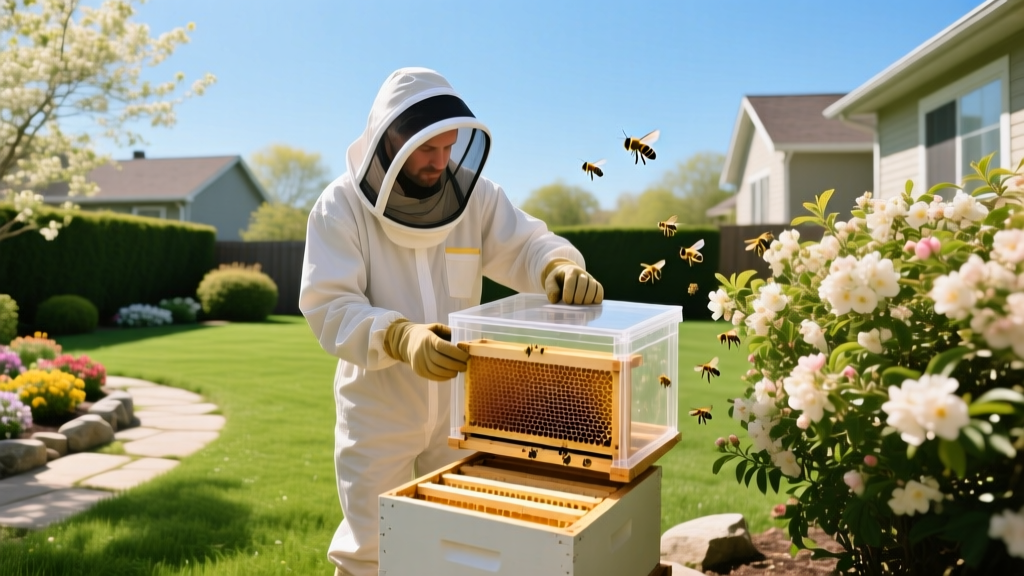
Getting Rid of Bees: Safe Yard Defense and Relocation
The Pollinator Paradox: Why Identification Dictates Treatment
When homeowners search for methods of getting rid of bees, the first step is not reaching for an insecticide—it is accurate identification. The term "bee" is frequently misapplied to aggressive wasps and yellowjackets. True bees (Apis, Xylocopa, Andrenidae) are generally docile and ecologically indispensable. Eradicating them indiscriminately violates integrated pest management (IPM) principles and, in many municipalities, local pollinator protection ordinances enforced by the Environmental Protection Agency (EPA).
Effective yard defense requires separating structural threats (carpenter bees), aesthetic nuisances (ground bees), and misidentified aggressors (yellowjackets) from beneficial honeybee swarms that require relocation, not eradication. Below is a comprehensive framework for managing these insects based on their specific biology and the damage they cause.
Identification Matrix: Bee vs. Wasp vs. Carpenter Bee
Before purchasing any treatment, verify the insect using this behavioral and morphological matrix. Misidentification leads to wasted chemicals and unnecessary ecological harm.
| Insect Type | Nest Location | Aggression Level | Required Action |
|---|---|---|---|
| Carpenter Bee (Xylocopa) | Unpainted wood, eaves, decks | Low (Males lack stingers) | Dust nests, seal wood |
| Ground Bee (Andrenidae) | Dry, sparse lawn soil | Very Low | Aerate, irrigate lawn |
| Honeybee Swarm (Apis) | Tree branches, temporary clusters | Low (Defensive only) | Call local beekeeper |
| Yellowjacket (Vespula) | Underground voids, wall gaps | High (Multiple stings) | Professional foaming agent |
Getting Rid of Carpenter Bees (Wood-Boring Defense)
Carpenter bees do not eat wood; they excavate it to create brood chambers. They prefer unpainted, weathered softwoods like cedar, pine, and redwood. The primary indicator is a perfectly round, 1/2-inch diameter hole accompanied by coarse sawdust (frass) on the ground below.
Active Nest Eradication Protocol
Liquid sprays are largely ineffective for carpenter bees because they do not coat the deep interior galleries. You must use an insecticidal dust that the bees track deep into the nest.
- Timing: Treat nests at dusk or night when the bees are inactive and inside the galleries.
- Product Selection: Use a deltamethrin-based dust (e.g., Delta Dust 0.06%) or a boric acid-based dust. These remain active in the dry interior of the wood for months.
- Application: Load a handheld bulb duster (like the JT Eaton Bulb Duster, approx. $12) with the dust. Insert the nozzle directly into the 1/2-inch hole and puff 2-3 times. Do not overfill; a light coating is sufficient.
- Sealing: Wait 48 hours to allow returning bees to contact the dust. Then, plug the hole tightly with copper mesh or steel wool, and seal it flush with exterior-grade wood putty or caulk to prevent future generations from reusing the gallery.
Preventative Wood Treatments
According to North Carolina State Extension, carpenter bees strongly prefer bare wood. Painting wood with a solid latex paint is the most effective deterrent. If you wish to maintain the natural wood grain, apply multiple coats of a thick polyurethane or marine varnish. For a natural repellent, spray a mixture of almond oil and water (3 tablespoons of essential oil per quart of water) on vulnerable fascia boards and deck railings in early spring; the benzaldehyde compound naturally deters excavation.
Managing Ground-Nesting Bees in the Lawn
Ground-nesting bees (mining bees or sweat bees) create small, 2-to-3-inch dirt mounds scattered across the lawn. Unlike social wasps, these are solitary insects. Each female digs her own short burrow to lay a single egg. They are vital early-spring pollinators and rarely sting unless stepped on barefoot.
Ecological Warning: Do not apply broadcast insecticides like Sevin or bifenthrin to lawns for ground bees. This will devastate local pollinator populations and fail to solve the underlying lawn health issue.
Cultural Habitat Modification
Ground bees nest in your yard because the conditions are ideal for them: dry, compacted soil with sparse turf coverage. To get rid of ground bees, you must make the lawn inhospitable to their nesting requirements through cultural lawn care practices:
- Core Aeration: Rent a walk-behind core aerator in early spring. Pulling 3-inch plugs breaks up the hardpan soil, making it difficult for the bees to maintain their tunnel walls.
- Deep Irrigation: Ground bees avoid wet soil. Implement a watering schedule that delivers 1 to 1.5 inches of water per week. The consistent moisture will force them to relocate to drier, unmanaged areas.
- Overseeding and Topdressing: Apply a 1/4-inch layer of compost and overseed bare patches with a dense turfgrass blend (like Tall Fescue or Kentucky Bluegrass). A thick, competitive root system physically blocks nesting sites.
The Honeybee Swarm Protocol (Relocation, Not Eradication)
If you see a football-sized cluster of bees hanging from a tree branch or fence, you are witnessing a honeybee swarm. This occurs when a colony outgrows its hive and splits. Swarms are generally highly docile because the bees are gorged on honey and have no brood or honey stores to defend.
Under no circumstances should you spray a swarm with water, insecticide, or attempt to knock it down. Instead, contact a local beekeeping association or use the Cornell University Pollinator Network directory to find a registered swarm catcher. Most apiarists will collect an accessible swarm for free, as it provides them with valuable, free genetics. If the swarm is inside a wall void or chimney, you will need to hire a professional bee removal specialist, which involves cutting into the structure to extract the comb.
Yellowjacket Misidentification: The Real Yard Threat
Homeowners often confuse yellowjackets with bees due to their yellow and black coloration. Yellowjackets are aggressive, social wasps that build paper nests in underground rodent burrows, wall voids, or under eaves. They can sting repeatedly and will aggressively defend their nest if a lawnmower or weed whacker passes nearby.
If you have confirmed the insect is a yellowjacket, use a commercial wasp trap baited with heptyl acetate (such as the Rescue! Wasp Trap) hung at the perimeter of your property in early spring to catch emerging queens. For active underground nests, professional exterminators use expanding foaming insecticides (like CB-80 or Wasp-Freeze) that fill the void and trap the colony inside, preventing them from chewing through drywall into your living spaces.
Cost Breakdown: DIY vs. Professional Pest Control
Understanding the financial commitment helps homeowners decide when to handle the problem themselves and when to call a licensed professional.
| Service / Treatment | Estimated Cost | Notes & Requirements |
|---|---|---|
| DIY Carpenter Bee Dusting | $15 - $30 | Requires bulb duster, deltamethrin dust, wood putty. |
| Lawn Aeration & Overseeding | $100 - $250 | Rental equipment cost; deters ground bees naturally. |
| Honeybee Swarm Relocation | $0 - $150 | Often free if easily accessible; structural cut-outs cost more. |
| Professional Yellowjacket Removal | $150 - $350 | Requires specialized PPE and foaming agents for safety. |
Frequently Asked Questions
Will spraying vinegar get rid of bees in my yard?
No. Vinegar is not an effective insecticide for bees. While highly concentrated acetic acid can kill soft-bodied insects on contact, it will not penetrate carpenter bee galleries or underground yellowjacket nests. Furthermore, spraying vinegar on your lawn will lower the soil pH drastically, burning your turfgrass and creating the exact sparse, stressed lawn conditions that attract ground-nesting bees.
How do I stop carpenter bees from returning to the same hole next year?
Carpenter bees possess a strong homing instinct and will return to the exact same gallery the following spring. Simply spraying the outside of the hole is insufficient. You must physically fill the gallery with steel wool and exterior wood filler, and then paint or varnish the entire board. If the wood remains bare and porous, new bees will simply excavate a new hole inches away from the old one.
Are there any plants that repel bees and wasps?
While no plant will completely eliminate a nesting colony, strong-smelling herbs like spearmint, thyme, citronella, and eucalyptus can mask the floral scents that attract foraging bees and wasps to your patio areas. Planting these in high-traffic seating zones can reduce localized hovering, but they will not stop a carpenter bee from boring into your wooden deck.

