
Pest Control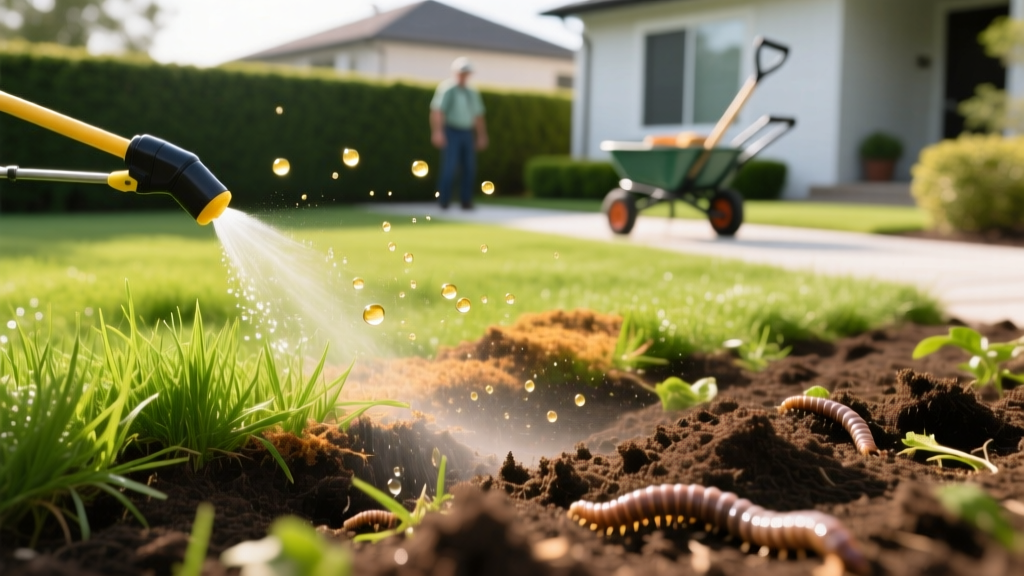
How a Glyphosate Based Herbicide Impacts Soil Nutrition
The Hidden Cost of Weed Control: Glyphosate and Soil Chemistry
When managing aggressive weeds like crabgrass, dandelions, or bindweed, a glyphosate based herbicide is often the most effective tool in a homeowner's arsenal. However, from a soil nutrition perspective, the application of this broad-spectrum systemic chemical extends far beyond the targeted weed's leaves. Glyphosate (N-(phosphonomethyl)glycine) does not simply evaporate or disappear upon contact with the soil; it interacts directly with soil cations, microbial populations, and nutrient availability. Understanding these subterranean interactions is critical for maintaining a high-performance lawn and garden ecosystem in 2026.
While the Environmental Protection Agency (EPA) notes that glyphosate binds tightly to soil particles and is eventually broken down by microbes, the intermediate phase—ranging from a few days to several months depending on soil pH and organic matter—can severely disrupt your fertilization strategy. If you are applying heavy nitrogen or micronutrient blends shortly after an herbicide treatment, you may be wasting your money.
How Glyphosate Acts as a Chelator in the Soil Profile
The primary mechanism that makes a glyphosate based herbicide disruptive to soil nutrition is its function as a strong chelating agent. Originally patented as a pipe cleaner in 1964 due to its ability to strip mineral scales, glyphosate binds to positively charged metal ions (cations) in the soil. When applied to the soil surface or translocated into the roots of dying weeds and subsequently exuded, it 'locks up' essential micronutrients, rendering them unavailable to surrounding turfgrass and ornamental plants.
Nutrient Tie-Up Matrix
The severity of chelation depends on your baseline soil chemistry. Soils with low cation exchange capacity (CEC) or sandy profiles will experience more acute nutrient deficiencies post-application than heavy clay soils. Below is a breakdown of how specific nutrients are affected and how to counteract the tie-up.
| Nutrient | Primary Plant Function | Glyphosate Interaction | Remediation Strategy |
|---|---|---|---|
| Manganese (Mn) | Photosynthesis and enzyme activation | Highly susceptible to chelation; causes interveinal chlorosis in new growth. | Apply foliar manganese sulfate (0.5 oz per gallon) to bypass soil lock-up. |
| Iron (Fe) | Chlorophyll synthesis | Moderate chelation; results in yellowing of turfgrass in high-pH soils. | Use chelated iron (Fe-EDDHA) granular applications at 3 lbs per 1,000 sq ft. |
| Zinc (Zn) | Growth hormone production and internode elongation | Binds tightly to glyphosate molecules, stunting lateral root spread. | Incorporate zinc sulfate into the soil during core aeration. |
| Calcium (Ca) | Cell wall structure and root tip development | Competes with glyphosate for soil binding sites; can reduce herbicide efficacy if present in hard water. | Delay lime (calcium carbonate) applications by at least 14 days post-spray. |
Impacts on the Soil Microbiome and Mycorrhizal Fungi
Beyond mineral chelation, a glyphosate based herbicide alters the biological engine of your soil. Glyphosate inhibits the shikimate pathway, an enzyme route used by plants, bacteria, and fungi to synthesize essential aromatic amino acids. While soil-dwelling organisms are not the primary target, the chemical exudation from dying weed roots introduces the herbicide directly into the rhizosphere.
According to soil health frameworks outlined by the USDA Natural Resources Conservation Service (NRCS), maintaining a robust microbial biomass is non-negotiable for nutrient cycling. Repeated applications of glyphosate can shift the bacterial-to-fungal ratio in the soil. Beneficial Pseudomonas and Bacillus species may temporarily decline, while opportunistic, glyphosate-tolerant pathogens like Fusarium can proliferate. Furthermore, arbuscular mycorrhizal fungi (AMF)—which act as secondary root systems to scavenge phosphorus and water—are highly sensitive to shikimate pathway inhibitors. A compromised AMF network forces your lawn to rely entirely on synthetic, water-soluble fertilizers, increasing your long-term maintenance costs.
⚠️ Replanting Warning: Never seed or lay sod immediately after a heavy glyphosate application without a soil buffer. While the chemical half-life is typically 2 to 14 days, residual root exudates can stunt delicate new seedling roots. Wait a minimum of 7 to 10 days, and apply a carbon-based buffer (detailed below) before introducing new grass seed.
Post-Herbicide Soil Remediation: A Step-by-Step Nutrition Plan
If your lawn care regimen requires the use of a glyphosate based herbicide for spot-treating severe weed infestations or preparing a seedbed, you must follow up with a targeted soil remediation protocol. This restores the cation exchange sites and repopulates the rhizosphere.
Step 1: Carbon Buffering and Chelate Displacement (Days 3-5)
Introduce soluble carbon sources to bind with residual glyphosate molecules, freeing up the locked micronutrients.
- Product Selection: Use a liquid humic and fulvic acid concentrate. Look for OMRI-listed products with a minimum 80% humic acid concentration derived from leonardite.
- Application Rate: Apply 3 to 4 ounces per 1,000 square feet, diluted in 2 gallons of water.
- Cost Expectation: High-quality liquid humic concentrates typically cost $35 to $50 per gallon in 2026, which is sufficient to treat up to 4,000 square feet multiple times.
Step 2: Microbial Inoculation (Days 7-10)
Once the chemical is buffered, repopulate the soil with beneficial biology to restart the nutrient cycling process.
- Mycorrhizal Drench: Apply a liquid endomycorrhizal inoculant containing Glomus intraradices at a rate of 1 oz per 1,000 sq ft. Water it in deeply to reach the root zone.
- Compost Tea Extract: If you prefer organic routes, brew an aerated compost tea using high-fungal compost (aged bark and leaf mold) and apply it as a foliar and soil drench at 5 gallons per 1,000 sq ft.
Step 3: Strategic Fertilizer Timing (Day 14+)
Delay heavy granular nitrogen applications (like 30-0-0 synthetic urea) until the soil biology has rebounded. When you do fertilize, opt for methylene urea or organic feather meal blends that require microbial breakdown to become plant-available. This ensures the nutrients are released in sync with the recovering microbial activity, rather than leaching away through the temporarily compromised soil structure.
Frequently Asked Questions
Can I apply liquid iron and a glyphosate based herbicide on the same day?
No. Mixing liquid iron (especially iron sulfate) in the same tank as glyphosate will cause the herbicide to chelate with the iron immediately in the tank. This 'hard water' effect neutralizes the herbicide's efficacy, meaning your weeds will survive, and your iron will precipitate out of the solution, clogging your sprayer nozzle. Always separate these applications by at least 7 days.
Does glyphosate permanently ruin soil fertility?
No. Glyphosate does not permanently sterilize soil or destroy long-term fertility. It is metabolized by soil microbes into aminomethylphosphonic acid (AMPA) and eventually broken down into carbon dioxide and inorganic phosphate. However, frequent, blanket applications without subsequent organic matter and microbial replenishment will lead to a degraded soil structure and chronic micronutrient deficiencies over multiple seasons.
How does soil pH affect glyphosate residue?
In highly alkaline soils (pH above 7.5), glyphosate binds less tightly to soil particles and remains biologically active in the soil solution for a longer period, increasing the risk of root uptake by non-target plants and prolonged micronutrient chelation. If you have high-pH soil, you must be exceptionally aggressive with your post-application humic acid buffering and microbial inoculation.

