
Pest Control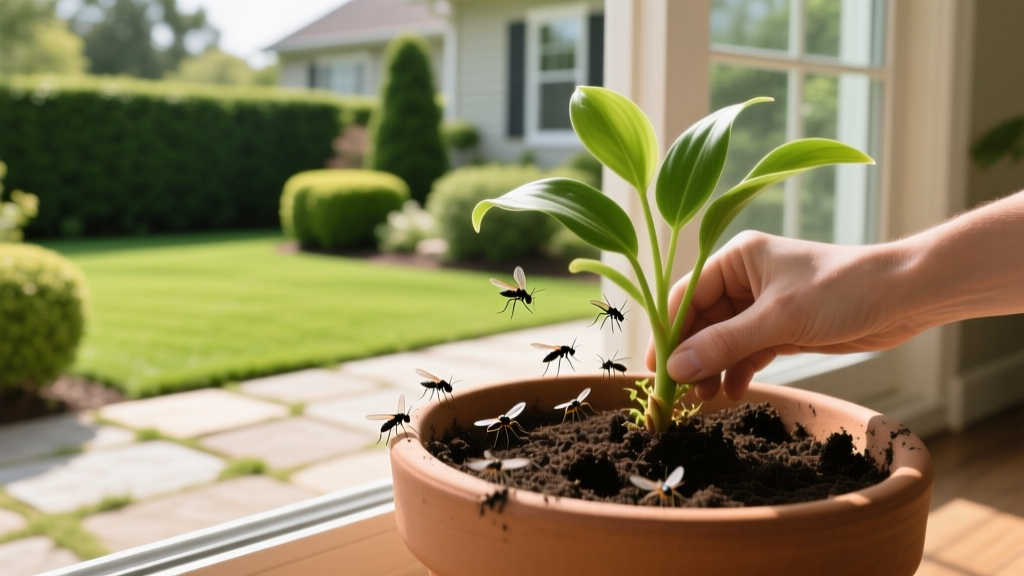
Where Do Gnats Come From in Your House? Yard-to-Home Defense Guide
The Yard-to-House Pipeline: Answering the Gnat Question
When homeowners ask, 'where do gnats come from in your house,' the answer rarely starts indoors. While a few species breed in kitchen drains or overripe fruit, the vast majority of gnat infestations originate in your yard, garden beds, or the potting soil of outdoor plants before migrating inside. Understanding this yard-to-home pipeline is the foundation of effective pest control. Gnats are weak fliers, typically traveling less than 50 feet from their breeding source. If they are swarming your living room, the breeding ground is almost certainly within your immediate exterior perimeter or attached to plants you recently brought indoors.
To eliminate them permanently, you must stop treating the symptom (the flying adults) and start treating the source (the damp organic matter in your landscape). This guide breaks down the biology of the three most common household gnats, traces their outdoor origins, and provides a precise, chemical-and-organic defense protocol to seal your home against invasion.
The Big Three: Identifying Your Indoor Invaders
Accurate identification dictates your treatment strategy. 'Gnat' is a catch-all term; misidentifying the pest will lead to wasted money on ineffective traps. Below is a diagnostic matrix to help you pinpoint the exact species breaching your home.
| Gnat Type | Appearance & Size | Primary Outdoor Origin | Indoor Breeding Zone |
|---|---|---|---|
| Fungus Gnats | 1/8 inch, dark gray/black, long legs, erratic flight | Overwatered lawns, thick mulch beds, bagged potting soil | Houseplant soil, damp window sills, leaky interior planters |
| Fruit Flies | 1/8 inch, tan/brown, distinct red eyes, hovering flight | Fallen fruit in orchards, compost piles, unsealed yard waste | Kitchen trash cans, ripening fruit bowls, recycling bins |
| Drain Flies (Moth Flies) | 1/16 inch, fuzzy wings, gray/brown, moth-like resting posture | Shallow yard drains, septic leach fields, clogged gutter downspouts | Bathroom sinks, shower drains, HVAC condensation lines |
Tracing the Source: How Yard Pests Breach Your Home
The Potted Plant Pipeline (Fungus Gnats)
Fungus gnats (Bradysia species) are the most common culprit when indoor swarms appear without a clear kitchen source. According to the UC Agriculture and Natural Resources IPM program, fungus gnat larvae thrive in the top 2-3 inches of moist, organic-rich soil. The infestation often begins when you purchase a bag of commercial potting mix that was stored outdoors at a garden center, or when you transition patio containers indoors for the winter. The adults emerge from the soil and immediately seek the humid microclimates of your home's interior.
The Mulch and Moisture Magnet
Your home's foundation landscaping is a primary breeding vector. Thick layers of cedar or pine bark mulch (exceeding 3 inches) trap moisture against the soil, creating an ideal fungal growth environment that feeds gnat larvae. When exterior populations peak in late summer or early autumn, they migrate toward the warmth and light of your home, slipping through microscopic gaps in weather stripping, weep holes in brickwork, and unscreened soffit vents.
⚠️ Expert Warning: The 50-Foot Flight Radius
Gnats are notoriously weak fliers. If you are seeing gnats in a specific room, do not assume they flew in from the far side of your yard. The breeding source is almost certainly within a 50-foot radius of that exact window or door. Focus your exterior inspection strictly on the immediate perimeter of the affected room.
Gnats are notoriously weak fliers. If you are seeing gnats in a specific room, do not assume they flew in from the far side of your yard. The breeding source is almost certainly within a 50-foot radius of that exact window or door. Focus your exterior inspection strictly on the immediate perimeter of the affected room.
Step-by-Step Yard and Perimeter Defense Protocol
Securing your yard requires disrupting the life cycle before the adults reach your doors. Implement these targeted exterior defenses:
- Deploy Bti in Landscape Beds: Bacillus thuringiensis subsp. israelensis (Bti) is a naturally occurring bacterium that specifically targets gnat and mosquito larvae without harming plants, pets, or beneficial earthworms. The Environmental Protection Agency (EPA) recognizes Bti as a highly safe, targeted biological control. Apply a product like Summit Year-Round Mosquito Bits (approx. $18 for a 30 oz. jug) directly to the soil surface of your foundation mulch beds and water it in. Reapply every 14 days during peak humidity.
- Regrade and Thin Mulch: Pull mulch back at least 12 inches from your home's foundation to create a dry, inorganic buffer zone (use crushed gravel or river rock). Thin existing mulch beds to a maximum depth of 2 inches to allow the topsoil to dry out between rain events, starving the fungal food source.
- Install 1/16-Inch Mesh Screens: Standard window screens (typically 18x16 mesh) have gaps large enough for fungus gnats and drain flies to pass through. Upgrade high-risk windows and soffit vents to 20x20 or finer 'no-see-um' mesh screens to physically block entry.
- Manage Compost and Yard Waste: Keep compost bins at least 50 feet from the house. Ensure bins are fully enclosed and avoid adding rotting fruit or excessive moisture, which triggers massive fruit fly and gnat population booms.
Indoor Eradication: Breaking the Breeding Cycle
Once the perimeter is secured, you must eliminate the adults and larvae already inside. Abandon generic aerosol bug sprays; they only kill visible adults and leave the eggs intact. Use these targeted eradication methods:
- Hydrogen Peroxide Soil Drench (Fungus Gnats): Mix 1 part standard 3% hydrogen peroxide with 4 parts water. Water your infested houseplants with this solution until it runs out the drainage holes. The peroxide kills larvae on contact through oxidation and breaks down into harmless water and oxygen. Repeat every 5 days for three cycles to catch newly hatched eggs.
- Biological Drain Gel (Drain Flies): Bleach and boiling water do not eliminate drain fly gelatinous biofilm. Use an enzymatic drain cleaner specifically formulated for biofilm, such as Invade Bio Drain Gel (approx. $25 per quart). Apply 4 ounces down affected drains at night when the sink will remain unused for 8 hours. The microbes digest the organic sludge, removing the breeding ground entirely.
- Apple Cider Vinegar Traps (Fruit Flies): In a small jar, combine 2 ounces of raw apple cider vinegar, 1 drop of liquid dish soap (to break the surface tension), and a pinch of sugar. Cover with plastic wrap and poke three 1/8-inch holes in the top. The fermentation gases attract the flies, and the broken surface tension causes them to drown immediately upon landing.
Expert Troubleshooting: Why Your Gnats Keep Coming Back
If you have treated the soil and drains but gnats persist, you are likely dealing with a hidden moisture anomaly. Conduct a secondary inspection focusing on these often-missed edge cases:
- HVAC Condensation Lines: Check the PVC drain line for your air conditioning unit. If the P-trap has dried out or the line is clogged with algae, it will breed thousands of drain flies that are pumped directly into your living space via the air handler.
- Subfloor Leaks: Fungus gnats can breed in the damp wood and degraded subflooring caused by a slow, hidden leak under a dishwasher, washing machine, or bathroom vanity. If gnats are concentrated near the floor in a specific room, use a thermal camera or moisture meter to check for hidden water intrusion.
- Overwintering Potting Soil: Never bring outdoor potted plants directly inside without a 14-day quarantine and a preemptive Bti soil drench. The warmth of your home will rapidly accelerate the pupation process, triggering a massive indoor emergence within 48 hours of crossing the threshold.

