
Pest Control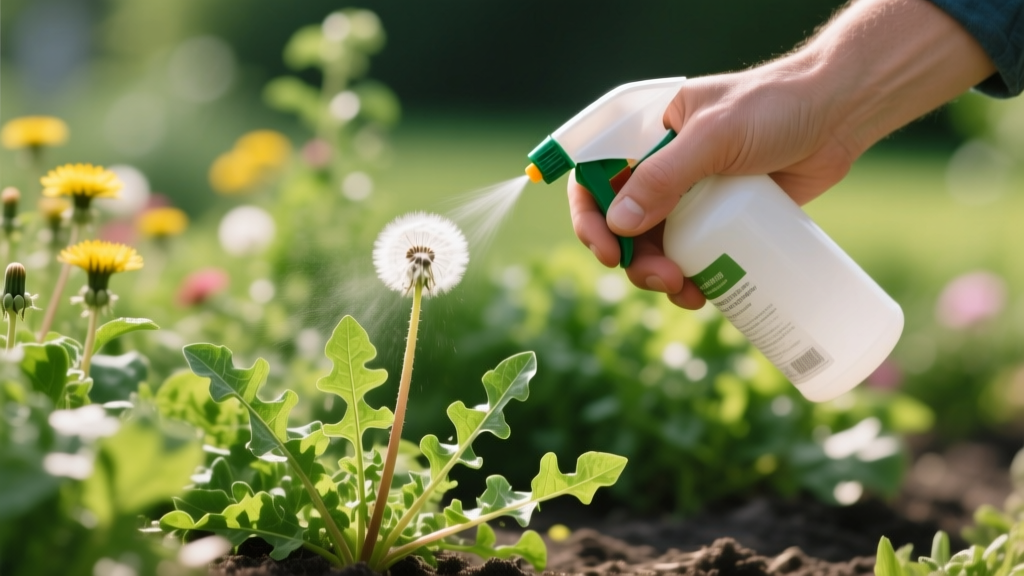
Finding a Good Weed Killer for Flower Beds: Spot-Treatment Guide
The High-Stakes Environment of Flower Beds
Managing weeds in a flower bed requires a radically different approach than treating a sprawling turfgrass lawn. In a lawn, you are dealing with a monoculture of grass; in a flower bed, you are navigating a complex ecosystem of ornamental shrubs, annuals, perennials, and diverse weed species. Applying a broadcast, non-selective herbicide in this environment will result in catastrophic damage to your expensive ornamentals. Finding a good weed killer for flower beds means prioritizing selective chemistry and precision spot-treatment over broad-spectrum spraying.
According to Clemson University Extension, the most effective weed management in landscape beds combines targeted post-emergent spot treatments with a robust pre-emergent barrier. This guide breaks down the exact chemical compounds, product models, and application protocols required to eradicate weeds without harming your prized roses, hydrangeas, or daylilies.
The Golden Rule: Monocots vs. Dicots
Before selecting a herbicide, you must understand the botanical difference between monocots and dicots. This distinction is the foundation of selective weed control in ornamental beds.
- Monocots (One seed leaf): Grasses, sedges, lilies, tulips, daylilies, orchids, and irises.
- Dicots (Two seed leaves): Broadleaf weeds (dandelions, clover) and most ornamental flowers and shrubs (roses, petunias, hydrangeas, tomatoes).
⚠️ CRITICAL WARNING: Herbicides containing fluazifop-p-butyl or sethoxydim are designed to kill monocot weeds (grasses) while leaving dicot plants unharmed. However, if you apply these grass killers near monocot ornamentals like daylilies or lilies, you will kill your flowers. Always verify the botanical classification of your ornamentals before applying selective grass herbicides.
Weed Identification and Spot-Treatment Matrix
Identifying the specific weed species dictates the active ingredient you must use. Below is a decision matrix for the most common flower bed invaders.
| Weed Category | Common Species | Active Ingredient | Recommended Product | Estimated Cost |
|---|---|---|---|---|
| Grassy Weeds | Crabgrass, Bermudagrass, Poa Annua | Fluazifop-p-butyl | Ortho Grass B Gon | $18 (8 oz) |
| Sedges | Yellow Nutsedge, Purple Nutsedge | Halosulfuron-methyl | SedgeHammer+ | $24 (5-pack) |
| Broadleaf Weeds | Dandelion, Clover, Chickweed | Glyphosate (2% Gel) | Roundup Precision Gel | $8 (2.5 oz) |
| Woody/Brushy | Blackberry seedlings, Poison Ivy | Triclopyr | BioAdvanced Brush Killer | $22 (32 oz) |
Targeting Grassy Weeds in Dicot Flower Beds
Grassy weeds like crabgrass and bermudagrass can quickly choke out annual flowers. Because most ornamental flowers are dicots, you can safely use an ACCase inhibitor herbicide like fluazifop-p-butyl. Ortho Grass B Gon is the most accessible consumer product containing this active ingredient.
Application Specifics for Fluazifop
Fluazifop is a systemic herbicide, meaning it must be absorbed through the leaves and translocated to the roots. It does not work on contact. Mix 1 ounce of concentrate per gallon of water. For enhanced efficacy and to ensure the chemical sticks to the waxy cuticle of the grass blades, add a non-ionic surfactant (like Southern Ag Surfactant) at a rate of 1 teaspoon per gallon. Expect to see yellowing of the grassy weed within 7 to 10 days, with complete necrosis taking up to 21 days. Do not mow or disturb the weed for 48 hours after application to allow maximum translocation.
Eradicating Nutsedge: The Sedge Problem
Nutsedge is notoriously difficult to control in mulched flower beds because it reproduces via underground tubers (nutlets). Pulling it by hand often snaps the stem, leaving the tubers behind to regenerate. Standard glyphosate is largely ineffective against mature nutsedge. According to UC IPM guidelines for landscape weeds, ALS-inhibitor herbicides are required for post-emergent sedge control.
SedgeHammer+ (halosulfuron-methyl) is the industry standard. It comes in water-soluble packets. You will need a 1-gallon pump sprayer. Drop one 13.3g packet into the water, agitate, and apply directly to the nutsedge foliage. SedgeHammer is safe to spray over the top of most established ornamental shrubs and flowers, but avoid spraying it directly into the whorl of newly emerging ornamental grasses.
Broadleaf Weeds and the 'Shield Method'
When dealing with broadleaf weeds (dandelions, plantain, bindweed) growing intimately close to your desirable broadleaf flowers, selective herbicides are not an option—there is no chemical that will kill a dandelion without also killing a petunia. You must use a non-selective herbicide like glyphosate, but the application method is critical to prevent drift.
The Precision Gel and Foam Brush Technique
Never use an aerosol or pump sprayer for glyphosate in a tightly packed flower bed. Wind drift and microscopic droplet bounce will cause phytotoxicity (leaf burn and stunting) to nearby ornamentals. Instead, use a 2% glyphosate gel (such as Roundup Precision Gel). Apply the gel directly to the weed's leaves using the built-in sponge tip, or use a small foam paintbrush to 'paint' the herbicide onto the weed. This guarantees zero drift and ensures the chemical only contacts the target weed.
Using Physical Shields for Liquid Sprays
If you must use a liquid glyphosate concentrate (41% active ingredient) for larger brushy weeds, utilize a physical shield. A Penn State Extension recommended practice is to use a cardboard cone or a commercial plastic spray shield attached to your wand. Lower the shield over the weed, insert the spray nozzle inside the cone, and trigger the spray. This completely eliminates off-target drift.
Step-by-Step Spot-Treatment Protocol
Follow this exact sequence to maximize weed mortality and minimize ornamental damage:
- Check the Forecast: Ensure no rain is expected for 24 hours and wind speeds are below 5 mph. Ideal temperatures are between 65°F and 85°F. Herbicides applied in temperatures above 90°F can vaporize and drift, damaging nearby plants.
- Prepare the Foliage: If the weeds are covered in dust or pollen, lightly mist them with plain water an hour before treatment. Clean foliage absorbs herbicides up to 30% more efficiently.
- Mix with Surfactant: Always add a non-ionic surfactant to your tank mix unless the product specifically states it is included (e.g., SedgeHammer+ includes it; standard Grass B Gon does not).
- Apply to the Whorl: When spraying grassy weeds or sedges, aim for the 'whorl' (the center where the newest leaves emerge). This is the most active growth point and facilitates rapid translocation to the roots.
- Clean Equipment: Triple-rinse your sprayer immediately after use. Residual glyphosate or fluazifop left in a sprayer tank can devastate your ornamentals the next time you use it to apply liquid fertilizer.
Pre-Emergent Defense: Stopping the Next Generation
Post-emergent spot treatments only solve today's problem. To prevent weeds from germinating in your flower beds next season, you must apply a pre-emergent herbicide in early spring (when soil temperatures reach 55°F) and early fall.
For flower beds, Isoxaben (sold as Gallery) is superior to standard turf pre-emergents like Prodiamine because it specifically targets broadleaf weeds, which are the primary invaders in ornamental beds. Apply at a rate of 1.5 lbs per 1,000 square feet, and water it in with 0.5 inches of irrigation immediately to activate the chemical barrier in the top inch of the mulch/soil profile.
Frequently Asked Questions
Can I use vinegar to kill weeds in my flower beds?
Horticultural vinegar (20% to 30% acetic acid) is a non-selective contact burn-down herbicide. While it will scorch the leaves of young weeds, it does not translocate to the roots. Perennial weeds will simply regrow from their root systems within two weeks. Furthermore, repeated use of high-strength vinegar drastically lowers soil pH, which can lock up essential nutrients and harm the roots of your ornamental plants. It is not recommended for long-term flower bed management.
Will mulch alone prevent weeds in flower beds?
A 2-to-3-inch layer of hardwood or pine bark mulch suppresses many annual weeds by blocking sunlight. However, it will not stop perennial weeds like nutsedge, bindweed, or bermudagrass, which can easily penetrate mulch layers. Mulch should be viewed as a moisture-retention and soil-building tool, not a standalone weed control solution. It must be paired with a pre-emergent herbicide for complete control.
How long should I wait to plant new flowers after applying a weed killer?
If you used a post-emergent glyphosate gel, you can plant new flowers immediately, as glyphosate is deactivated upon contact with soil particles. If you applied a pre-emergent like Isoxaben, you must wait at least 3 to 4 months before planting seeds, and you should only plant established transplants (plugs) by physically digging a hole through the pre-emergent barrier and placing the root ball directly into the untreated soil below.

