
Pest Control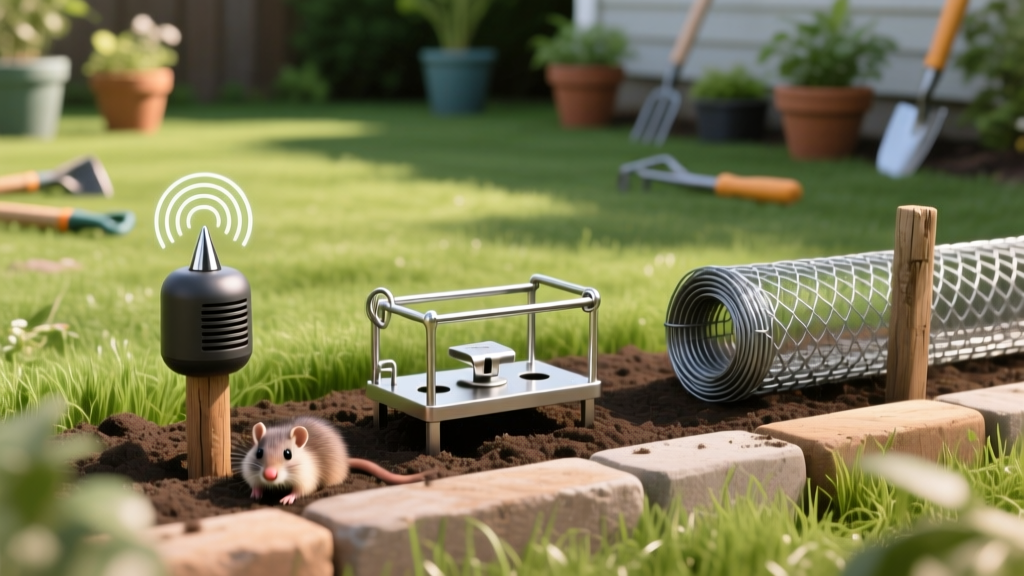
Best Gopher Deterrents: Sonic Spikes, Traps & Wire Mesh Compared
The Mechanics of Gopher Intrusion
Pocket gophers (Thomomys species) are subterranean rodents that cause severe structural damage to lawns, irrigation lines, and root systems. A single gopher can move over two tons of soil annually, creating extensive tunnel networks. To select the right gopher deterrents, you must understand their tunnel architecture. According to the University of California Statewide Integrated Pest Management Program, gophers dig shallow foraging tunnels 6 to 12 inches below the surface, but their main travel arteries sit 12 to 18 inches deep, with nesting chambers extending up to 6 feet underground. Surface mounds are crescent-shaped, with a distinct soil plug off to one side of the hole—a key identifier separating them from conical mole mounds.
The Gopher Deterrent Matrix: Efficacy and Cost Analysis
Not all deterrents perform equally across different soil types and property sizes. Below is a comparative framework to help you allocate your pest control budget effectively.
| Deterrent Category | Initial Cost (Per Acre) | Longevity | Efficacy Rating | Primary Failure Mode |
|---|---|---|---|---|
| Sonic/Ultrasonic Spikes | $150 - $250 | 1 - 2 Seasons | Low to Moderate | Habituation; poor transmission in rocky soil |
| Galvanized Wire Mesh | $1,200 - $2,500 | 10+ Years | Very High | Improper trench depth; seams left unoverlapped |
| Mechanical Traps | $30 - $60 | 5+ Years | High (Lethal) | Failing to locate the main tunnel run |
| Castor Oil Repellents | $40 - $80 | 2 - 4 Weeks | Moderate | Washes away in heavy rain; requires constant reapplication |
Sonic and Ultrasonic Gopher Deterrents
Solar-powered sonic spikes operate by emitting low-frequency sound waves (typically between 400 and 1,000 Hz) and seismic vibrations designed to mimic the presence of predators or environmental distress. Popular models like the Victor Sonic Spike (Model M9012) and Sweeney's Solar Gopher Spikes claim to cover up to 3,500 square feet per unit. In 2026, a standard 4-pack retails for $35 to $50.
Soil Density and Acoustic Transmission
The efficacy of sonic deterrents is entirely dependent on soil composition. Dense, moist clay soils transmit seismic vibrations exceptionally well, allowing the 400 Hz waves to penetrate up to 18 inches deep. However, in loose, sandy, or heavily rocky soils, the acoustic energy dissipates rapidly, reducing the effective coverage radius by up to 60%.
The Habituation Problem
The Internet Center for Wildlife Damage Management notes that rodents quickly habituate to consistent, non-threatening stimuli. Gophers will initially flee the sonic radius, but within 3 to 5 weeks, they realize the vibration poses no physical danger and often resume tunneling directly adjacent to the spikes. To mitigate this, you must stagger the activation times and physically relocate the spikes every 14 days.
Physical Barriers: Gopher Wire and Mesh Specifications
For high-value areas like vegetable gardens, orchards, or premium turfgrass installations, physical exclusion is the only permanent non-lethal gopher deterrent. Standard chicken wire is entirely ineffective; gophers can easily bite through thin, ungalvanized poultry wire or squeeze through 1-inch gaps.
Exact Material Specifications for Gopher Exclusion
- Material: 20-gauge galvanized steel or PVC-coated welded wire.
- Mesh Size: Strictly 3/4-inch or 1/2-inch hexagonal or square openings.
- Trench Depth: Bury the wire at least 24 inches deep.
- Footer Bend: Bend the bottom 6 inches of the wire outward (away from the protected area) at a 90-degree angle to prevent gophers from burrowing directly under the vertical barrier.
- Surface Clearance: Leave 2 to 3 inches of wire above the soil line to prevent surface crawling, then fold it outward so it does not create a tripping hazard.
Installing a subterranean wire basket for individual trees requires a minimum 3-foot diameter basket. As the tree's root ball expands, the galvanized steel will eventually rust and degrade (typically after 7 to 12 years), but by that time, the tree's primary taproot and structural roots will be too massive for a gopher to sever.
Mechanical Trapping: Lethal Deterrence
When population pressure is high, trapping remains the most immediate and cost-effective solution. Modern traps have evolved significantly from the traditional wooden box traps. You need to deploy traps directly inside the main lateral tunnel, not the shallow feeding branches.
Top Trap Models and Pricing
- The Gophinator (Stainless Steel): Retailing around $18 to $22, this trap features a dual-spring mechanism and a stainless steel frame that resists rust and soil corrosion. Its narrow profile fits easily into 3-inch tunnels.
- Macabee Pincer Trap: The classic brass-alloy trap ($14 to $16). It requires precise setting and is highly sensitive, making it effective but slightly more dangerous to deploy without heavy leather gloves.
- Blackhole Trap: A cylindrical, non-jawed trap ($20 to $25) that slides into the tunnel opening. It is the safest option for homeowners with pets, as the trigger mechanism is entirely enclosed within the tube.
Locating the Main Run
Use a 1/4-inch diameter fiberglass probe rod to locate the main tunnel. Push the rod into the soil 12 to 18 inches away from the flat side of the crescent mound. When the rod suddenly drops 2 to 3 inches, you have found the main artery. Dig carefully with a narrow trowel to expose a 6-inch section of the tunnel, place two traps facing opposite directions, and cover the excavation with a dark 5-gallon bucket to block out light and air drafts, which will otherwise cause the gopher to push soil and bury the trap before triggering it.
WARNING: Hazardous and Illegal Methods
Never attempt to flood gopher tunnels with a garden hose or use automobile exhaust to fumigate the burrows. Gopher tunnels are highly complex, and flooding merely ruins your topsoil structure while pushing the rodent to a higher elevation chamber. Using carbon monoxide from vehicle exhaust is illegal in most jurisdictions, highly lethal to humans and pets if the gas surfaces, and entirely ineffective due to the sheer volume of the tunnel system.
Botanical Repellents and Castor Oil Formulations
Castor oil-based deterrents rely on ricinoleic acid, which coats the gopher's food sources and irritates their digestive tract. Products like Nature's Mole & Gopher Repellent ($30 for a 32oz hose-end sprayer) must be watered deeply into the soil to reach the 12-inch tunnel depth. While castor oil can successfully "push" gophers away from a specific garden bed toward a property line, it is a temporary fix. A single heavy rainfall will dilute the ricinoleic acid concentration below the effective threshold, requiring immediate reapplication.
Frequently Asked Questions
Do gopher baskets work for existing trees?
Retrofitting a gopher basket around a mature tree is generally not recommended. Digging a 24-inch trench in a circle around an established tree will sever critical feeder roots, causing severe canopy dieback. For existing trees, rely on aggressive trapping around the dripline rather than physical mesh exclusion.
Will planting gopher spurge (Euphorbia lathyris) deter them?
Despite widespread anecdotal claims, university extension trials have repeatedly shown that planting gopher spurge, garlic, or marigolds does not provide statistically significant deterrence. Gophers will simply tunnel around the root zones of these plants to reach more desirable vegetation.
How many traps do I need for a standard suburban lawn?
A single gopher can create 10 to 20 mounds in a week. For a 5,000-square-foot lawn experiencing an active infestation, purchase a minimum of four traps (two pairs). Set them in the freshest mounds (those with moist, dark soil), and check them every 12 hours to reset or relocate as needed.

