
Pest Control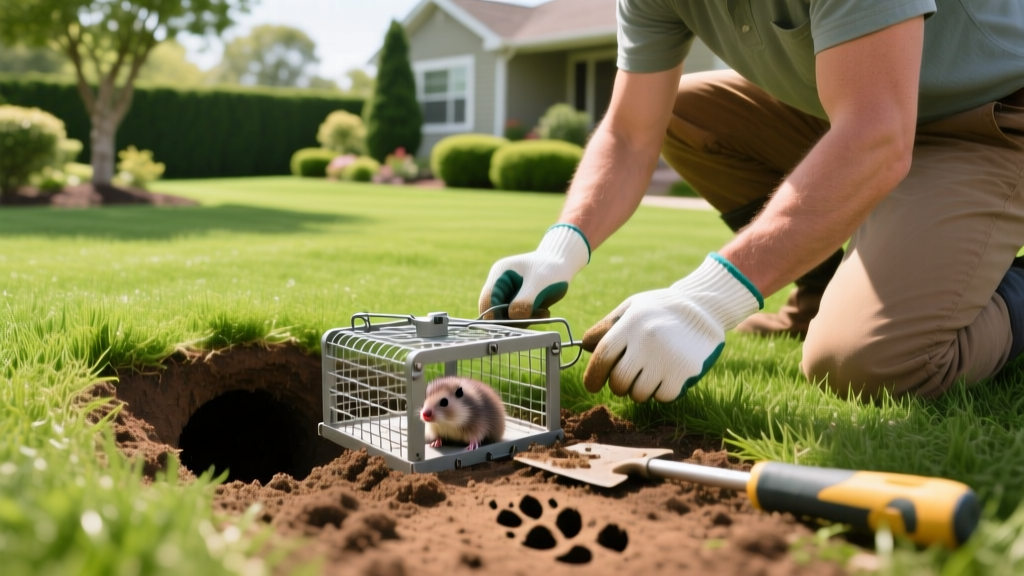
Proven Pest Control for Gophers: Traps, Baits, and Tunnel Tactics
The Subterranean Challenge: Understanding Gopher Biology
Effective pest control for gophers requires abandoning surface-level assumptions. Pocket gophers (Thomomys spp., particularly Thomomys bottae) are not surface foragers like ground squirrels; they are subterranean engineers that spend 95% of their lives underground. A single adult gopher can excavate a tunnel system spanning 2,000 square feet, with main runways located 6 to 12 inches below the soil surface and feeding laterals branching out to the root zones of your lawn and garden.
Surface mounds are merely the exhaust ports of their excavation. Treating the mound itself is a fundamental failure in gopher management. To execute a successful eradication strategy, you must target the main runway. This guide details the precise mechanical, chemical, and exclusion protocols required to eliminate gopher infestations, moving beyond ineffective home remedies to professional-grade methodologies.
Critical Safety Warning: Non-Target Wildlife
When deploying lethal pest control for gophers, secondary poisoning is a severe risk. Raptors, domestic cats, and dogs can ingest poisoned gophers or unearthed baits. Always use enclosed bait stations or deep-tunnel placement techniques, and cover all trap sets with soil or specialized exclusion boxes to prevent non-target access.
Phase 1: Precision Tunnel Probing
The most common reason DIY gopher control fails is improper tunnel location. Gophers push dirt up from lateral tunnels, creating the characteristic crescent or horseshoe-shaped mound with a distinct soil plug. The main runway does not typically have a mound directly over it; it runs parallel to the surface, connecting the lateral feeding tunnels.
The Steel Probe Method
- Select the Right Tool: Use a dedicated gopher probe or a 3/8-inch diameter steel rebar rod, approximately 36 inches long. Wooden stakes will splinter and fail in compacted clay.
- Establish Your Baseline: Locate the freshest mound (indicated by moist, dark soil). Identify the soil plug on the flat side of the crescent.
- Probe at the Correct Angle: Insert the probe 8 to 12 inches away from the plug, angling it slightly toward the center of the mound.
- Feel for the Drop: Push the probe down steadily. When the tip suddenly drops 2 to 4 inches with minimal resistance, you have intersected the main tunnel. The main run is usually 6 to 12 inches deep.
- Verify the Intercept: Pull the probe out and re-insert it a few inches to the left and right to map the width and direction of the main runway.
Phase 2: Mechanical Trapping Protocols
Trapping remains the gold standard for residential pest control for gophers, offering immediate results and eliminating the ecological risks associated with chemical baits. However, trap selection and preparation dictate your success rate.
Trap Comparison: Macabee vs. Gophinator
| Trap Model | Material | Average Cost | Best Application | Failure Mode |
|---|---|---|---|---|
| Macabee Standard | Carbon Steel | $18 - $22 | Sandy/loam soils, average-sized gophers | Jaws jam in heavy clay; requires extensive tunnel widening |
| Gophinator (Stainless) | Stainless Steel | $30 - $35 | Heavy clay, large T. bottae specimens | Higher upfront cost; heavier to carry in bulk |
| Blackhole Gopher Trap | ABS Plastic / Steel | $15 - $18 | Wet tunnels, beginners (easier to set) | Plastic housing can crack in extreme heat or rocky soil |
Setting the Trap: Step-by-Step
Once you have probed the main runway, use a specialized trowel or a bulb planter to excavate a small access hole directly down to the tunnel. Do not collapse the tunnel floor. Place two traps (one facing each direction of the tunnel) directly inside the main run. Secure each trap to a 14-gauge steel wire tied to a surface flag. Crucial step: Block all light and air from entering the excavation hole by packing loose, moist soil around the edges. Gophers are highly sensitive to drafts; if they feel air moving through the breach, they will push soil to plug the tunnel from the inside, burying your traps.
Phase 3: Chemical Baits and Fumigation
When trapping is impractical due to scale or soil conditions, chemical intervention becomes necessary. According to the University of California Integrated Pest Management program, baiting is most effective in late winter or early spring when gophers are actively foraging for roots and soil moisture is moderate.
Zinc Phosphide vs. Anticoagulants
Zinc Phosphide (e.g., Amdro Gopher Strike, 0.5% active ingredient): This is an acute toxicant. A single dose of 5 to 10 pellets placed deep into the main runway using a bait dispenser probe is usually lethal within 24 hours. Because it kills quickly, gophers do not develop bait shyness. However, it is highly toxic to birds and mammals if left on the surface.
Anticoagulants (e.g., Wilco Gopher Getter Type 2, Diphacinone): These require multiple feedings over 3 to 5 days to achieve a lethal dose. They are generally safer regarding secondary poisoning risks compared to older compounds, but they require placing a larger volume of bait and ensuring the gopher survives long enough to consume the required amount.
Expert Insight on Fumigation: Many homeowners rely on sulfur-based smoke bombs. These fail over 80% of the time in porous or sandy soils because the gas escapes through micro-fissures before reaching lethal concentrations in the nesting chambers. Aluminum phosphide tablets produce phosphine gas and are highly effective, but they are classified as Restricted Use Pesticides (RUP) and are legally unavailable to homeowners without an applicator license.
Phase 4: Exclusion and Habitat Modification
For high-value garden beds, orchards, or newly installed landscaping, physical exclusion is the only permanent pest control for gophers that guarantees zero plant loss.
- Material Specification: Use 19-gauge, 1/2-inch galvanized hardware cloth. Chicken wire is useless; gophers will easily crush and pass through the hexagonal gaps.
- Trenching Depth: Dig a trench 18 to 24 inches deep around the perimeter of the protected area.
- The L-Shaped Footer: Bend the bottom 6 inches of the hardware cloth outward at a 90-degree angle (away from the garden). When a gopher digs down and hits the mesh, it will attempt to dig deeper, hitting the horizontal footer, rather than backing up and digging under the barrier.
- Above-Ground Clearance: Leave at least 6 inches of mesh above ground to prevent surface climbing, though gophers rarely travel above ground for long distances.
Debunking Ineffective Gopher Deterrents
The market is saturated with pseudoscientific gopher deterrents. Save your money and avoid the following methods, which lack empirical backing from institutions like the Environmental Protection Agency and university extension programs:
- Ultrasonic Spikes and Vibrating Stakes: Gophers quickly habituate to low-frequency vibrations. Within 48 hours, they will tunnel directly beneath these devices.
- Castor Oil Repellents: While castor oil can temporarily alter the taste of roots, it degrades rapidly in soil and does not provide systemic or long-term protection.
- Chewing Gum and Laxatives: The urban legend that gophers will eat chewing gum and die from intestinal blockages is entirely false. Gophers are strict herbivores focused on roots and tubers; they will ignore synthetic gums.
- Planting Euphorbia or Garlic: While gophers may avoid eating the specific roots of toxic plants like Euphorbia lathyris (gopher spurge), they will simply tunnel past them to reach your more desirable lawn grasses and vegetables.
Summary: Developing Your Integrated Strategy
Successful gopher management is not a one-and-done event; it is an ongoing perimeter defense. For active infestations in established lawns, combine precision probing with stainless steel Gophinator traps. For large agricultural perimeters or orchards, utilize deep-injected Zinc Phosphide baits applied via specialized probes during the spring foraging peak. Finally, protect your highest-value landscaping investments with 1/2-inch galvanized hardware cloth featuring an L-shaped subterranean footer. By aligning your tactics with the biological realities of the pocket gopher, you can reclaim your property from these prolific subterranean excavators.

