
Pest Control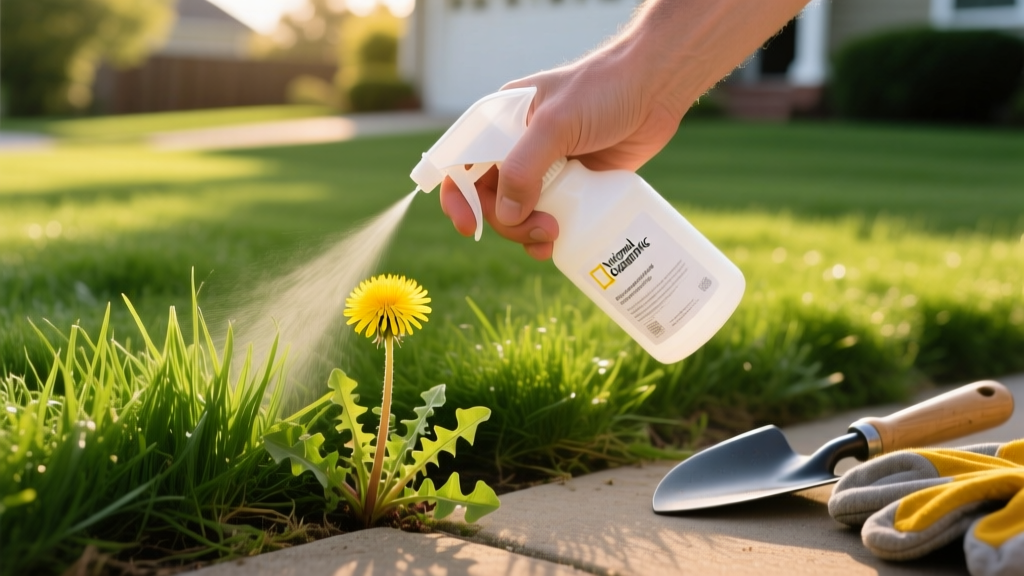
Spot-Treating Weeds: Why Grass Fertilizer and Weed Killer Combos Fail
The appeal of a combined grass fertilizer and weed killer—commonly known as a 'weed and feed'—is obvious: one application, two problems solved. However, when dealing with localized, stubborn weed species like Creeping Charlie, Yellow Nutsedge, or mature Dandelions, broadcast combination products are fundamentally flawed. Relying on these combos for spot-treatment not only wastes expensive chemicals but can actively damage your turfgrass through chemical burn or improper nutrient timing.
This guide deconstructs the chemistry conflicts inherent in combination products and provides a professional-grade, split-application framework for eradicating specific weed species while maintaining optimal soil nutrition.
The 'Weed and Feed' Illusion in Spot-Treatment
Broadcast grass fertilizer and weed killer products are designed for preventative, blanket coverage. They typically contain pre-emergent herbicides or low-dose post-emergents mixed with high-nitrogen synthetic fertilizers. When you attempt to use these products to spot-treat an active, localized infestation, you encounter three critical failure points:
- Dilution of Active Ingredients: Combination products contain lower concentrations of herbicides to prevent turf burn when applied broadly. Spot-treating a mature weed requires a concentrated, targeted dose to translocate the chemical down to the root system.
- Indiscriminate Nutrient Loading: Applying high nitrogen to a small 10x10 foot area to kill a patch of ground ivy forces the surrounding healthy grass into rapid, weak growth, making it susceptible to fungal diseases like brown patch.
- Timing Incompatibility: The optimal window for fertilizing (when turf is actively pushing roots) often conflicts with the optimal window for systemic herbicide application (when weeds are storing carbohydrates in their roots).
The Chemistry Clash: Nitrogen vs. Systemic Herbicides
Systemic post-emergent herbicides, such as 2,4-D, Triclopyr, and Halosulfuron-methyl, rely on the weed's own vascular system to pull the poison down into the taproot or rhizomes. According to Penn State Extension, broadleaf weeds must be actively growing, but not heat-stressed, for optimal translocation.
When you apply a heavy dose of nitrogen fertilizer simultaneously, you force the weed into a state of rapid, lush vegetative growth. This rapid cellular expansion dilutes the herbicide concentration within the plant's phloem. The top growth may brown and die back (giving the illusion of success), but the root system survives and resprouts within three weeks. Furthermore, the EPA warns that mixing high-salt synthetic fertilizers with ester-based herbicides can increase the volatility of the chemical, leading to vapor drift that damages nearby ornamental shrubs and garden beds.
⚠️ WARNING: The Burn Risk
Applying a granular grass fertilizer and weed killer combo to a localized dry spot, then watering it in to activate the herbicide, creates a highly concentrated salt solution in the soil. This will scorch the roots of your desirable turfgrass, leaving you with a dead, brown patch that requires reseeding.
Applying a granular grass fertilizer and weed killer combo to a localized dry spot, then watering it in to activate the herbicide, creates a highly concentrated salt solution in the soil. This will scorch the roots of your desirable turfgrass, leaving you with a dead, brown patch that requires reseeding.
Species-Specific Spot-Treatment Matrix
To effectively eradicate specific weeds without compromising your lawn's nutritional balance, you must isolate the herbicide application. Below is a professional matrix detailing the exact active ingredients, mixing rates, and surfactant requirements for the three most problematic lawn weeds.
| Weed Species | Active Ingredient | Mix Rate (per Gallon) | Surfactant Type | Est. Product Cost |
|---|---|---|---|---|
| Creeping Charlie (Ground Ivy) | Triclopyr + Fluoroxypy | 1.5 fl oz | Non-Ionic (NIS) | $45 / gal (Concentrate) |
| Yellow Nutsedge | Halosulfuron-methyl | 1.3 grams | Non-Ionic (NIS) | $28 / 13.5g pouch |
| Mature Dandelion | 2,4-D + MCPP + Dicamba | 2.0 fl oz | None required | $35 / gal (Trimec) |
| Crabgrass (Post-emergent) | Quinclorac | 1.5 tbsp | Methylated Seed Oil | $60 / 2.5 lbs |
For comprehensive regional weed identification and localized herbicide efficacy data, turf managers frequently consult the Texas A&M Agrilife Extension weed control databases, which provide updated resistance profiles for stubborn biotypes.
The Pro Split-Application Framework
To maintain a lush lawn while executing surgical strikes on weeds, professional turf managers use a split-application protocol. This separates the grass fertilizer and weed killer applications by a specific buffer window, ensuring maximum efficacy for both.
Step 1: Isolate and Spot-Treat (Day 1)
Mow your lawn slightly shorter than usual (e.g., drop from 3.5 inches to 2.5 inches) to expose the weed foliage. Mix your targeted liquid herbicide in a dedicated 1-gallon or 2-gallon pump sprayer. Add the required surfactant to break the surface tension of the weed's waxy cuticle. Spray the weed until the leaves are visibly wet, but not dripping. Do not apply any fertilizer on this day.
Step 2: The 14-Day Fertilizer Buffer (Day 15)
Wait exactly 14 days. During this window, the systemic herbicide is translocating through the weed's phloem, destroying the root system. Applying nitrogen during this window would interfere with this process. On Day 15, once the weed has completely yellowed and collapsed, apply your granular grass fertilizer. Opt for a slow-release nitrogen source, such as methylene urea or a natural option like Milorganite (5-2-0), applied at a rate of 1 lb of actual nitrogen per 1,000 square feet. Water the fertilizer in immediately to push it into the root zone.
Surfactant Secrets for Stubborn Broadleaves
The most common reason DIY spot-treatments fail is the omission of a surfactant. Many commercial grass fertilizer and weed killer combos include cheap, integrated wetting agents that degrade quickly on the shelf. When mixing your own spot-treatment liquids, you must match the surfactant to the weed biology:
- Non-Ionic Surfactant (NIS): Required for most broadleaf weeds (Dandelion, Clover, Creeping Charlie). NIS reduces the surface tension of the water droplet, allowing it to spread flat across the broad leaf surface rather than beading up and rolling off. Use at a rate of 0.25% v/v (roughly 1 teaspoon per gallon).
- Methylated Seed Oil (MSO): Required for grassy weeds and sedges (Crabgrass, Nutsedge, Goosegrass). These weeds have heavily siliconized, upright leaves. MSO penetrates the waxy cuticle and keeps the herbicide active even if rain occurs two hours later. Use at a rate of 1% v/v (2.5 tablespoons per gallon).
"Skipping the surfactant when spot-treating Nutsedge is like trying to wash a greasy pan with cold water. The Halosulfuron-methyl will simply sit on the leaf, evaporate, and leave the nutlets underground completely unharmed."
Frequently Asked Questions
Can I use a liquid grass fertilizer and weed killer combo from a hose-end sprayer for spot treatment?
No. Hose-end sprayers lack the precision required for spot-treatment. They broadcast the mixture over a wide area, leading to chemical waste and potential turf burn from the concentrated liquid fertilizer salts.
How soon after spot-treating weeds can I overseed my lawn?
Most post-emergent broadleaf herbicides require a 3 to 4 week waiting period before overseeding. Check the specific product label, as chemicals like Quinclorac (used for crabgrass) can persist in the soil and inhibit grass seed germination for up to 12 weeks.
Is it cheaper to buy separate fertilizer and weed killer products?
Yes, significantly. A $40 gallon of concentrated Trimec broadleaf herbicide will treat over 40,000 square feet when mixed at spot-treatment rates. A single bag of broadcast 'weed and feed' costs $35 and only covers 5,000 square feet, making the split-application method roughly 80% more cost-effective over a single season.

