
Pest Control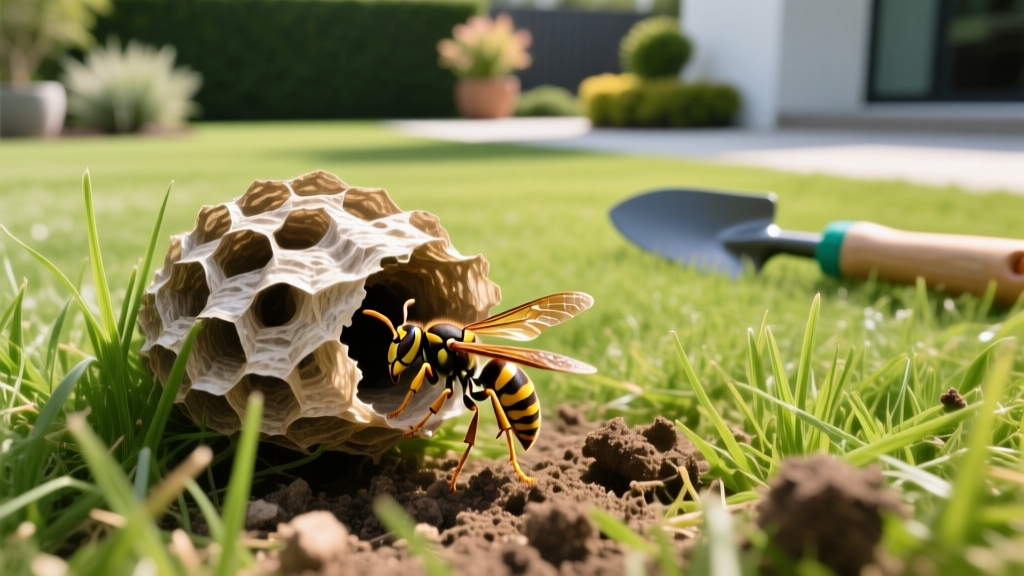
Ground Hornet Control: Identify, Treat, and Prevent Yard Nests
The term 'ground hornet' is one of the most common misnomers in residential pest control. True hornets, such as the European hornet (Vespa crabro), build large, papery nests in trees, shrubs, or structural eaves. When homeowners spot aggressive, stinging insects entering and exiting holes in the lawn, they are almost always dealing with ground-nesting yellowjackets or, in the case of larger, solitary insects, cicada killer wasps. Misidentifying the insect leads to ineffective treatments, wasted money on the wrong chemical formulations, and a high risk of multiple stings.
Effective yard defense requires accurate identification, an understanding of the insect's subterranean nest architecture, and the application of specific dust or micro-encapsulated liquid insecticides. This guide provides a precise, professional-grade protocol for managing ground-nesting stinging insects in residential landscapes.
The Taxonomy Trap: What Is Actually in Your Yard?
Before purchasing any pest control products, you must determine which species has colonized your soil. The treatment protocol for a solitary cicada killer is vastly different from the eradication strategy required for a colony of 5,000 ground-nesting yellowjackets. According to entomologists at the University of Florida IFAS, understanding the behavioral differences is the first step in safe pest management.
| Species | Visual Identification | Nest Architecture | Aggression Level | Ecological Role |
|---|---|---|---|---|
| Ground-Nesting Yellowjackets (Vespula spp.) | 1/2 to 3/4 inch, bright yellow and black bands, distinct 'pinched' waist. | Hidden subterranean cavities (often old rodent burrows) with thousands of workers. Single 1-2 inch entrance hole. | Extreme. Highly defensive. Will swarm and sting repeatedly if the nest is vibrated or threatened. | Predatory. Excellent for controlling caterpillar and fly populations in gardens. |
| Cicada Killer Wasps (Sphecius speciosus) | 1.5 to 2 inches, large black and yellow body, reddish-orange wings. | Solitary burrows in dry, sandy soil. Each female digs her own 6-10 inch tunnel ending in brood cells. | Low. Females rarely sting unless physically handled. Males cannot sting but will aggressively hover and 'bluff' intruders. | Specialized predator of cicadas. Generally considered beneficial. |
| Digger Bees (Anthophila spp.) | Varies, often fuzzy, ranging from metallic green to dark brown/black. | Small, individual mounds of soil (1-2 inches wide) scattered across bare lawn patches. Often appear in large aggregations. | Negligible. Males swarm but cannot sting. Females have stingers but are docile and rarely defend the nest. | Vital native pollinators for spring-blooming flora. |
Assessing the Threat: When to Treat vs. When to Tolerate
Not every hole in the yard requires chemical intervention. As noted by the University of Minnesota Extension, yellowjackets are annual colony insects; the entire colony dies off with the first hard frost, and the abandoned underground cavity will naturally collapse over winter. If a yellowjacket nest is located in the back corner of a large property away from high-traffic zones, the most ecologically sound and cost-effective strategy is to mark the area with a flag and avoid it until November.
Critical Warning: High-Risk Nest Locations
Immediate eradication is mandatory if the nest is located within 15 feet of a doorway, playground, patio, or if any household member has a documented anaphylactic allergy to insect venom. Ground yellowjackets can detect vibrations from lawnmowers or children running from up to 15 feet away and will dispatch guard swarms in seconds.
Step-by-Step Eradication Protocol for Aggressive Ground Nests
If treatment is necessary, abandon the aerosol 'wasp and hornet' sprays sold at hardware stores. These liquid jets are designed for aerial nests. When sprayed into a ground hole, the liquid absorbs into the topsoil before reaching the deep, multi-chambered carton nest, leaving the core colony untouched and highly agitated. Instead, use a desiccant or micro-encapsulated insecticidal dust.
Required Materials and Budget
- Protective Gear: Bee veil ($15-$25), thick leather gauntlet gloves, and loose-fitting clothing. Stingers cannot penetrate thick leather or multiple layers of denim.
- Application Tool: Bulb duster or bellows hand duster ($10-$15). This ensures the dust puffs deep into the tunnel rather than clumping at the entrance.
- Insecticide: Bayer Delta Dust or Drione Dust. Delta Dust is waterproof, making it the superior choice for ground applications where soil moisture or morning dew is present. Expect to pay approximately $28 for an 8oz shaker bottle in 2026.
The Application Sequence
- Time the Attack: Only treat between 9:00 PM and midnight, or just before sunrise. At night, all foraging workers are inside the nest, and their metabolism and aggression levels are lowest due to cooler temperatures.
- Locate the Entrance: During the day, observe the flight path from a safe distance (at least 20 feet) and mark the exact entrance hole with a small stone or stick. Do not approach the hole closely during daylight.
- Prepare the Duster: Fill your hand duster only 1/3 full with Delta Dust. This allows air space to create a fine, expansive cloud rather than a heavy clump.
- Inject the Dust: Approach the nest at night using a red-light flashlight (yellowjackets cannot see red light well). Insert the duster nozzle 1 to 2 inches into the hole and puff 3 to 4 times. The goal is to coat the tunnel walls; foraging wasps will walk through the dust and carry it deep into the central nest chambers, spreading it via trophallaxis and physical contact.
- Do Not Cap the Hole: Leave the entrance open. If you plug it with dirt or a rock, the trapped wasps will simply dig a secondary exit, potentially breaching the surface closer to your patio or walkway.
Post-Treatment Lawn Recovery and Nest Prevention
Ground-nesting insects are opportunistic. They specifically seek out dry, sparsely vegetated, and compacted soils, particularly sandy loams. Once the nest is dead (usually 48 to 72 hours post-treatment), you must alter the micro-environment to prevent future colonization.
According to the Environmental Protection Agency's guidelines on safe pest control, integrating cultural lawn care practices is the most sustainable long-term defense. Yellowjackets and digger bees avoid areas with dense turf canopies and high soil moisture.
- Overseed Bare Patches: Apply a heavy layer of topsoil and overseed with a dense, aggressive grass cultivar like Kentucky Bluegrass or Turf-type Tall Fescue. A thick root mat physically blocks excavation.
- Adjust Irrigation: Ground nesters despise wet soil. Increase your irrigation frequency in known problem zones. Maintaining soil moisture at 30-40% in the top 4 inches makes the soil structurally unstable for tunneling.
- Core Aeration: Compacted soil encourages surface runoff and dry subsurface pockets. Annual core aeration improves water penetration, eliminating the dry, aerated pockets that yellowjackets prefer for building their cartons.
Common DIY Failures and Edge Cases
Homeowners frequently resort to internet 'hacks' that are not only ineffective but actively dangerous. Avoid these common mistakes:
- The Boiling Water Myth: Pouring boiling water into a nest entrance rarely works. The water cools rapidly and absorbs into the topsoil long before it reaches the nest chamber, which can be 12 to 18 inches deep and offset horizontally from the entrance. You will only anger the colony.
- Garden Hose Flooding: Attempting to drown the nest with a hose fails because subterranean nests have multiple ventilation shafts and drainage pockets. The water will simply flood your lawn while the wasps escape through secondary exits.
- Gasoline or Bleach: Pouring motor oil, gasoline, or bleach into the ground is illegal, highly toxic to the local water table, and will permanently sterilize the soil, preventing any grass from growing in that spot for years.
- Daytime Soil Tilling: Never attempt to dig up or rototill over an active ground nest. This releases thousands of aggressive workers simultaneously and is a primary cause of severe envenomation incidents requiring emergency medical care.
By correctly identifying the species, utilizing a waterproof insecticidal dust applied at the correct time of day, and modifying your lawn's cultural conditions, you can safely reclaim your yard from ground-nesting stinging insects without relying on ineffective aerosols or dangerous DIY myths.

