
Pest Control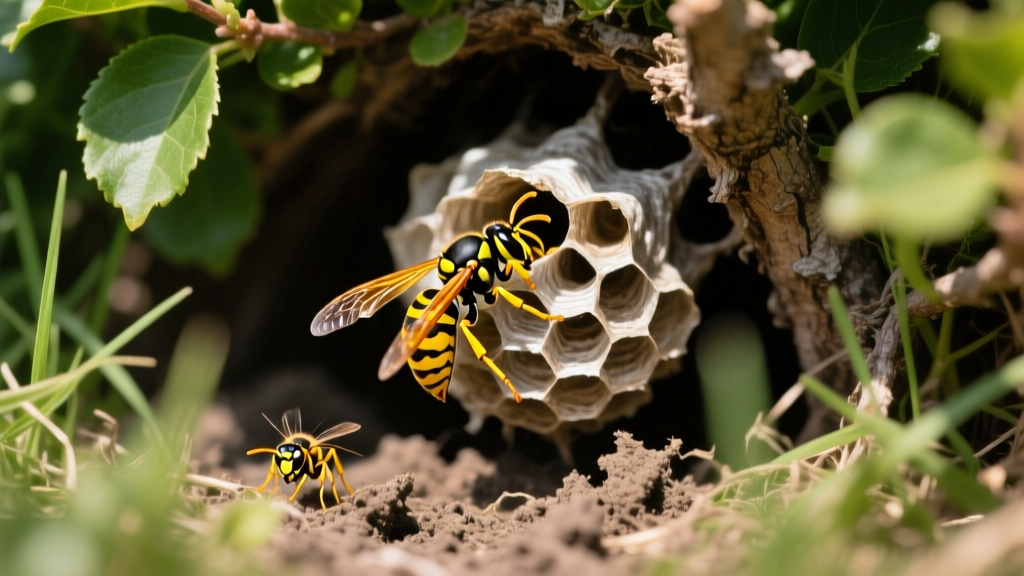
Diagnosing Nests and Exterminating Yellow Jackets Safely
The Yellow Jacket Threat: Why Misdiagnosis Fails
Yellow jackets (Vespula and Dolichovespula species) are not passive pollinators; they are highly defensive, predatory wasps capable of delivering multiple, venomous stings. Unlike honeybees, a single yellow jacket worker can sting repeatedly without dying. When homeowners attempt to eliminate these pests without first diagnosing the nest type and colony size, the result is often a provoked swarm, incomplete eradication, and a heightened risk of anaphylaxis. According to the United States Environmental Protection Agency, stinging insects send over 500,000 people to emergency rooms annually, with yellow jackets and hornets accounting for a significant portion of severe reactions.
⚠️ CRITICAL SAFETY WARNING: If you have a known allergy to Hymenoptera venom, do not attempt DIY extermination. Hire a licensed pest control operator equipped with epinephrine and professional-grade protective suits. Even for non-allergic individuals, always keep a wasp-sting first aid kit and an escape route planned before approaching any nest.
Symptom Diagnosis: Locating the Hidden Colony
Before purchasing any insecticide, you must identify where the colony is headquartered and how they are accessing the environment. Yellow jackets build three primary nest types: subterranean (ground), aerial (shrubs/trees), and structural (wall voids/soffits). Misidentifying a foraging trail as a ground nest will lead to wasted chemicals and unresolved infestations.
Aerial vs. Ground Nest Indicators
Ground nests are the most common and the most frequently misdiagnosed. Homeowners often mistake a small, bare patch of soil for a rodent burrow or a harmless sweat bee hole. Penn State Extension notes that late-summer colonies can house upwards of 4,000 workers, meaning a single ground hole can produce a massive, aggressive cloud if disturbed by a lawnmower or string trimmer.
| Observed Symptom | Diagnosed Nest Type | Urgency & Rescue Strategy |
|---|---|---|
| Steady stream of wasps entering/exiting a single dime-sized hole in the lawn. | Subterranean (Ground) Nest | High. Requires dust or liquid drench at dusk. |
| Aggressive swarm guarding the edge of roof soffits, eaves, or porch overhangs. | Structural / Aerial Nest | Critical. Requires long-range aerosol jet or professional dusting. |
| High wasp traffic around trash cans or fallen fruit, but no visible nest entrance. | Foraging Trail (Nest is off-property) | Low. Use bait traps; do not spray the area. |
| Faint buzzing sound inside a wall; wasps emerging from electrical outlets or baseboards. | Wall Void Nest | Extreme. Requires insecticidal dust. Never use liquids or seal the hole prematurely. |
Rescue Fixes: Immediate Protocols for Exterminating Yellow Jackets
Once the nest is diagnosed, timing and chemical selection dictate your success. Yellow jackets are most docile and entirely present inside the nest during the late evening or pre-dawn hours when ambient temperatures drop below 65°F (18°C). Use a flashlight fitted with a red cellophane filter; yellow jackets cannot perceive red light well, preventing them from swarming the beam.
Protocol A: Ground Nest Drenching (Dust & Liquid)
For subterranean nests, insecticidal dust is vastly superior to liquid sprays. Liquids often fail to penetrate the complex, multi-chambered soil architecture of a mature colony, whereas dust clings to the wasps' bodies and is carried deep into the nursery chambers.
- Preparation: Fill a handheld bulb duster (e.g., JT Eaton Bellow Hand Duster, ~$12) halfway with a waterproof insecticidal dust like Delta Dust (0.06% deltamethrin, ~$28 per lb).
- Application: Approach the nest entrance at dusk. Insert the duster nozzle near the hole and apply 3 to 4 gentle 'puffs'. Do not jam the nozzle into the hole, as this can trigger a defensive surge.
- Retreat: Leave the area immediately. The foragers returning to the nest will track the deltamethrin inside, collapsing the colony within 48 to 72 hours.
Protocol B: Aerial Nest Knockdown
Aerial nests require a rapid-knockdown aerosol that shoots a concentrated jet stream from a safe distance. Products containing tetramethrin and prallethrin (e.g., Spectracide Wasp & Hornet Killer, ~$8 per can) can project up to 20 feet.
- Aim directly at the nest opening (usually at the bottom of the paper envelope), not the center of the mass.
- Spray continuously for 5 to 8 seconds to flood the entryway.
- Do not knock the nest down immediately. Leave it for 24 hours to allow returning foragers to contact the residual toxin.
Active Ingredient Comparison Matrix
| Product Type | Active Ingredient | Best Application | Knockdown Time |
|---|---|---|---|
| Insecticidal Dust (Delta Dust) | Deltamethrin 0.06% | Ground nests, wall voids | 48 - 72 hours (colony collapse) |
| Liquid Concentrate (Tempo SC Ultra) | Cyfluthrin 11.8% | Perimeter barrier, soil drench | 15 - 30 minutes |
| Aerosol Jet (Spectracide/Raid) | Tetramethrin / Prallethrin | Aerial nests, hanging eaves | Instant (contact kill) |
Edge Cases: Structural and Wall-Void Nests
The most dangerous and frequently mismanaged scenario is a yellow jacket colony nesting inside a structural wall void. Homeowners often make two catastrophic errors here: spraying liquid insecticide into the wall, or immediately caulking the entry hole.
"Sealing a wall-void nest before the colony is dead is a guaranteed recipe for a home invasion. Yellow jackets will simply chew through the interior drywall to find light and air, releasing thousands of angry workers directly into your living space."
The Rescue Fix: Use a bulb duster to puff deltamethrin dust into the exterior entry hole. The dust will coat the interior framing and be tracked throughout the void. Wait a full 5 to 7 days. Once you observe zero traffic at the entry point for three consecutive days, seal the exterior crack with expanding polyurethane foam or silicone caulk to prevent future overwintering queens from claiming the void.
Post-Extermination Site Remediation
Exterminating yellow jackets is only the first phase of integrated pest management. To prevent future colonies from exploiting the same territory, execute the following remediation checklist:
- Fill Ground Cavities: Once a ground nest is confirmed dead (no activity for 72 hours), fill the hole with topsoil and tamp it down. Empty subterranean cavities attract new queens in the spring.
- Remove Aerial Debris: Scrape down the remnants of paper nests from eaves and soffits using a paint scraper. Wash the wood with a 1:10 bleach-to-water solution to destroy lingering pheromone markers that attract new scouts.
- Manage Foraging Attractants: In late summer, yellow jackets shift from hunting protein (insects) to scavenging carbohydrates. Ensure trash cans have tight-fitting lids, clean recycling bins of soda residue, and promptly pick up fallen orchard fruit.
- Deploy Preventative Traps: In early spring (April/May), hang commercial rescue traps baited with heptyl butyrate around the property perimeter. This specific pheromone targets overwintering queens before they can establish new colonies, drastically reducing late-summer populations.

